
About This Book
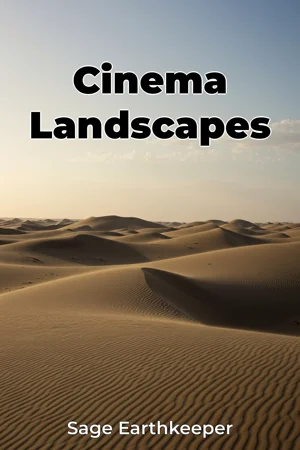
How does the Earth itself become a character in the stories we tell on screen? "Cinema Landscapes" explores this question by investigating the profound geographical impacts on film settings, demonstrating how location is far more than just a backdrop. It delves into the ways in which Earth's diverse environments—from sprawling deserts to bustling urban centers—shape the narrative, influence character development, and contribute to the overall cinematic experience. This book is important because it unpacks the often-overlooked role of geography in filmmaking, revealing deeper connections between the environment, storytelling, and audience perception. "Cinema Landscapes" offers a detailed analysis of the geographical elements present within films and television, connecting film studies with earth sciences and geography. It examines the impact of cinematic portrayals of specific locations, considering the social, economic, and environmental consequences that these portrayals can engender. The central argument is that the relationship between film and geography is symbiotic: films depict and interpret landscapes, while landscapes, in turn, influence the creative process and reception of films. Understanding this relationship is crucial for both film scholars and those interested in how media shapes our understanding of the world. The book begins by establishing the theoretical framework for analyzing "cinema landscapes," introducing key concepts such as place, space, and representation. It then proceeds to explore these concepts through a series of case studies, drawn from a wide range of notable productions and location archives. Major themes include: (1) the use of landscapes to create atmosphere and mood, analyzing how directors leverage natural and built environments to evoke specific emotional responses; (2) the role of geography in shaping character identities and narratives, showing how characters' interactions with their surroundings reveal their personalities, motivations, and conflicts; and (3) the environmental and social impacts of film production on locations, assessing issues such as tourism, conservation, and cultural representation. These elements build toward a culminating argument about the ethical responsibilities filmmakers hold towards both the environments and communities they portray. Evidence is drawn from a variety of sources, including film analysis, location scouting reports, production design materials, interviews with filmmakers and location managers, and geographical data. The book integrates film theory with geographical concepts, offering an interdisciplinary perspective that enriches both fields. Connections are drawn to environmental studies through the discussion of ecological impacts, to sociology through the analysis of cultural representations, and to economics through considering the impact of film-induced tourism. This approach sets the book apart by offering a holistic view of the interplay between cinema and landscapes. The tone of "Cinema Landscapes" is academic yet accessible, appealing to both scholars and film enthusiasts. The writing style balances detailed analysis with engaging storytelling, making complex concepts understandable to a broad audience. The target audience includes film students, geography students, media scholars, environmentalists, and anyone with an interest in the relationship between film and the environment. The scope of the book is broad, covering a variety of geographical settings and film genres. However, it deliberately focuses on productions with demonstrable impacts on their filmed locations, allowing for in-depth analysis of specific case studies. The information presented can be applied in various ways, from understanding the environmental footprint of the film industry to appreciating the artistic choices made in creating cinematic worlds. The book engages with ongoing debates about authenticity in film representation and the ethics of location filming. It aims to provide a nuanced perspective on these issues, acknowledging the complexities of representing real-world locations on screen. "Cinema Landscapes" seeks to foster a deeper understanding of cinema's geographical dimensions, making it the definitive text for those seeking to explore the Earth as a powerful storyteller.
How does the Earth itself become a character in the stories we tell on screen? "Cinema Landscapes" explores this question by investigating the profound geographical impacts on film settings, demonstrating how location is far more than just a backdrop. It delves into the ways in which Earth's diverse environments—from sprawling deserts to bustling urban centers—shape the narrative, influence character development, and contribute to the overall cinematic experience. This book is important because it unpacks the often-overlooked role of geography in filmmaking, revealing deeper connections between the environment, storytelling, and audience perception. "Cinema Landscapes" offers a detailed analysis of the geographical elements present within films and television, connecting film studies with earth sciences and geography. It examines the impact of cinematic portrayals of specific locations, considering the social, economic, and environmental consequences that these portrayals can engender. The central argument is that the relationship between film and geography is symbiotic: films depict and interpret landscapes, while landscapes, in turn, influence the creative process and reception of films. Understanding this relationship is crucial for both film scholars and those interested in how media shapes our understanding of the world. The book begins by establishing the theoretical framework for analyzing "cinema landscapes," introducing key concepts such as place, space, and representation. It then proceeds to explore these concepts through a series of case studies, drawn from a wide range of notable productions and location archives. Major themes include: (1) the use of landscapes to create atmosphere and mood, analyzing how directors leverage natural and built environments to evoke specific emotional responses; (2) the role of geography in shaping character identities and narratives, showing how characters' interactions with their surroundings reveal their personalities, motivations, and conflicts; and (3) the environmental and social impacts of film production on locations, assessing issues such as tourism, conservation, and cultural representation. These elements build toward a culminating argument about the ethical responsibilities filmmakers hold towards both the environments and communities they portray. Evidence is drawn from a variety of sources, including film analysis, location scouting reports, production design materials, interviews with filmmakers and location managers, and geographical data. The book integrates film theory with geographical concepts, offering an interdisciplinary perspective that enriches both fields. Connections are drawn to environmental studies through the discussion of ecological impacts, to sociology through the analysis of cultural representations, and to economics through considering the impact of film-induced tourism. This approach sets the book apart by offering a holistic view of the interplay between cinema and landscapes. The tone of "Cinema Landscapes" is academic yet accessible, appealing to both scholars and film enthusiasts. The writing style balances detailed analysis with engaging storytelling, making complex concepts understandable to a broad audience. The target audience includes film students, geography students, media scholars, environmentalists, and anyone with an interest in the relationship between film and the environment. The scope of the book is broad, covering a variety of geographical settings and film genres. However, it deliberately focuses on productions with demonstrable impacts on their filmed locations, allowing for in-depth analysis of specific case studies. The information presented can be applied in various ways, from understanding the environmental footprint of the film industry to appreciating the artistic choices made in creating cinematic worlds. The book engages with ongoing debates about authenticity in film representation and the ethics of location filming. It aims to provide a nuanced perspective on these issues, acknowledging the complexities of representing real-world locations on screen. "Cinema Landscapes" seeks to foster a deeper understanding of cinema's geographical dimensions, making it the definitive text for those seeking to explore the Earth as a powerful storyteller.
"Cinema Landscapes" investigates how Earth's diverse environments become integral characters in film and television, influencing narrative and audience perception. It highlights the symbiotic relationship between film and geography, where landscapes shape creative processes and films interpret these locations. The book uniquely connects film studies with earth sciences and geography, revealing how cinematic portrayals impact specific locations, socially, economically, and environmentally. The book initiates with a theoretical framework for analyzing cinema landscapes, introducing concepts like place and representation. It then explores these ideas through case studies that analyze how landscapes create atmosphere and shape character identities. Examining the environmental and social impacts of film production, the study emphasizes the ethical responsibilities filmmakers hold toward the portrayed environments and communities.
Book Details
ISBN
9788233973896
Publisher
Publifye AS
Your Licenses
You don't own any licenses for this book
Purchase a license below to unlock this book and download the EPUB.
Purchase License
Select a tier to unlock this book
Need bulk licensing?
Contact us for enterprise agreements.