
About This Book
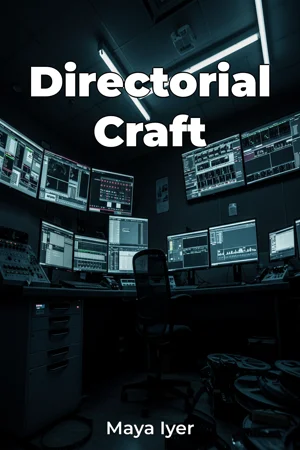
What separates a competent film from a cinematic masterpiece? *Directorial Craft* delves into the intricate and multifaceted world of film direction, exploring the techniques, stylistic choices, and collaborative processes that define a director’s vision. This book examines not just the "how" of filmmaking, but also the "why," providing a comprehensive understanding of the artistic and technical decisions that shape the final product. Two central pillars support effective film direction: technical proficiency and artistic vision. The book explores the core technical elements, including camera movement, lighting, sound design, and editing, demonstrating how a director uses these tools to manipulate audience perception. Furthermore, it examines the development and execution of a distinct stylistic approach, arguing that a consistent and carefully considered style is crucial for imbuing a film with meaning and emotional resonance. The importance of stylistic choices in filmmaking cannot be understated. The book also highlights the director's role in crafting a cohesive narrative and eliciting compelling performances, illustrating the significance of leadership and communication skills in the collaborative filmmaking environment. *Directorial Craft* interweaves practical techniques with theoretical analysis, drawing upon a wealth of evidence from diverse sources. The book offers detailed analyses of specific directorial choices within a range of films, supported by excerpts from director interviews, production reports, and technical specifications. This approach allows readers to gain insight into the thought processes behind key decisions made on set and in post-production. The book is structured to provide a logical progression from foundational concepts to advanced techniques. It begins by outlining the historical evolution of film direction, contextualizing contemporary practices within the broader history of cinema and art. Subsequent chapters delve into specific areas of directorial craft, such as visual storytelling, performance direction, and post-production techniques, providing detailed explanations and practical examples. The culmination of the book examines the role of the director as a creative leader, exploring the challenges of managing a large team, navigating budgetary constraints, and maintaining a clear artistic vision throughout the filmmaking process. This section also considers emerging technologies and their impact on directorial craft, including virtual production and artificial intelligence. This exploration extends beyond simple instruction; the book positions film direction within a broader framework of artistic expression, drawing connections to the visual arts, literature, and music. Examining these interdisciplinary connections allows for a deeper understanding of film as a complex art form, showcasing how the director synthesizes diverse influences to create a unique and compelling cinematic experience. This understanding emphasizes that filmmaking transcends mere technical know-how, becoming a powerful medium for cultural commentary and artistic innovation. This book aims to be an invaluable resource for aspiring and practicing filmmakers, film students, and anyone with a deep interest in the art of cinema. It endeavors to provide a clear and accessible guide to the complexities of film production, offering practical advice and insightful analysis. While the scope is broad, encompassing a wide range of directorial techniques and stylistic approaches, *Directorial Craft* focuses primarily on narrative filmmaking, with an emphasis on feature-length productions. Though the book touches on documentary and experimental filmmaking, the core principles discussed are most readily applicable to fictional narratives. The book provides a rich tapestry of information and ideas, inviting readers to engage critically with the art of film direction.
What separates a competent film from a cinematic masterpiece? *Directorial Craft* delves into the intricate and multifaceted world of film direction, exploring the techniques, stylistic choices, and collaborative processes that define a director’s vision. This book examines not just the "how" of filmmaking, but also the "why," providing a comprehensive understanding of the artistic and technical decisions that shape the final product. Two central pillars support effective film direction: technical proficiency and artistic vision. The book explores the core technical elements, including camera movement, lighting, sound design, and editing, demonstrating how a director uses these tools to manipulate audience perception. Furthermore, it examines the development and execution of a distinct stylistic approach, arguing that a consistent and carefully considered style is crucial for imbuing a film with meaning and emotional resonance. The importance of stylistic choices in filmmaking cannot be understated. The book also highlights the director's role in crafting a cohesive narrative and eliciting compelling performances, illustrating the significance of leadership and communication skills in the collaborative filmmaking environment. *Directorial Craft* interweaves practical techniques with theoretical analysis, drawing upon a wealth of evidence from diverse sources. The book offers detailed analyses of specific directorial choices within a range of films, supported by excerpts from director interviews, production reports, and technical specifications. This approach allows readers to gain insight into the thought processes behind key decisions made on set and in post-production. The book is structured to provide a logical progression from foundational concepts to advanced techniques. It begins by outlining the historical evolution of film direction, contextualizing contemporary practices within the broader history of cinema and art. Subsequent chapters delve into specific areas of directorial craft, such as visual storytelling, performance direction, and post-production techniques, providing detailed explanations and practical examples. The culmination of the book examines the role of the director as a creative leader, exploring the challenges of managing a large team, navigating budgetary constraints, and maintaining a clear artistic vision throughout the filmmaking process. This section also considers emerging technologies and their impact on directorial craft, including virtual production and artificial intelligence. This exploration extends beyond simple instruction; the book positions film direction within a broader framework of artistic expression, drawing connections to the visual arts, literature, and music. Examining these interdisciplinary connections allows for a deeper understanding of film as a complex art form, showcasing how the director synthesizes diverse influences to create a unique and compelling cinematic experience. This understanding emphasizes that filmmaking transcends mere technical know-how, becoming a powerful medium for cultural commentary and artistic innovation. This book aims to be an invaluable resource for aspiring and practicing filmmakers, film students, and anyone with a deep interest in the art of cinema. It endeavors to provide a clear and accessible guide to the complexities of film production, offering practical advice and insightful analysis. While the scope is broad, encompassing a wide range of directorial techniques and stylistic approaches, *Directorial Craft* focuses primarily on narrative filmmaking, with an emphasis on feature-length productions. Though the book touches on documentary and experimental filmmaking, the core principles discussed are most readily applicable to fictional narratives. The book provides a rich tapestry of information and ideas, inviting readers to engage critically with the art of film direction.
"Directorial Craft" explores the multifaceted art of film direction, revealing how directors blend technical skills with artistic vision to create compelling cinema. It delves into key elements like camera movement, lighting, sound design, and editing, demonstrating how these tools shape audience perception and enhance visual storytelling. A crucial aspect highlighted is the development of a distinct stylistic approach, essential for imbuing a film with meaning and emotional resonance. The book progresses logically, starting with the historical evolution of film direction, then moves into visual and performance direction, and post-production techniques. By weaving practical techniques with theoretical analysis, the book offers detailed analyses of directorial choices through director interviews and production reports. This approach gives readers insight into the thought processes behind critical on-set and post-production decisions, emphasizing the director's role as a creative leader navigating challenges and maintaining artistic vision in narrative filmmaking.
Book Details
ISBN
9788233973841
Publisher
Publifye AS
Your Licenses
You don't own any licenses for this book
Purchase a license below to unlock this book and download the EPUB.
Purchase License
Select a tier to unlock this book
Need bulk licensing?
Contact us for enterprise agreements.