
About This Book
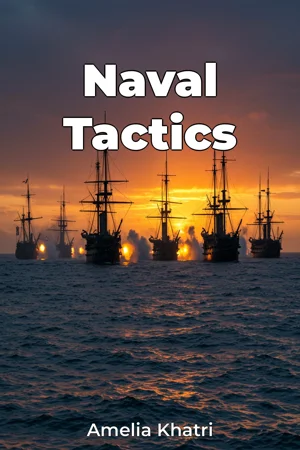
Why has control of the seas always dictated the course of history, and what are the tactical intricacies that define naval dominance? "Naval Tactics" delves into the evolution of water warfare, meticulously examining historical and modern strategies to understand the enduring principles of maritime power. This book dissects the critical elements of naval combat across centuries, offering a comprehensive analysis grounded in military archives and strategy manuals. At its core, this exploration illuminates two pivotal aspects of naval warfare: technological innovation and strategic adaptation. The book’s argument centers on the idea that successful naval tactics are not solely determined by superior technology but also by the innovative application of available resources and anticipating an adversary's maneuvers. Readers will gain an understanding of how naval strategies have evolved in response to new technologies, such as the transition from sail to steam power, the advent of submarines, and the introduction of carrier-based aviation, and how different nations adapted these technologies into their tactical doctrines. We will also discuss how naval strategy has been adapted as a result of changing geopolitical landscapes. The narrative begins with a chronological survey of naval warfare, starting from ancient galley combat and progressing through the age of sail to the modern era of guided missiles and cyber warfare. It looks at key naval battles like Salamis, Trafalgar, and Midway, analyzing the tactical decisions that led to victory or defeat. This historical context provides a foundation for understanding the persistent challenges of naval command. The book then transitions to an in-depth analysis of specific tactical doctrines, such as convoy operations, anti-submarine warfare, and amphibious assaults. Each chapter meticulously breaks down the objectives, challenges, and execution of these tactics, using case studies and historical examples to illustrate key principles. It also addresses the critical role of logistics, intelligence gathering, and command-and-control in successful naval operations, highlighting how these elements support and enable effective tactical execution. "Naval Tactics" draws extensively from primary source materials, including official naval records, after-action reports, and the personal accounts of naval officers and sailors. It also incorporates insights from contemporary military theory and strategic analysis. The book connects the study of naval warfare to broader fields such as political science, economics, and technology. The book shows how naval power has been used to project influence, protect trade routes, and shape international relations and is valuable to military professionals, historians, and anyone interested in understanding the dynamics of maritime strategy. The book avoids oversimplification, acknowledging the inherent uncertainties and complexities of naval combat. It will reveal how naval tactics often involve calculated risks, imperfect information, and the unpredictable nature of human behavior under pressure. While focused on fleet tactics, the book acknowledges the increasing importance of special operations forces and their integration into naval operations. It also examines the evolving role of unmanned systems and artificial intelligence in naval warfare, recognizing both their potential and their limitations. "Naval Tactics" explores the practical implications of naval strategy and tactics for policymakers and military planners. The book offers valuable lessons for understanding the strategic value of sea control, protecting maritime interests, and deterring potential adversaries. Written in a clear and accessible style, the book is intended for naval professionals and policymakers seeking to improve their understanding of naval warfare and its future direction. It also speaks to the general reader fascinated by military history and strategy, offering a comprehensive and informative exploration of the complex world of naval power.
Why has control of the seas always dictated the course of history, and what are the tactical intricacies that define naval dominance? "Naval Tactics" delves into the evolution of water warfare, meticulously examining historical and modern strategies to understand the enduring principles of maritime power. This book dissects the critical elements of naval combat across centuries, offering a comprehensive analysis grounded in military archives and strategy manuals. At its core, this exploration illuminates two pivotal aspects of naval warfare: technological innovation and strategic adaptation. The book’s argument centers on the idea that successful naval tactics are not solely determined by superior technology but also by the innovative application of available resources and anticipating an adversary's maneuvers. Readers will gain an understanding of how naval strategies have evolved in response to new technologies, such as the transition from sail to steam power, the advent of submarines, and the introduction of carrier-based aviation, and how different nations adapted these technologies into their tactical doctrines. We will also discuss how naval strategy has been adapted as a result of changing geopolitical landscapes. The narrative begins with a chronological survey of naval warfare, starting from ancient galley combat and progressing through the age of sail to the modern era of guided missiles and cyber warfare. It looks at key naval battles like Salamis, Trafalgar, and Midway, analyzing the tactical decisions that led to victory or defeat. This historical context provides a foundation for understanding the persistent challenges of naval command. The book then transitions to an in-depth analysis of specific tactical doctrines, such as convoy operations, anti-submarine warfare, and amphibious assaults. Each chapter meticulously breaks down the objectives, challenges, and execution of these tactics, using case studies and historical examples to illustrate key principles. It also addresses the critical role of logistics, intelligence gathering, and command-and-control in successful naval operations, highlighting how these elements support and enable effective tactical execution. "Naval Tactics" draws extensively from primary source materials, including official naval records, after-action reports, and the personal accounts of naval officers and sailors. It also incorporates insights from contemporary military theory and strategic analysis. The book connects the study of naval warfare to broader fields such as political science, economics, and technology. The book shows how naval power has been used to project influence, protect trade routes, and shape international relations and is valuable to military professionals, historians, and anyone interested in understanding the dynamics of maritime strategy. The book avoids oversimplification, acknowledging the inherent uncertainties and complexities of naval combat. It will reveal how naval tactics often involve calculated risks, imperfect information, and the unpredictable nature of human behavior under pressure. While focused on fleet tactics, the book acknowledges the increasing importance of special operations forces and their integration into naval operations. It also examines the evolving role of unmanned systems and artificial intelligence in naval warfare, recognizing both their potential and their limitations. "Naval Tactics" explores the practical implications of naval strategy and tactics for policymakers and military planners. The book offers valuable lessons for understanding the strategic value of sea control, protecting maritime interests, and deterring potential adversaries. Written in a clear and accessible style, the book is intended for naval professionals and policymakers seeking to improve their understanding of naval warfare and its future direction. It also speaks to the general reader fascinated by military history and strategy, offering a comprehensive and informative exploration of the complex world of naval power.
"Naval Tactics" explores the evolution of naval warfare, emphasizing that maritime dominance stems from both technological advancement and strategic adaptation. The book dissects historical and modern naval strategies, drawing from military archives to illuminate enduring principles. Readers will learn how innovations like submarines and carrier-based aviation changed naval strategy, influencing tactical doctrines across nations. The book chronologically surveys naval warfare—from ancient galley combat to modern cyber warfare—analyzing key battles like Trafalgar and Midway. It then transitions into specific tactical doctrines, such as amphibious assaults and anti-submarine warfare, using historical examples to illustrate objectives and challenges. The analysis connects naval warfare to broader fields like political science and economics, highlighting how maritime power influences international relations. Ultimately, "Naval Tactics" provides insights valuable to military professionals, historians, and anyone interested in understanding maritime strategy. By drawing extensively from primary sources, the book avoids oversimplification, acknowledging the inherent uncertainties of naval combat and highlighting the increasing importance of integrating special operations forces and unmanned systems into naval operations.
Book Details
ISBN
9788233973803
Publisher
Publifye AS
Your Licenses
You don't own any licenses for this book
Purchase a license below to unlock this book and download the EPUB.
Purchase License
Select a tier to unlock this book
Need bulk licensing?
Contact us for enterprise agreements.