
About This Book
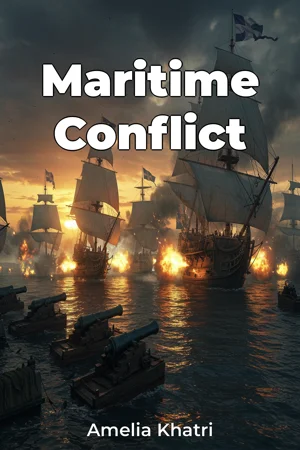
How have the fundamental principles of naval warfare adapted and endured throughout history, even as technology and geopolitical landscapes have drastically transformed? "Maritime Conflict" delves into this question, examining the enduring elements of successful naval strategy, specifically focusing on logistics, fleet formations, and combat systems. These are not merely technical considerations; they are the cornerstones upon which maritime power is built and projected, shaping international relations and influencing the outcomes of conflicts. Understanding these elements provides essential insight into both historical naval operations and contemporary maritime strategy. This book explores the evolution of naval warfare from ancient times to the modern era, emphasizing that while technology advances, certain core principles remain remarkably consistent. Logistics represents the lifeblood of any naval operation, determining a fleet's reach, endurance, and sustainability. Effective fleet formations maximize firepower while providing mutual support and tactical flexibility. Combat systems, encompassing weaponry, sensors, and communication networks, translate technological advantage into operational effectiveness. Each of these topics is critical and is intrinsically linked. The narrative unfolds in a structured manner, beginning with an overview of early naval conflicts and the rudimentary logistics that sustained them. We then trace the development of increasingly sophisticated fleet formations, from the line of battle to modern distributed operations. The evolution of combat systems is examined, highlighting the interplay between technological innovation and tactical adaptation. Scholarly articles and primary source accounts are used to support our analysis. The central argument of "Maritime Conflict" is that a deep understanding of the interplay between logistics, fleet formations, and combat systems offers a framework for analyzing naval warfare across different eras. This framework reveals that successful naval strategies consistently prioritize these elements, adapting them to the prevailing technological and geopolitical context. This is of profound importance because it allows strategists and policymakers to discern enduring principles from transient technological fads, facilitating more informed decision-making in an increasingly complex maritime environment. The book is divided into three major sections, each dedicated to one of the core elements: logistics, fleet formations, and combat systems. Each section begins with a historical overview, tracing the evolution of the element from its earliest manifestations to its contemporary form. Subsequent chapters within each section examine specific case studies, illustrating how these elements have been successfully or unsuccessfully applied in different conflicts. The book culminates in a synthesis of these findings, presenting a model for analyzing naval warfare that emphasizes the enduring importance of these three core elements. The evidence presented within "Maritime Conflict" draws upon a diverse range of sources, including historical documents, naval strategy treatises, technical manuals, and scholarly analyses. The book also incorporates quantitative data, such as fleet sizes, tonnage, and weapon ranges, to support its arguments. "Maritime Conflict" connects to several other fields of study, including political science, economics, and technology. The success or failure of naval operations often hinges on political decisions and economic constraints. Technological advancements, such as the development of steam power or nuclear propulsion, have profoundly impacted naval warfare, shaping strategies and altering the balance of power. These interdisciplinary connections enhance the book's argument by providing a more holistic understanding of naval warfare. This book offers a unique perspective by focusing on the enduring principles of naval warfare rather than simply cataloging technological advancements. This approach allows for a more insightful analysis of naval history, revealing the underlying patterns and dynamics that have shaped maritime conflict across different eras. The tone and writing style of "Maritime Conflict" is academic, but accessible. Complex concepts are explained clearly and concisely, and technical jargon is minimized. The book is intended for a broad audience, including military professionals, historians, students, and anyone interested in naval warfare. The book would be valuable to them by offering a framework for understanding the complexities of maritime conflict and its relevance to contemporary geopolitical challenges. As a work of military history, "Maritime Conflict" adheres to the conventions of the genre, providing detailed accounts of battles, campaigns, and technological developments. However, it also transcends the traditional boundaries of military history by incorporating elements of strategic analysis, political science, and economics. The scope of "Maritime Conflict" is limited to the study of surface warfare, excluding submarine warfare and naval aviation. While these are important aspects of modern naval warfare, they are beyond the scope of this book. The information presented in "Maritime Conflict" has practical applications for military professionals, policymakers, and defense analysts. By understanding the enduring principles of naval warfare, they can make more informed decisions about naval strategy, force structure, and technology acquisition. "Maritime Conflict" addresses several ongoing debates in the field of naval warfare, such as the relative importance of sea control versus sea denial, the role of aircraft carriers in the 21st century, and the impact of cyber warfare on maritime operations. By providing a framework for analyzing these debates, the book contributes to a more informed and nuanced discussion of these critical issues.
How have the fundamental principles of naval warfare adapted and endured throughout history, even as technology and geopolitical landscapes have drastically transformed? "Maritime Conflict" delves into this question, examining the enduring elements of successful naval strategy, specifically focusing on logistics, fleet formations, and combat systems. These are not merely technical considerations; they are the cornerstones upon which maritime power is built and projected, shaping international relations and influencing the outcomes of conflicts. Understanding these elements provides essential insight into both historical naval operations and contemporary maritime strategy. This book explores the evolution of naval warfare from ancient times to the modern era, emphasizing that while technology advances, certain core principles remain remarkably consistent. Logistics represents the lifeblood of any naval operation, determining a fleet's reach, endurance, and sustainability. Effective fleet formations maximize firepower while providing mutual support and tactical flexibility. Combat systems, encompassing weaponry, sensors, and communication networks, translate technological advantage into operational effectiveness. Each of these topics is critical and is intrinsically linked. The narrative unfolds in a structured manner, beginning with an overview of early naval conflicts and the rudimentary logistics that sustained them. We then trace the development of increasingly sophisticated fleet formations, from the line of battle to modern distributed operations. The evolution of combat systems is examined, highlighting the interplay between technological innovation and tactical adaptation. Scholarly articles and primary source accounts are used to support our analysis. The central argument of "Maritime Conflict" is that a deep understanding of the interplay between logistics, fleet formations, and combat systems offers a framework for analyzing naval warfare across different eras. This framework reveals that successful naval strategies consistently prioritize these elements, adapting them to the prevailing technological and geopolitical context. This is of profound importance because it allows strategists and policymakers to discern enduring principles from transient technological fads, facilitating more informed decision-making in an increasingly complex maritime environment. The book is divided into three major sections, each dedicated to one of the core elements: logistics, fleet formations, and combat systems. Each section begins with a historical overview, tracing the evolution of the element from its earliest manifestations to its contemporary form. Subsequent chapters within each section examine specific case studies, illustrating how these elements have been successfully or unsuccessfully applied in different conflicts. The book culminates in a synthesis of these findings, presenting a model for analyzing naval warfare that emphasizes the enduring importance of these three core elements. The evidence presented within "Maritime Conflict" draws upon a diverse range of sources, including historical documents, naval strategy treatises, technical manuals, and scholarly analyses. The book also incorporates quantitative data, such as fleet sizes, tonnage, and weapon ranges, to support its arguments. "Maritime Conflict" connects to several other fields of study, including political science, economics, and technology. The success or failure of naval operations often hinges on political decisions and economic constraints. Technological advancements, such as the development of steam power or nuclear propulsion, have profoundly impacted naval warfare, shaping strategies and altering the balance of power. These interdisciplinary connections enhance the book's argument by providing a more holistic understanding of naval warfare. This book offers a unique perspective by focusing on the enduring principles of naval warfare rather than simply cataloging technological advancements. This approach allows for a more insightful analysis of naval history, revealing the underlying patterns and dynamics that have shaped maritime conflict across different eras. The tone and writing style of "Maritime Conflict" is academic, but accessible. Complex concepts are explained clearly and concisely, and technical jargon is minimized. The book is intended for a broad audience, including military professionals, historians, students, and anyone interested in naval warfare. The book would be valuable to them by offering a framework for understanding the complexities of maritime conflict and its relevance to contemporary geopolitical challenges. As a work of military history, "Maritime Conflict" adheres to the conventions of the genre, providing detailed accounts of battles, campaigns, and technological developments. However, it also transcends the traditional boundaries of military history by incorporating elements of strategic analysis, political science, and economics. The scope of "Maritime Conflict" is limited to the study of surface warfare, excluding submarine warfare and naval aviation. While these are important aspects of modern naval warfare, they are beyond the scope of this book. The information presented in "Maritime Conflict" has practical applications for military professionals, policymakers, and defense analysts. By understanding the enduring principles of naval warfare, they can make more informed decisions about naval strategy, force structure, and technology acquisition. "Maritime Conflict" addresses several ongoing debates in the field of naval warfare, such as the relative importance of sea control versus sea denial, the role of aircraft carriers in the 21st century, and the impact of cyber warfare on maritime operations. By providing a framework for analyzing these debates, the book contributes to a more informed and nuanced discussion of these critical issues.
"Maritime Conflict" explores the timeless principles of naval warfare, highlighting how logistics, fleet formations, and combat systems have shaped maritime power throughout history. The book argues that while technology evolves, these core elements remain crucial for successful naval strategy. For example, understanding fleet formations is vital, as they maximize firepower while maintaining tactical flexibility, a principle applicable from ancient galleys to modern warships. The book examines naval warfare from ancient times to the modern era, tracing the evolution of logistics from rudimentary supply lines to complex global networks. It also delves into how combat systems have advanced, showing the interplay between technological innovation and tactical adaptation. Highlighting the importance of understanding these enduring principles, "Maritime Conflict" provides a framework for analyzing naval warfare across different eras, helping strategists and policymakers make informed decisions. Divided into three major sections—logistics, fleet formations, and combat systems—the book begins each section with a historical overview, tracing the element's evolution. Subsequent chapters present case studies, illustrating successful and unsuccessful applications in various conflicts. By focusing on these enduring principles, the book offers a unique perspective, revealing patterns and dynamics that have shaped maritime conflict throughout history.
Book Details
ISBN
9788233973797
Publisher
Publifye AS
Your Licenses
You don't own any licenses for this book
Purchase a license below to unlock this book and download the EPUB.
Purchase License
Select a tier to unlock this book
Need bulk licensing?
Contact us for enterprise agreements.