
About This Book
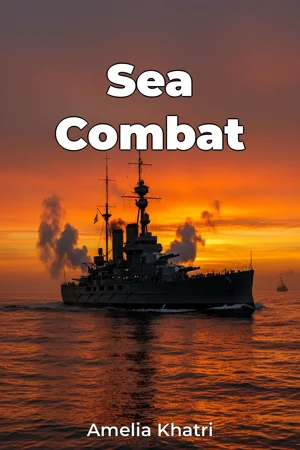
How have technological advancements and strategic thinking shaped naval warfare throughout history, and what lessons can be gleaned to inform contemporary maritime strategies? "Sea Combat" dissects the evolution of maritime engagements, providing a detailed analysis of naval weapon systems, strategic maneuvers, and the underlying principles that govern success and failure at sea. This book is important because understanding the historical context of sea combat is vital for comprehending modern naval power dynamics, appreciating the impact of technology on warfare, and informing future naval strategy and policy. The book explores three primary areas. First, it delves into the history of naval weaponry, tracing its development from ancient galleys to modern missile systems, examining how each technological leap has fundamentally altered the nature of naval conflict. Second, the work explores the evolution of naval strategic and tactical maneuvers, analyzing key battle formations, command-and-control principles, and the art of fleet deployment. Third, it elucidates the enduring principles of maritime warfare, such as sea control, power projection, and the importance of logistics, demonstrating their continued relevance across different historical eras. The study of naval combat naturally involves an understanding of geopolitics, technological innovation, and the interplay between land and sea power. A basic familiarity with military history and naval terminology would be helpful, but not essential, for readers. "Sea Combat" argues that while technology continuously evolves, fundamental principles of maritime warfare remain surprisingly constant. By understanding these enduring principles, naval strategists can better anticipate future challenges and opportunities in the maritime domain. The book’s structure is as follows. It begins by introducing core concepts such as sea control, sea denial, and power projection. It then examines specific historical periods – including ancient naval battles, the age of sail, and the era of modern naval warfare – focusing on key engagements and the weapon systems employed. These case studies illustrate how the key concepts were manifested or challenged in particular circumstances. The book culminates with an analysis of contemporary naval challenges, such as anti-access/area denial (A2/AD) strategies, and an assessment of future trends in naval warfare, including the rise of unmanned systems and cyber warfare. The analysis draws upon a wide range of sources, including primary accounts from naval officers and sailors, historical documents, technical specifications of naval vessels and weaponry, and scholarly analyses of naval strategy and tactics. The book incorporates quantitative data—such as ship specifications, weapon ranges, and engagement statistics—to provide a rigorous, evidence-based assessment of naval combat. "Sea Combat" connects to several other fields, including political science, international relations, and technology studies. By examining the political and economic factors that drive naval competition, the book sheds light on the broader dynamics of global power. By analyzing the technological innovations that have transformed naval warfare, the book contributes to a better understanding of the relationship between technology and society. And by exploring the strategic implications of naval power, the book informs the development of effective foreign policies. A unique aspect of "Sea Combat" is its integration of historical analysis with contemporary strategic thinking. By examining past naval battles through the lens of modern naval challenges, the book offers fresh insights into the enduring relevance of maritime power. The book is written in a clear and accessible style, avoiding unnecessary jargon and technical complexities. The narrative is designed to be engaging and informative for both military professionals and general readers interested in naval history and strategy. The primary audience for "Sea Combat" includes military officers, naval analysts, historians, and anyone interested in military affairs. The book provides valuable insights for those seeking to understand the complexities of naval warfare and its role in shaping global history. As a work of military history, "Sea Combat" provides detailed accounts of specific battles and campaigns, placing them within a broader strategic and historical context. It adheres to the genre's emphasis on accuracy, objectivity, and the use of primary sources. While "Sea Combat" aims to provide a comprehensive overview of naval warfare, its scope is necessarily limited to major naval powers and key historical periods. The book does not delve into the minutiae of every naval engagement, but rather focuses on those that offer significant insights into the evolution of maritime strategy and technology. The principles and strategies discussed in "Sea Combat" have practical applications for naval officers, policymakers, and defense analysts. By understanding the historical context of naval warfare, these professionals can make more informed decisions about force structure, technology development, and strategic planning. The book also addresses ongoing debates about the future of naval power, such as the relative importance of aircraft carriers, submarines, and surface combatants. By presenting a balanced assessment of these competing perspectives, "Sea Combat" contributes to a more informed discussion about the challenges and opportunities facing naval forces in the 21st century.
How have technological advancements and strategic thinking shaped naval warfare throughout history, and what lessons can be gleaned to inform contemporary maritime strategies? "Sea Combat" dissects the evolution of maritime engagements, providing a detailed analysis of naval weapon systems, strategic maneuvers, and the underlying principles that govern success and failure at sea. This book is important because understanding the historical context of sea combat is vital for comprehending modern naval power dynamics, appreciating the impact of technology on warfare, and informing future naval strategy and policy. The book explores three primary areas. First, it delves into the history of naval weaponry, tracing its development from ancient galleys to modern missile systems, examining how each technological leap has fundamentally altered the nature of naval conflict. Second, the work explores the evolution of naval strategic and tactical maneuvers, analyzing key battle formations, command-and-control principles, and the art of fleet deployment. Third, it elucidates the enduring principles of maritime warfare, such as sea control, power projection, and the importance of logistics, demonstrating their continued relevance across different historical eras. The study of naval combat naturally involves an understanding of geopolitics, technological innovation, and the interplay between land and sea power. A basic familiarity with military history and naval terminology would be helpful, but not essential, for readers. "Sea Combat" argues that while technology continuously evolves, fundamental principles of maritime warfare remain surprisingly constant. By understanding these enduring principles, naval strategists can better anticipate future challenges and opportunities in the maritime domain. The book’s structure is as follows. It begins by introducing core concepts such as sea control, sea denial, and power projection. It then examines specific historical periods – including ancient naval battles, the age of sail, and the era of modern naval warfare – focusing on key engagements and the weapon systems employed. These case studies illustrate how the key concepts were manifested or challenged in particular circumstances. The book culminates with an analysis of contemporary naval challenges, such as anti-access/area denial (A2/AD) strategies, and an assessment of future trends in naval warfare, including the rise of unmanned systems and cyber warfare. The analysis draws upon a wide range of sources, including primary accounts from naval officers and sailors, historical documents, technical specifications of naval vessels and weaponry, and scholarly analyses of naval strategy and tactics. The book incorporates quantitative data—such as ship specifications, weapon ranges, and engagement statistics—to provide a rigorous, evidence-based assessment of naval combat. "Sea Combat" connects to several other fields, including political science, international relations, and technology studies. By examining the political and economic factors that drive naval competition, the book sheds light on the broader dynamics of global power. By analyzing the technological innovations that have transformed naval warfare, the book contributes to a better understanding of the relationship between technology and society. And by exploring the strategic implications of naval power, the book informs the development of effective foreign policies. A unique aspect of "Sea Combat" is its integration of historical analysis with contemporary strategic thinking. By examining past naval battles through the lens of modern naval challenges, the book offers fresh insights into the enduring relevance of maritime power. The book is written in a clear and accessible style, avoiding unnecessary jargon and technical complexities. The narrative is designed to be engaging and informative for both military professionals and general readers interested in naval history and strategy. The primary audience for "Sea Combat" includes military officers, naval analysts, historians, and anyone interested in military affairs. The book provides valuable insights for those seeking to understand the complexities of naval warfare and its role in shaping global history. As a work of military history, "Sea Combat" provides detailed accounts of specific battles and campaigns, placing them within a broader strategic and historical context. It adheres to the genre's emphasis on accuracy, objectivity, and the use of primary sources. While "Sea Combat" aims to provide a comprehensive overview of naval warfare, its scope is necessarily limited to major naval powers and key historical periods. The book does not delve into the minutiae of every naval engagement, but rather focuses on those that offer significant insights into the evolution of maritime strategy and technology. The principles and strategies discussed in "Sea Combat" have practical applications for naval officers, policymakers, and defense analysts. By understanding the historical context of naval warfare, these professionals can make more informed decisions about force structure, technology development, and strategic planning. The book also addresses ongoing debates about the future of naval power, such as the relative importance of aircraft carriers, submarines, and surface combatants. By presenting a balanced assessment of these competing perspectives, "Sea Combat" contributes to a more informed discussion about the challenges and opportunities facing naval forces in the 21st century.
"Sea Combat" analyzes the evolution of naval warfare, highlighting the interplay between technological advancements and strategic thinking that have shaped maritime engagements throughout history. The book argues that while naval technology constantly evolves, fundamental principles of maritime power, such as sea control and power projection, remain surprisingly constant. Readers will discover how innovations, from ancient galleys to modern missile systems, have revolutionized naval conflict and altered strategic and tactical maneuvers. The book explores naval history by examining key battles and weapon systems across different historical periods. Starting with core concepts, the book progresses chronologically, focusing on naval battles from ancient times through the age of sail and the modern era. Case studies are used to illustrate the enduring relevance of maritime strategy and how key concepts were manifested in specific circumstances. Ultimately, "Sea Combat" provides readers with a unique integration of historical analysis and contemporary strategic thinking. It connects political science, international relations, and technology studies to shed light on global power dynamics. The book concludes with an analysis of modern naval challenges and future trends, offering valuable insights for military professionals and anyone interested in naval history and strategy.
Book Details
ISBN
9788233973780
Publisher
Publifye AS
Your Licenses
You don't own any licenses for this book
Purchase a license below to unlock this book and download the EPUB.
Purchase License
Select a tier to unlock this book
Need bulk licensing?
Contact us for enterprise agreements.