
About This Book
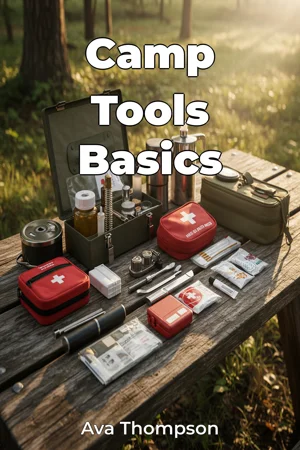
Are you prepared to face the wilderness equipped with more than just enthusiasm? "Camp Tools Basics" is your definitive guide to mastering fundamental camping tools while prioritizing wilderness safety protocols. This book is not just about gear; it's about responsible and informed engagement with the natural world. This book comprehensively examines three major aspects of camping: essential tool selection, safe and effective usage, and the critical role of these tools in mitigating wilderness risks. Understanding these topics is paramount – poor tool choice or misuse can quickly transform a rewarding experience into a survival situation. A solid grasp of safety protocols transforms a camping trip into a responsible and sustainable interaction with nature. While camping has existed for millennia, its modern iteration is influenced by technological advancements and an increasing awareness of environmental impact. Historically, tools were simple and utilitarian. Now, a vast array of options exists, demanding informed decision-making. Furthermore, growing participation in outdoor activities necessitates a stronger emphasis on Leave No Trace principles and minimizing ecological disruption. A basic understanding of wilderness first aid is beneficial but not a prerequisite; relevant first aid considerations are integrated throughout the book where applicable. The central argument of "Camp Tools Basics" is that selecting and using camping tools effectively, coupled with adherence to wilderness safety principles, is critical for a safe, enjoyable, and environmentally conscious outdoor experience. This argument is important because it bridges the gap between equipment functionality and personal responsibility, empowering readers to become knowledgeable and ethical stewards of the wilderness. The book is structured to provide a step-by-step understanding. It begins by introducing core camping tools, such as knives, axes, saws, fire starters, navigation devices, and shelter-building implements. Each tool is examined in terms of its design, appropriate applications, and potential hazards. The book then progresses to safe usage techniques, covering topics from sharpening knives to safely felling small trees. It concludes by demonstrating how these tools and skills are essential for managing risks, including inclement weather preparation, emergency signaling, and wildlife encounters. We emphasize practical applications throughout, providing scenarios and exercises that promote skill development. The analysis relies on a combination of expert opinions from seasoned outdoor instructors, equipment testing data, and documented case studies of wilderness incidents. It also incorporates guidelines from leading outdoor organizations and governmental agencies responsible for wilderness management. This book uniquely synthesizes equipment-specific knowledge with holistic safety principles to make wilderness skill development efficient. The book connects to fields such as environmental science (through its emphasis on Leave No Trace principles), engineering (in its analysis of tool design and mechanics), and risk management (in its approach to wilderness safety). These interdisciplinary connections enrich the reader's understanding of the subject matter and broaden its applicability beyond recreational camping. "Camp Tools Basics" adopts a practical, hands-on approach. It avoids overly technical jargon and strives for clarity and accessibility. The writing style is informative but engaging, incorporating real-world examples and anecdotes to illustrate key concepts. The target audience includes novice campers, backpackers, scout leaders, and anyone seeking to enhance their wilderness skills and safety knowledge. It is valuable for those who desire competence in the outdoors. As a non-fiction "Sports and Travel" guide, this book adheres to the genre's conventions by providing practical, actionable advice and focusing on real-world applications. It emphasizes safety, skill-building, and responsible outdoor behavior in line with the genre's expectations. The book's scope is limited to fundamental camping tools and basic wilderness safety protocols. It does not delve into advanced survival techniques or specialized equipment for extreme environments. This intentional limitation allows for a more in-depth exploration of the core concepts essential for safe and enjoyable recreational camping. The information in this book can be applied in various real-world situations, from planning a weekend camping trip to responding effectively to unexpected challenges in the backcountry. The skills and knowledge gained will empower readers to confidently and responsibly navigate the wilderness. There are ongoing debates surrounding the appropriateness of certain tools in wilderness settings, such as the use of axes in fragile ecosystems. The book acknowledges these debates and encourages readers to consider the ethical implications of their tool choices and usage practices.
Are you prepared to face the wilderness equipped with more than just enthusiasm? "Camp Tools Basics" is your definitive guide to mastering fundamental camping tools while prioritizing wilderness safety protocols. This book is not just about gear; it's about responsible and informed engagement with the natural world. This book comprehensively examines three major aspects of camping: essential tool selection, safe and effective usage, and the critical role of these tools in mitigating wilderness risks. Understanding these topics is paramount – poor tool choice or misuse can quickly transform a rewarding experience into a survival situation. A solid grasp of safety protocols transforms a camping trip into a responsible and sustainable interaction with nature. While camping has existed for millennia, its modern iteration is influenced by technological advancements and an increasing awareness of environmental impact. Historically, tools were simple and utilitarian. Now, a vast array of options exists, demanding informed decision-making. Furthermore, growing participation in outdoor activities necessitates a stronger emphasis on Leave No Trace principles and minimizing ecological disruption. A basic understanding of wilderness first aid is beneficial but not a prerequisite; relevant first aid considerations are integrated throughout the book where applicable. The central argument of "Camp Tools Basics" is that selecting and using camping tools effectively, coupled with adherence to wilderness safety principles, is critical for a safe, enjoyable, and environmentally conscious outdoor experience. This argument is important because it bridges the gap between equipment functionality and personal responsibility, empowering readers to become knowledgeable and ethical stewards of the wilderness. The book is structured to provide a step-by-step understanding. It begins by introducing core camping tools, such as knives, axes, saws, fire starters, navigation devices, and shelter-building implements. Each tool is examined in terms of its design, appropriate applications, and potential hazards. The book then progresses to safe usage techniques, covering topics from sharpening knives to safely felling small trees. It concludes by demonstrating how these tools and skills are essential for managing risks, including inclement weather preparation, emergency signaling, and wildlife encounters. We emphasize practical applications throughout, providing scenarios and exercises that promote skill development. The analysis relies on a combination of expert opinions from seasoned outdoor instructors, equipment testing data, and documented case studies of wilderness incidents. It also incorporates guidelines from leading outdoor organizations and governmental agencies responsible for wilderness management. This book uniquely synthesizes equipment-specific knowledge with holistic safety principles to make wilderness skill development efficient. The book connects to fields such as environmental science (through its emphasis on Leave No Trace principles), engineering (in its analysis of tool design and mechanics), and risk management (in its approach to wilderness safety). These interdisciplinary connections enrich the reader's understanding of the subject matter and broaden its applicability beyond recreational camping. "Camp Tools Basics" adopts a practical, hands-on approach. It avoids overly technical jargon and strives for clarity and accessibility. The writing style is informative but engaging, incorporating real-world examples and anecdotes to illustrate key concepts. The target audience includes novice campers, backpackers, scout leaders, and anyone seeking to enhance their wilderness skills and safety knowledge. It is valuable for those who desire competence in the outdoors. As a non-fiction "Sports and Travel" guide, this book adheres to the genre's conventions by providing practical, actionable advice and focusing on real-world applications. It emphasizes safety, skill-building, and responsible outdoor behavior in line with the genre's expectations. The book's scope is limited to fundamental camping tools and basic wilderness safety protocols. It does not delve into advanced survival techniques or specialized equipment for extreme environments. This intentional limitation allows for a more in-depth exploration of the core concepts essential for safe and enjoyable recreational camping. The information in this book can be applied in various real-world situations, from planning a weekend camping trip to responding effectively to unexpected challenges in the backcountry. The skills and knowledge gained will empower readers to confidently and responsibly navigate the wilderness. There are ongoing debates surrounding the appropriateness of certain tools in wilderness settings, such as the use of axes in fragile ecosystems. The book acknowledges these debates and encourages readers to consider the ethical implications of their tool choices and usage practices.
"Camp Tools Basics" is an essential guide for anyone venturing into the outdoors, emphasizing the critical link between tool proficiency and wilderness safety. The book underscores that proper tool selection and usage are paramount, illustrating how a simple oversight can escalate into a survival situation. Readers will discover the importance of understanding tool design, applications, and potential hazards, ensuring they are well-prepared for any camping scenario. The book progresses systematically, beginning with an introduction to core camping tools such as knives, axes, and fire starters, before moving into safe usage techniques and risk management. It uniquely synthesizes equipment-specific knowledge with holistic safety principles. For example, it highlights how selecting the right navigation device can be as crucial as knowing how to use it. Furthermore, the guide integrates Leave No Trace principles, advocating for responsible outdoor behavior and minimizing environmental impact. By blending expert opinions, equipment testing data, and real-world case studies, "Camp Tools Basics" empowers readers to confidently and ethically engage with the wilderness. This hands-on approach, designed for novice campers and seasoned outdoor enthusiasts alike, bridges the gap between equipment functionality and personal responsibility, fostering knowledgeable and conscientious stewards of the natural world.
Book Details
ISBN
9788233973506
Publisher
Publifye AS
Your Licenses
You don't own any licenses for this book
Purchase a license below to unlock this book and download the EPUB.
Purchase License
Select a tier to unlock this book
Need bulk licensing?
Contact us for enterprise agreements.