
About This Book
Is honey merely a sweetener, or does it hold a deeper secret to well-being rooted in its natural properties and cultural significance? "Honey Protective Edge" delves into the multifaceted nature of honey, exploring its potent antibacterial qualities and remarkable antioxidant potential, while reflecting on its diverse cultural uses across different regions as a daily supplement. This book addresses two key topics. The first is the inherent biological properties of honey influencing human health, namely its antibacterial action against a spectrum of pathogens and its antioxidant capacity in neutralizing harmful free radicals. The second is the cultural context of honey consumption, reviewing the significance of honey in various societies and its traditional applications. These topics are important because they bridge the gap between modern scientific understanding and time-honored practices, offering a comprehensive perspective on honey’s role in human health. Historically, honey has been used as a medicinal agent in civilizations around the world, from ancient Egypt to traditional Chinese medicine. Socially, honey often represents purity, health, and prosperity, playing a role in rituals and culinary traditions. Scientifically, honey's composition varies depending on floral source, geographic location, and bee species, influencing its therapeutic properties. No prior specialist knowledge is needed to gain insight from this text. The central argument posits that honey, when understood through both its scientific properties and cultural uses, can be recognized as a valuable resource for promoting daily well-being. It is a sustainable option for those seeking natural and accessible health options and is important for informing responsible consumption and application of this natural product. The book is structured in four parts. First, it introduces the fundamental concepts of honey’s composition, focusing on its sugars, enzymes, and bioactive compounds. Second, it covers the antibacterial properties of honey, examining its mechanisms of action against various bacteria and its potential role in wound healing and infection control. Third, the antioxidant potential of honey is considered, exploring its impact on reducing oxidative stress and preventing cellular damage. Finally, the book culminates by examining the cultural uses of honey across different regions, highlighting its traditional applications and its role in promoting well-being. Practical implications and considerations for incorporating honey into daily life are reviewed. The evidence presented is based on a comprehensive review of scientific literature, including in vitro studies, animal models, and human clinical trials. Data sources include scientific databases like PubMed and Scopus, as well as ethno-botanical surveys and historical texts documenting honey's cultural uses. This book connects to other fields such as microbiology, nutrition, and anthropology. The link to microbiology highlights honey's role as an antimicrobial agent, while the connection to nutrition emphasizes its potential as a source of antioxidants and other beneficial compounds. Further, the anthropological perspective is highlighted by the cultural significance of honey and its traditional uses across different societies. The approach taken will provide a comprehensive and integrated overview, combining rigorous scientific analysis with cross-cultural insights. The tone is informative and engaging, presenting complex scientific information in an accessible manner. The target audience includes health-conscious individuals, nutritionists, healthcare professionals, and anyone interested in natural remedies and traditional medicine. This book offers valuable insights for those seeking to understand the scientific basis of honey’s health benefits and its cultural significance. As a non-fiction book, the content is backed by evidence and adheres to scientific rigor. The scope mainly focuses on the antibacterial and antioxidant properties of honey, specifically how they relate to daily well-being, with cultural context being added to support these findings. The book does not aim to be an exhaustive review of all types of honey or all possible health conditions it may affect. Information on the book can be practically applied in making informed choices about honey consumption, using honey as a natural remedy for minor ailments, and incorporating honey into a balanced diet. The book addresses the ongoing debate surrounding the quality and authenticity of honey, discussing methods for identifying genuine honey and highlighting the importance of sustainable sourcing and ethical beekeeping practices.
Is honey merely a sweetener, or does it hold a deeper secret to well-being rooted in its natural properties and cultural significance? "Honey Protective Edge" delves into the multifaceted nature of honey, exploring its potent antibacterial qualities and remarkable antioxidant potential, while reflecting on its diverse cultural uses across different regions as a daily supplement. This book addresses two key topics. The first is the inherent biological properties of honey influencing human health, namely its antibacterial action against a spectrum of pathogens and its antioxidant capacity in neutralizing harmful free radicals. The second is the cultural context of honey consumption, reviewing the significance of honey in various societies and its traditional applications. These topics are important because they bridge the gap between modern scientific understanding and time-honored practices, offering a comprehensive perspective on honey’s role in human health. Historically, honey has been used as a medicinal agent in civilizations around the world, from ancient Egypt to traditional Chinese medicine. Socially, honey often represents purity, health, and prosperity, playing a role in rituals and culinary traditions. Scientifically, honey's composition varies depending on floral source, geographic location, and bee species, influencing its therapeutic properties. No prior specialist knowledge is needed to gain insight from this text. The central argument posits that honey, when understood through both its scientific properties and cultural uses, can be recognized as a valuable resource for promoting daily well-being. It is a sustainable option for those seeking natural and accessible health options and is important for informing responsible consumption and application of this natural product. The book is structured in four parts. First, it introduces the fundamental concepts of honey’s composition, focusing on its sugars, enzymes, and bioactive compounds. Second, it covers the antibacterial properties of honey, examining its mechanisms of action against various bacteria and its potential role in wound healing and infection control. Third, the antioxidant potential of honey is considered, exploring its impact on reducing oxidative stress and preventing cellular damage. Finally, the book culminates by examining the cultural uses of honey across different regions, highlighting its traditional applications and its role in promoting well-being. Practical implications and considerations for incorporating honey into daily life are reviewed. The evidence presented is based on a comprehensive review of scientific literature, including in vitro studies, animal models, and human clinical trials. Data sources include scientific databases like PubMed and Scopus, as well as ethno-botanical surveys and historical texts documenting honey's cultural uses. This book connects to other fields such as microbiology, nutrition, and anthropology. The link to microbiology highlights honey's role as an antimicrobial agent, while the connection to nutrition emphasizes its potential as a source of antioxidants and other beneficial compounds. Further, the anthropological perspective is highlighted by the cultural significance of honey and its traditional uses across different societies. The approach taken will provide a comprehensive and integrated overview, combining rigorous scientific analysis with cross-cultural insights. The tone is informative and engaging, presenting complex scientific information in an accessible manner. The target audience includes health-conscious individuals, nutritionists, healthcare professionals, and anyone interested in natural remedies and traditional medicine. This book offers valuable insights for those seeking to understand the scientific basis of honey’s health benefits and its cultural significance. As a non-fiction book, the content is backed by evidence and adheres to scientific rigor. The scope mainly focuses on the antibacterial and antioxidant properties of honey, specifically how they relate to daily well-being, with cultural context being added to support these findings. The book does not aim to be an exhaustive review of all types of honey or all possible health conditions it may affect. Information on the book can be practically applied in making informed choices about honey consumption, using honey as a natural remedy for minor ailments, and incorporating honey into a balanced diet. The book addresses the ongoing debate surrounding the quality and authenticity of honey, discussing methods for identifying genuine honey and highlighting the importance of sustainable sourcing and ethical beekeeping practices.
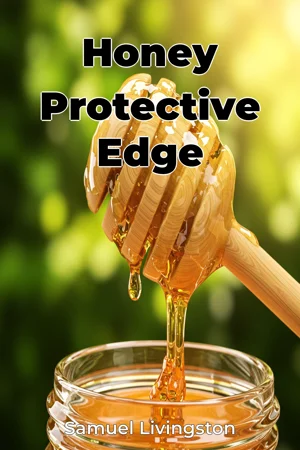
"Honey Protective Edge" explores honey's dual nature as both a sweetener and a potential source of well-being. It delves into honey's antibacterial properties, effective against a range of pathogens, and its antioxidant potential, which helps neutralize harmful free radicals in the body. The book also examines honey's cultural significance, showcasing its traditional uses in various societies and its role in rituals and culinary practices. The book bridges scientific findings with time-honored traditions, offering a comprehensive perspective on honey's role in health and Science Life Sciences. It highlights how honey composition varies based on floral source and geographic location, influencing its therapeutic properties. Structured in four parts, the book progresses from honey's composition to its antibacterial and antioxidant properties, culminating in an exploration of its cultural uses. Ultimately, "Honey Protective Edge" argues that understanding honey's scientific properties and cultural uses can unlock its potential as a valuable resource for promoting daily well-being. It emphasizes sustainable sourcing and ethical beekeeping, making it a valuable resource for those interested in Biology, Health Fitness, Health & Fitness, Science Life Sciences and natural remedies.
Book Details
ISBN
9788233973407
Publisher
Publifye AS
Your Licenses
You don't own any licenses for this book
Purchase a license below to unlock this book and download the EPUB.
Purchase License
Select a tier to unlock this book
Need bulk licensing?
Contact us for enterprise agreements.