
About This Book
Could the spice in your kitchen cabinet hold the key to better blood sugar management? "Cinnamon Blood Balance" explores the potential benefits of cinnamon in regulating glucose levels, drawing from both scientific research and traditional medicine practices worldwide. This book aims to provide a comprehensive understanding of cinnamon's impact on metabolic health, offering a balanced perspective grounded in evidence-based analysis. The book delves into two primary topics. First, it investigates the bioactive compounds found in cinnamon, particularly cinnamaldehyde, and their potential mechanisms of action in improving insulin sensitivity and glucose uptake. Second, the book examines the historical and cultural use of cinnamon as a therapeutic agent in various traditional medicine systems, spanning from Ayurveda to Traditional Chinese Medicine. These systems have long recognized cinnamon’s purported health benefits, particularly in relation to digestive health and energy balance, which are conceptually linked to glucose metabolism. Understanding both the scientific rationale and traditional applications is paramount to a comprehensive understanding of cinnamon’s possible effects. The historical context of cinnamon as a valuable commodity and its integration into various cultural practices is also explored. Cinnamon has been traded for thousands of years, with its value often exceeding that of gold. Its use in traditional medicine is just as longstanding, with documented applications dating back centuries. Examining this history provides context for modern research and helps to differentiate between anecdotal claims and substantiated findings. The central argument of "Cinnamon Blood Balance" is that while preliminary research suggests cinnamon may play a supportive role in glucose regulation, further rigorous scientific investigation is needed to fully elucidate its mechanisms of action, optimal dosages, and long-term effects. The book champions a cautious yet optimistic approach, emphasizing the importance of integrating scientific findings with traditional knowledge. The book is structured in three main parts. Part one introduces the basics of glucose metabolism, insulin resistance, and the pathophysiology of type 2 diabetes. It also covers the different types of cinnamon, their chemical compositions, and methods of extraction. Part two examines existing research studies, including both in-vitro and in-vivo trials, focusing on cinnamon's effects on blood glucose, insulin sensitivity, lipid profiles, and body weight. This section will critically assess the strengths and limitations of current research, highlighting areas where further investigation is warranted. Part three explores the traditional uses of cinnamon in different cultures, analyzing the historical context, preparation methods, and purported benefits. It will then connect these traditional uses with modern scientific understanding, seeking potential synergies and validating traditional claims through evidence-based analysis. The concluding section offers a realistic perspective on incorporating cinnamon into a healthy lifestyle, while underscoring that it should not be considered a replacement for conventional medical treatments. The evidence presented is drawn from a range of sources including peer-reviewed scientific publications, clinical trials, meta-analyses, and ethnobotanical studies. The book critically reviews the scientific literature, assessing the quality and reliability of the research. The book connects to the fields of nutrition, endocrinology, and pharmacology, exploring how cinnamon interacts with other nutrients, hormonal systems, and pharmaceutical interventions. It also touches on the intersection of botany and ethnobotany, describing the plant's origins and its cultural significance. "Cinnamon Blood Balance" provides a balanced and objective analysis of the potential benefits and limitations of cinnamon consumption. The writing style is informative and accessible, avoiding overly technical jargon while maintaining scientific rigor. The target audience includes health-conscious individuals, those with pre-diabetes or type 2 diabetes, healthcare professionals seeking to expand their knowledge of complementary therapies, and anyone interested in the science behind traditional medicine. The book offers practical advice for individuals looking to incorporate cinnamon into their diet, while also cautioning against unrealistic expectations and emphasizing the importance of a holistic approach to health. This book acknowledges the limitations of current research and refrains from making definitive claims about cinnamon's effects. It underscores the need for more well-designed clinical trials to confirm its efficacy and safety. Potential controversies surrounding dosage, types of cinnamon, and interactions with medications will also be addressed. The real-world applications discussed include dietary recommendations, considerations for supplementation, and potential benefits for individuals with specific metabolic conditions, always emphasizing the need for professional medical guidance.
Could the spice in your kitchen cabinet hold the key to better blood sugar management? "Cinnamon Blood Balance" explores the potential benefits of cinnamon in regulating glucose levels, drawing from both scientific research and traditional medicine practices worldwide. This book aims to provide a comprehensive understanding of cinnamon's impact on metabolic health, offering a balanced perspective grounded in evidence-based analysis. The book delves into two primary topics. First, it investigates the bioactive compounds found in cinnamon, particularly cinnamaldehyde, and their potential mechanisms of action in improving insulin sensitivity and glucose uptake. Second, the book examines the historical and cultural use of cinnamon as a therapeutic agent in various traditional medicine systems, spanning from Ayurveda to Traditional Chinese Medicine. These systems have long recognized cinnamon’s purported health benefits, particularly in relation to digestive health and energy balance, which are conceptually linked to glucose metabolism. Understanding both the scientific rationale and traditional applications is paramount to a comprehensive understanding of cinnamon’s possible effects. The historical context of cinnamon as a valuable commodity and its integration into various cultural practices is also explored. Cinnamon has been traded for thousands of years, with its value often exceeding that of gold. Its use in traditional medicine is just as longstanding, with documented applications dating back centuries. Examining this history provides context for modern research and helps to differentiate between anecdotal claims and substantiated findings. The central argument of "Cinnamon Blood Balance" is that while preliminary research suggests cinnamon may play a supportive role in glucose regulation, further rigorous scientific investigation is needed to fully elucidate its mechanisms of action, optimal dosages, and long-term effects. The book champions a cautious yet optimistic approach, emphasizing the importance of integrating scientific findings with traditional knowledge. The book is structured in three main parts. Part one introduces the basics of glucose metabolism, insulin resistance, and the pathophysiology of type 2 diabetes. It also covers the different types of cinnamon, their chemical compositions, and methods of extraction. Part two examines existing research studies, including both in-vitro and in-vivo trials, focusing on cinnamon's effects on blood glucose, insulin sensitivity, lipid profiles, and body weight. This section will critically assess the strengths and limitations of current research, highlighting areas where further investigation is warranted. Part three explores the traditional uses of cinnamon in different cultures, analyzing the historical context, preparation methods, and purported benefits. It will then connect these traditional uses with modern scientific understanding, seeking potential synergies and validating traditional claims through evidence-based analysis. The concluding section offers a realistic perspective on incorporating cinnamon into a healthy lifestyle, while underscoring that it should not be considered a replacement for conventional medical treatments. The evidence presented is drawn from a range of sources including peer-reviewed scientific publications, clinical trials, meta-analyses, and ethnobotanical studies. The book critically reviews the scientific literature, assessing the quality and reliability of the research. The book connects to the fields of nutrition, endocrinology, and pharmacology, exploring how cinnamon interacts with other nutrients, hormonal systems, and pharmaceutical interventions. It also touches on the intersection of botany and ethnobotany, describing the plant's origins and its cultural significance. "Cinnamon Blood Balance" provides a balanced and objective analysis of the potential benefits and limitations of cinnamon consumption. The writing style is informative and accessible, avoiding overly technical jargon while maintaining scientific rigor. The target audience includes health-conscious individuals, those with pre-diabetes or type 2 diabetes, healthcare professionals seeking to expand their knowledge of complementary therapies, and anyone interested in the science behind traditional medicine. The book offers practical advice for individuals looking to incorporate cinnamon into their diet, while also cautioning against unrealistic expectations and emphasizing the importance of a holistic approach to health. This book acknowledges the limitations of current research and refrains from making definitive claims about cinnamon's effects. It underscores the need for more well-designed clinical trials to confirm its efficacy and safety. Potential controversies surrounding dosage, types of cinnamon, and interactions with medications will also be addressed. The real-world applications discussed include dietary recommendations, considerations for supplementation, and potential benefits for individuals with specific metabolic conditions, always emphasizing the need for professional medical guidance.
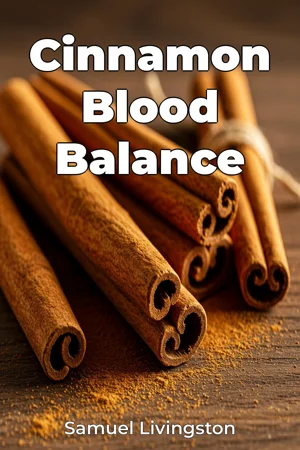
"Cinnamon Blood Balance" dives into the science and history behind cinnamon's potential role in managing blood sugar. It explores how compounds like cinnamaldehyde might improve insulin sensitivity, a key factor in glucose regulation. The book uniquely blends modern biological science with the ancient wisdom of traditional medicine systems like Ayurveda and Traditional Chinese Medicine, where cinnamon has long been valued for its health properties. Interestingly, cinnamon was once so prized it was worth more than gold, highlighting its historical significance. The book examines existing research, from lab studies to clinical trials, to assess cinnamon's impact on blood glucose, insulin, and overall metabolic health. It also delves into how different cultures have used cinnamon for centuries, seeking to validate traditional claims with scientific evidence. Through three parts, it progresses from explaining glucose metabolism to critically reviewing research and exploring cultural uses, ultimately offering a balanced perspective on incorporating cinnamon into a healthy lifestyle, while cautioning against unrealistic expectations and the need for medical guidance.
Book Details
ISBN
9788233973384
Publisher
Publifye AS
Your Licenses
You don't own any licenses for this book
Purchase a license below to unlock this book and download the EPUB.
Purchase License
Select a tier to unlock this book
Need bulk licensing?
Contact us for enterprise agreements.