
About This Book
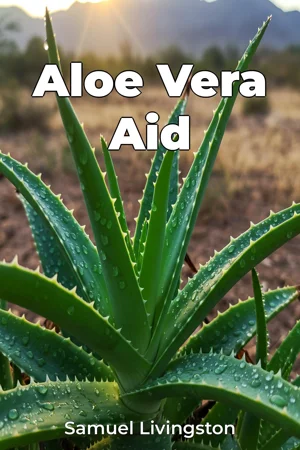
Have you ever wondered about the secrets held within the succulent leaves of the aloe vera plant? "Aloe Vera Aid" delves into the multifaceted world of aloe vera, exploring its applications from soothing skin irritations to aiding digestion, and tracing its historical significance across diverse cultures. This book addresses the growing interest in natural remedies and provides a comprehensive, evidence-based understanding of aloe vera's properties and potential benefits. The primary focus of "Aloe Vera Aid" is to provide an in-depth analysis of aloe vera's biological composition, its traditional uses documented worldwide, and contemporary scientific validation of its health benefits. Understanding these aspects is crucial because it empowers readers to make informed decisions about incorporating aloe vera into their wellness routines, based on solid evidence rather than unsubstantiated claims. The book also highlights the importance of distinguishing between various aloe vera products and understanding their respective efficacies. Historically, aloe vera has been revered for its medicinal properties across numerous civilizations, from ancient Egypt to traditional Chinese medicine. This book contextualizes its modern applications by examining the historical precedent for its use, providing a rich tapestry of cultural knowledge. Readers will gain insight into how different societies have utilized aloe vera throughout history, setting the stage for understanding its current role in health and wellness. "Aloe Vera Aid" argues that while aloe vera holds significant therapeutic potential, its benefits must be understood within the framework of scientific evidence and responsible usage. The book advocates for a balanced perspective, acknowledging both the potential benefits and the limitations of aloe vera, and emphasizes the need for further research to fully elucidate its mechanisms of action. The book is structured to guide the reader through a comprehensive exploration of aloe vera. It begins with an introduction to the plant's botany, chemical composition, and methods of cultivation. It then delves into the historical uses of aloe vera, drawing upon ethnobotanical studies and historical texts. The core of the book examines specific applications, such as its use in dermatology for treating burns, eczema, and psoriasis, and its potential role in promoting digestive health. Each application is supported by a review of relevant scientific studies and clinical trials. The book concludes with a discussion of potential risks, side effects, and optimal methods of incorporating aloe vera into a healthy lifestyle, discussing quality control in aloe vera products, and regulatory landscapes that impact product availability and consumer safety. The evidence presented in "Aloe Vera Aid" is drawn from a wide range of sources, including peer-reviewed scientific publications, clinical trial data, and systematic reviews. The book also incorporates insights from ethnobotanical studies and traditional medicine practices, providing a holistic perspective on aloe vera's uses. Meta-analyses of existing research are used to strengthen the conclusions drawn in each chapter. "Aloe Vera Aid" connects to several interdisciplinary fields, including botany, chemistry, dermatology, gastroenterology, and history of medicine. The botanical aspects explore the plant's biology. Chemistry explains the active compounds. Dermatology and gastroenterology explore health benefits. History of medicine explains the plant's traditional uses. These connections enrich the book's arguments by providing a more complete understanding of aloe vera from various perspectives. This book distinguishes itself by providing a critical and evidence-based analysis of aloe vera's properties. It moves beyond anecdotal evidence and popular myths, presenting a balanced and nuanced perspective supported by rigorous scientific research. The book provides an accessible and informative resource for healthcare professionals, researchers, and individuals interested in natural health remedies. The writing style is clear, concise, and accessible to a broad audience, while maintaining scientific rigor. The tone is informative and authoritative, presenting the information in an objective and unbiased manner. The target audience includes healthcare professionals seeking evidence-based information on natural therapies, researchers interested in the therapeutic potential of aloe vera, and individuals seeking to incorporate natural remedies into their wellness routines. This book is valuable to them because it provides a comprehensive and reliable resource on aloe vera, backed by scientific evidence. As a work of non-fiction in the health and science genres, "Aloe Vera Aid" adheres to the conventions of accuracy, objectivity, and evidence-based reasoning. The information presented is carefully sourced and critically evaluated to ensure its reliability. The scope of "Aloe Vera Aid" is limited to the scientific and historical aspects of aloe vera's uses and benefits. It does not delve into specific medical advice or treatment recommendations, as these are best addressed by qualified healthcare professionals. Readers can apply the information in this book to make informed decisions about incorporating aloe vera into their health and wellness routines. They can use the knowledge to evaluate the quality and efficacy of aloe vera products, and to understand the potential risks and benefits associated with its use. "Aloe Vera Aid" addresses the controversies surrounding the efficacy and safety of certain aloe vera products and applications. It examines the conflicting evidence regarding its use in certain conditions and provides a balanced assessment of the potential risks and benefits.
Have you ever wondered about the secrets held within the succulent leaves of the aloe vera plant? "Aloe Vera Aid" delves into the multifaceted world of aloe vera, exploring its applications from soothing skin irritations to aiding digestion, and tracing its historical significance across diverse cultures. This book addresses the growing interest in natural remedies and provides a comprehensive, evidence-based understanding of aloe vera's properties and potential benefits. The primary focus of "Aloe Vera Aid" is to provide an in-depth analysis of aloe vera's biological composition, its traditional uses documented worldwide, and contemporary scientific validation of its health benefits. Understanding these aspects is crucial because it empowers readers to make informed decisions about incorporating aloe vera into their wellness routines, based on solid evidence rather than unsubstantiated claims. The book also highlights the importance of distinguishing between various aloe vera products and understanding their respective efficacies. Historically, aloe vera has been revered for its medicinal properties across numerous civilizations, from ancient Egypt to traditional Chinese medicine. This book contextualizes its modern applications by examining the historical precedent for its use, providing a rich tapestry of cultural knowledge. Readers will gain insight into how different societies have utilized aloe vera throughout history, setting the stage for understanding its current role in health and wellness. "Aloe Vera Aid" argues that while aloe vera holds significant therapeutic potential, its benefits must be understood within the framework of scientific evidence and responsible usage. The book advocates for a balanced perspective, acknowledging both the potential benefits and the limitations of aloe vera, and emphasizes the need for further research to fully elucidate its mechanisms of action. The book is structured to guide the reader through a comprehensive exploration of aloe vera. It begins with an introduction to the plant's botany, chemical composition, and methods of cultivation. It then delves into the historical uses of aloe vera, drawing upon ethnobotanical studies and historical texts. The core of the book examines specific applications, such as its use in dermatology for treating burns, eczema, and psoriasis, and its potential role in promoting digestive health. Each application is supported by a review of relevant scientific studies and clinical trials. The book concludes with a discussion of potential risks, side effects, and optimal methods of incorporating aloe vera into a healthy lifestyle, discussing quality control in aloe vera products, and regulatory landscapes that impact product availability and consumer safety. The evidence presented in "Aloe Vera Aid" is drawn from a wide range of sources, including peer-reviewed scientific publications, clinical trial data, and systematic reviews. The book also incorporates insights from ethnobotanical studies and traditional medicine practices, providing a holistic perspective on aloe vera's uses. Meta-analyses of existing research are used to strengthen the conclusions drawn in each chapter. "Aloe Vera Aid" connects to several interdisciplinary fields, including botany, chemistry, dermatology, gastroenterology, and history of medicine. The botanical aspects explore the plant's biology. Chemistry explains the active compounds. Dermatology and gastroenterology explore health benefits. History of medicine explains the plant's traditional uses. These connections enrich the book's arguments by providing a more complete understanding of aloe vera from various perspectives. This book distinguishes itself by providing a critical and evidence-based analysis of aloe vera's properties. It moves beyond anecdotal evidence and popular myths, presenting a balanced and nuanced perspective supported by rigorous scientific research. The book provides an accessible and informative resource for healthcare professionals, researchers, and individuals interested in natural health remedies. The writing style is clear, concise, and accessible to a broad audience, while maintaining scientific rigor. The tone is informative and authoritative, presenting the information in an objective and unbiased manner. The target audience includes healthcare professionals seeking evidence-based information on natural therapies, researchers interested in the therapeutic potential of aloe vera, and individuals seeking to incorporate natural remedies into their wellness routines. This book is valuable to them because it provides a comprehensive and reliable resource on aloe vera, backed by scientific evidence. As a work of non-fiction in the health and science genres, "Aloe Vera Aid" adheres to the conventions of accuracy, objectivity, and evidence-based reasoning. The information presented is carefully sourced and critically evaluated to ensure its reliability. The scope of "Aloe Vera Aid" is limited to the scientific and historical aspects of aloe vera's uses and benefits. It does not delve into specific medical advice or treatment recommendations, as these are best addressed by qualified healthcare professionals. Readers can apply the information in this book to make informed decisions about incorporating aloe vera into their health and wellness routines. They can use the knowledge to evaluate the quality and efficacy of aloe vera products, and to understand the potential risks and benefits associated with its use. "Aloe Vera Aid" addresses the controversies surrounding the efficacy and safety of certain aloe vera products and applications. It examines the conflicting evidence regarding its use in certain conditions and provides a balanced assessment of the potential risks and benefits.
"Aloe Vera Aid" offers a comprehensive exploration of aloe vera, bridging its historical uses with contemporary science. This book delves into the plant's botany, its chemical composition, and explores the evidence-based health benefits, such as its soothing effects on skin irritations and potential as a digestion aid. Historically, aloe vera was used in ancient Egypt and traditional Chinese medicine, highlighting its lasting appeal as a natural remedy. The book progresses systematically, starting with the plant's origins and composition, then moving into how aloe vera has been used across different cultures. It provides an in-depth analysis of its applications in dermatology and gastroenterology, backed by scientific studies and clinical trials. By presenting a balanced perspective, "Aloe Vera Aid" distinguishes itself by critically examining both the advantages and limitations of aloe vera, making it a valuable resource for those interested in health, fitness, and science.
Book Details
ISBN
9788233973186
Publisher
Publifye AS
Your Licenses
You don't own any licenses for this book
Purchase a license below to unlock this book and download the EPUB.
Purchase License
Select a tier to unlock this book
Need bulk licensing?
Contact us for enterprise agreements.