
About This Book
Are you aware of the scientifically validated medicinal capabilities residing within the common herbs that surround us? "Global Herb Uses" aims to provide a comprehensive exploration of these applications, substantiated by rigorous research and presented within the intersecting domains of biology, life sciences, and health & fitness. This work serves as a vital resource for those seeking to understand the evidence-based potential of herbal medicine and its role in promoting well-being. This book delves into the chemical constituents responsible for the beneficial effects of various herbs, the biological mechanisms through which these compounds interact with the human body, and the clinical evidence supporting their use in treating or managing specific health conditions. These topics are paramount because they bridge the gap between traditional herbal knowledge and contemporary scientific understanding. Understanding these mechanisms provides a foundation for the responsible and effective integration of herbs into healthcare practices and personal wellness routines. Throughout history, diverse cultures have relied on herbs for healing and preventive care. While traditional knowledge forms a valuable foundation, it is imperative to critically evaluate these practices through the lens of modern science. An understanding of basic biological and chemical principles is beneficial but not essential. This book will provide the necessary context to interpret the presented research. The central argument of "Global Herb Uses" is that many common herbs possess genuine, scientifically verifiable medicinal properties that can contribute to improved health outcomes. This argument is critical because it moves beyond anecdotal evidence and highlights the importance of rigorous scientific investigation in validating and understanding the potential of herbal medicine. It emphasizes the need for informed decision-making, encouraging readers to distinguish between substantiated uses and unsubstantiated claims. The book's structure unfolds as follows: first, an introduction to the core concepts of phytochemistry, pharmacology, and clinical trial design. Second, the book examines specific herbs commonly used across the globe. Individual chapters will be dedicated to herbs such as turmeric, ginger, garlic, chamomile, and peppermint. Each chapter will explore the historical uses of the herb, its chemical composition, its known pharmacological effects, and a review of the clinical trials that have investigated its efficacy in treating specific conditions, such as inflammation, digestive disorders, cardiovascular health, and neurological function. Third, the book addresses the complexities and challenges associated with herbal medicine research, including issues related to standardization, dosage, potential drug interactions, and regulatory considerations. Finally, practical guidance is offered on how to responsibly incorporate herbs into one's healthcare regimen, emphasizing the importance of consulting with qualified healthcare professionals. The evidence presented within is drawn from a comprehensive review of peer-reviewed scientific literature, including clinical trials, meta-analyses, and pre-clinical studies. Databases such as PubMed, Scopus, and Cochrane Library are utilized to ensure a thorough and unbiased presentation of the available research. Furthermore, the book emphasizes the importance of understanding the limitations of current research and highlights areas where further investigation is needed. "Global Herb Uses" exists at the nexus of several disciplines, including botany, pharmacology, biochemistry, and medicine. By integrating knowledge from these fields, a more holistic understanding of herbal medicine can be achieved. This approach enhances the book's argument by demonstrating the interconnectedness of scientific disciplines in uncovering the potential of natural remedies. This book distinguishes itself by presenting a balanced and evidence-based perspective on herbal medicine, avoiding both unsubstantiated claims and unwarranted skepticism. It emphasizes the importance of scientific rigor in evaluating the efficacy and safety of herbal remedies, promoting informed decision-making among readers. The tone of the book is academic yet accessible, striving to present complex scientific information in a clear and engaging manner. Technical jargon is minimized, and explanations are provided to ensure that the material is understandable to a broad audience. The intended readership includes healthcare professionals, students in health-related fields, and individuals interested in incorporating evidence-based herbal remedies into their wellness practices. The book provides valuable information for anyone seeking to understand the scientific basis of herbal medicine and its potential role in promoting health. As a work of non-fiction, "Global Herb Uses" adheres to the conventions of accuracy, objectivity, and transparency. All claims are supported by credible evidence, and sources are meticulously cited. The book embraces the genre's commitment to conveying factual information in a clear and unbiased manner. The scope of the book is intentionally limited to herbs with a substantial body of scientific evidence supporting their medicinal uses. It does not cover all herbs used in traditional medicine, but focuses on those for which there is credible evidence of efficacy. The information contained within can be applied practically by readers seeking to make informed decisions about their health and wellness. It empowers individuals to engage in meaningful conversations with healthcare providers about the potential benefits and risks of herbal medicine. The book addresses existing debates surrounding the efficacy and safety of herbal medicine, acknowledging the challenges associated with research in this area. It promotes a critical and balanced perspective, encouraging readers to carefully evaluate the available evidence before making decisions about their healthcare.
Are you aware of the scientifically validated medicinal capabilities residing within the common herbs that surround us? "Global Herb Uses" aims to provide a comprehensive exploration of these applications, substantiated by rigorous research and presented within the intersecting domains of biology, life sciences, and health & fitness. This work serves as a vital resource for those seeking to understand the evidence-based potential of herbal medicine and its role in promoting well-being. This book delves into the chemical constituents responsible for the beneficial effects of various herbs, the biological mechanisms through which these compounds interact with the human body, and the clinical evidence supporting their use in treating or managing specific health conditions. These topics are paramount because they bridge the gap between traditional herbal knowledge and contemporary scientific understanding. Understanding these mechanisms provides a foundation for the responsible and effective integration of herbs into healthcare practices and personal wellness routines. Throughout history, diverse cultures have relied on herbs for healing and preventive care. While traditional knowledge forms a valuable foundation, it is imperative to critically evaluate these practices through the lens of modern science. An understanding of basic biological and chemical principles is beneficial but not essential. This book will provide the necessary context to interpret the presented research. The central argument of "Global Herb Uses" is that many common herbs possess genuine, scientifically verifiable medicinal properties that can contribute to improved health outcomes. This argument is critical because it moves beyond anecdotal evidence and highlights the importance of rigorous scientific investigation in validating and understanding the potential of herbal medicine. It emphasizes the need for informed decision-making, encouraging readers to distinguish between substantiated uses and unsubstantiated claims. The book's structure unfolds as follows: first, an introduction to the core concepts of phytochemistry, pharmacology, and clinical trial design. Second, the book examines specific herbs commonly used across the globe. Individual chapters will be dedicated to herbs such as turmeric, ginger, garlic, chamomile, and peppermint. Each chapter will explore the historical uses of the herb, its chemical composition, its known pharmacological effects, and a review of the clinical trials that have investigated its efficacy in treating specific conditions, such as inflammation, digestive disorders, cardiovascular health, and neurological function. Third, the book addresses the complexities and challenges associated with herbal medicine research, including issues related to standardization, dosage, potential drug interactions, and regulatory considerations. Finally, practical guidance is offered on how to responsibly incorporate herbs into one's healthcare regimen, emphasizing the importance of consulting with qualified healthcare professionals. The evidence presented within is drawn from a comprehensive review of peer-reviewed scientific literature, including clinical trials, meta-analyses, and pre-clinical studies. Databases such as PubMed, Scopus, and Cochrane Library are utilized to ensure a thorough and unbiased presentation of the available research. Furthermore, the book emphasizes the importance of understanding the limitations of current research and highlights areas where further investigation is needed. "Global Herb Uses" exists at the nexus of several disciplines, including botany, pharmacology, biochemistry, and medicine. By integrating knowledge from these fields, a more holistic understanding of herbal medicine can be achieved. This approach enhances the book's argument by demonstrating the interconnectedness of scientific disciplines in uncovering the potential of natural remedies. This book distinguishes itself by presenting a balanced and evidence-based perspective on herbal medicine, avoiding both unsubstantiated claims and unwarranted skepticism. It emphasizes the importance of scientific rigor in evaluating the efficacy and safety of herbal remedies, promoting informed decision-making among readers. The tone of the book is academic yet accessible, striving to present complex scientific information in a clear and engaging manner. Technical jargon is minimized, and explanations are provided to ensure that the material is understandable to a broad audience. The intended readership includes healthcare professionals, students in health-related fields, and individuals interested in incorporating evidence-based herbal remedies into their wellness practices. The book provides valuable information for anyone seeking to understand the scientific basis of herbal medicine and its potential role in promoting health. As a work of non-fiction, "Global Herb Uses" adheres to the conventions of accuracy, objectivity, and transparency. All claims are supported by credible evidence, and sources are meticulously cited. The book embraces the genre's commitment to conveying factual information in a clear and unbiased manner. The scope of the book is intentionally limited to herbs with a substantial body of scientific evidence supporting their medicinal uses. It does not cover all herbs used in traditional medicine, but focuses on those for which there is credible evidence of efficacy. The information contained within can be applied practically by readers seeking to make informed decisions about their health and wellness. It empowers individuals to engage in meaningful conversations with healthcare providers about the potential benefits and risks of herbal medicine. The book addresses existing debates surrounding the efficacy and safety of herbal medicine, acknowledging the challenges associated with research in this area. It promotes a critical and balanced perspective, encouraging readers to carefully evaluate the available evidence before making decisions about their healthcare.
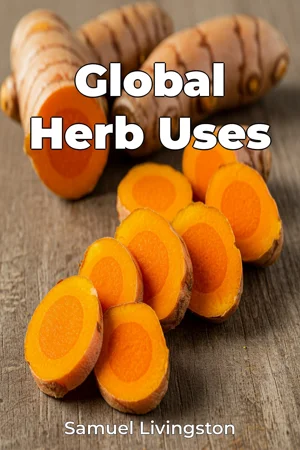
"Global Herb Uses" explores the scientifically validated medicinal properties of common herbs, bridging traditional knowledge with modern science. It delves into how herbs like turmeric, ginger, garlic, and chamomile interact with our bodies at a biological and chemical level. The book emphasizes the importance of understanding phytochemistry and pharmacology to make informed decisions about incorporating these herbs, often used in herbal medicine, into health and wellness routines. The book progresses by first introducing core concepts, then examining specific herbs and their historical uses, chemical compositions, pharmacological effects, and clinical trial results. It also addresses challenges in herbal medicine research, such as standardization and potential drug interactions. By providing this evidence-based perspective, "Global Herb Uses" empowers readers to distinguish between substantiated claims and anecdotal evidence, offering practical guidance on responsible integration of herbs into healthcare.
Book Details
ISBN
9788233973100
Publisher
Publifye AS
Your Licenses
You don't own any licenses for this book
Purchase a license below to unlock this book and download the EPUB.
Purchase License
Select a tier to unlock this book
Need bulk licensing?
Contact us for enterprise agreements.