
About This Book
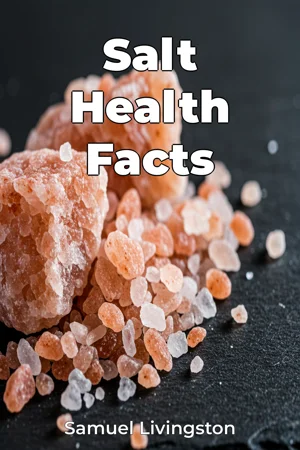
Are you truly aware of the multifaceted role salt plays in your health and well-being? This book, "Salt Health Facts," delves into the documented benefits of various salt types, offering a comprehensive exploration of a substance often oversimplified and misunderstood. The book aims to illuminate the crucial distinctions between different types of salt and their respective impacts on the human body, clarifying misconceptions surrounding sodium intake and emphasizing salt’s vital role in physiological processes. This exploration is significant because, despite widespread demonization, salt is essential for life. It impacts everything from nerve function and hydration to nutrient absorption and cellular communication. Understanding the nuances of different salt types – such as Himalayan pink salt, sea salt, and refined table salt – empowers readers to make informed dietary choices. We will explore the historical context of salt production and trade, highlighting its societal impact and how that has influenced modern dietary habits. No prior expertise in biology or nutrition is required; we will explain complex scientific concepts in an accessible manner. The central argument of "Salt Health Facts" asserts that not all salts are created equal and that understanding their unique compositions and effects is crucial for optimizing health. This argument is important because current dietary guidelines often provide generalized recommendations about sodium intake without acknowledging the varying nutritional profiles of different salts. The book unfolds systematically. It begins by introducing the fundamental chemistry of salt, defining sodium and chloride's roles in human physiology. We then dissect the distinct characteristics of various salt types, examining their mineral content and processing methods. The book develops its argument through three major sections: Firstly, it investigates the specific health benefits associated with different salt varieties, such as the trace mineral contributions of unrefined salts. Secondly, it analyzes the potential risks of excessive sodium intake, differentiating these risks based on salt type and individual health conditions. Thirdly, it explores the practical applications of salt in culinary practices and therapeutic remedies, providing guidelines for incorporating salt into a balanced diet. The culmination of these arguments emphasizes the need for personalized salt consumption strategies based on individual needs and health goals. Evidence presented in this book relies on peer-reviewed scientific studies, nutritional analyses, and historical research. The book references data from reputable sources, including clinical trials and epidemiological studies, to support its claims. We approach the topic with an objective lens, acknowledging both the benefits and risks associated with salt consumption. "Salt Health Facts" connects to other fields like nutrition science, culinary arts, and even history. Understanding salt from these different perspectives allows for a more enriched and comprehensive analysis. This book stands out by providing a balanced, evidence-based analysis of salt’s complexities, moving beyond simplistic narratives. The book is written in a professional yet accessible style, aiming to inform and empower readers without overwhelming them with technical jargon. The target audience includes health-conscious individuals, culinary enthusiasts, and anyone seeking a deeper understanding of the role salt plays in their well-being. The content directly addresses common health and fitness interests related to diet and nutrition. The scope of this book is limited to the health-related aspects of salt consumption. While the book touches on culinary applications, it does not delve into advanced cooking techniques or recipes. We will address the ongoing debates surrounding sodium recommendations and the conflicting evidence regarding the optimal level of salt intake. Readers can apply the information in this book to make informed choices about their salt consumption, optimizing their diet for improved health and well-being. Individuals will be able to assess the types of salt they currently consume and identify healthier alternatives based on their individual needs and circumstances.
Are you truly aware of the multifaceted role salt plays in your health and well-being? This book, "Salt Health Facts," delves into the documented benefits of various salt types, offering a comprehensive exploration of a substance often oversimplified and misunderstood. The book aims to illuminate the crucial distinctions between different types of salt and their respective impacts on the human body, clarifying misconceptions surrounding sodium intake and emphasizing salt’s vital role in physiological processes. This exploration is significant because, despite widespread demonization, salt is essential for life. It impacts everything from nerve function and hydration to nutrient absorption and cellular communication. Understanding the nuances of different salt types – such as Himalayan pink salt, sea salt, and refined table salt – empowers readers to make informed dietary choices. We will explore the historical context of salt production and trade, highlighting its societal impact and how that has influenced modern dietary habits. No prior expertise in biology or nutrition is required; we will explain complex scientific concepts in an accessible manner. The central argument of "Salt Health Facts" asserts that not all salts are created equal and that understanding their unique compositions and effects is crucial for optimizing health. This argument is important because current dietary guidelines often provide generalized recommendations about sodium intake without acknowledging the varying nutritional profiles of different salts. The book unfolds systematically. It begins by introducing the fundamental chemistry of salt, defining sodium and chloride's roles in human physiology. We then dissect the distinct characteristics of various salt types, examining their mineral content and processing methods. The book develops its argument through three major sections: Firstly, it investigates the specific health benefits associated with different salt varieties, such as the trace mineral contributions of unrefined salts. Secondly, it analyzes the potential risks of excessive sodium intake, differentiating these risks based on salt type and individual health conditions. Thirdly, it explores the practical applications of salt in culinary practices and therapeutic remedies, providing guidelines for incorporating salt into a balanced diet. The culmination of these arguments emphasizes the need for personalized salt consumption strategies based on individual needs and health goals. Evidence presented in this book relies on peer-reviewed scientific studies, nutritional analyses, and historical research. The book references data from reputable sources, including clinical trials and epidemiological studies, to support its claims. We approach the topic with an objective lens, acknowledging both the benefits and risks associated with salt consumption. "Salt Health Facts" connects to other fields like nutrition science, culinary arts, and even history. Understanding salt from these different perspectives allows for a more enriched and comprehensive analysis. This book stands out by providing a balanced, evidence-based analysis of salt’s complexities, moving beyond simplistic narratives. The book is written in a professional yet accessible style, aiming to inform and empower readers without overwhelming them with technical jargon. The target audience includes health-conscious individuals, culinary enthusiasts, and anyone seeking a deeper understanding of the role salt plays in their well-being. The content directly addresses common health and fitness interests related to diet and nutrition. The scope of this book is limited to the health-related aspects of salt consumption. While the book touches on culinary applications, it does not delve into advanced cooking techniques or recipes. We will address the ongoing debates surrounding sodium recommendations and the conflicting evidence regarding the optimal level of salt intake. Readers can apply the information in this book to make informed choices about their salt consumption, optimizing their diet for improved health and well-being. Individuals will be able to assess the types of salt they currently consume and identify healthier alternatives based on their individual needs and circumstances.
"Salt Health Facts" explores the often-misunderstood role of salt in our health, moving beyond simple sodium intake recommendations to examine the distinct impacts of various salt types. It highlights that not all salts are created equal; for example, unrefined salts can offer trace minerals not found in processed table salt. The book emphasizes salt's necessity for physiological processes like nerve function and hydration, challenging the widespread demonization of this essential mineral. The book systematically progresses from the chemistry of salt to detailed analyses of different varieties, such as Himalayan pink salt and sea salt, considering their mineral content and processing methods. It investigates the health benefits associated with specific salt types, while also addressing the potential risks of excessive sodium intake, tailored to individual health conditions. Ultimately, it advocates for personalized salt consumption strategies, empowering readers to optimize their diet based on their unique needs and health goals.
Book Details
ISBN
9788233973094
Publisher
Publifye AS
Your Licenses
You don't own any licenses for this book
Purchase a license below to unlock this book and download the EPUB.
Purchase License
Select a tier to unlock this book
Need bulk licensing?
Contact us for enterprise agreements.