
About This Book
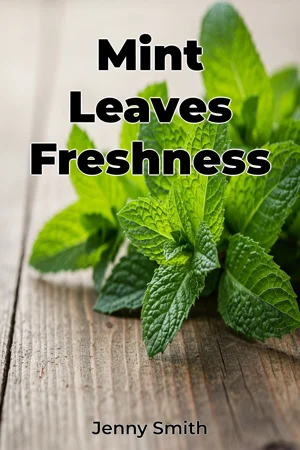
Did you know that the simple mint leaf, often relegated to a garnish or breath freshener, holds a surprising depth of therapeutic and culinary potential? "Mint Leaves Freshness" delves into the multifaceted world of mint, exploring its historical significance, medicinal properties, and diverse applications in both the kitchen and traditional healing practices. This book is designed to be an informative guide for anyone interested in understanding and harnessing the power of this readily available herb. This book focuses on three key areas: the historical and cultural context of mint use, mint's scientifically-backed impact on digestive health, and the practical application of mint in cooking and home remedies. Understanding these areas is crucial because mint, beyond its refreshing flavor, offers tangible benefits for well-being and provides a fascinating glimpse into the intersection of food, medicine, and culture. The narrative is contextualized by examining the history of mint cultivation and utilization across various civilizations and the evolution of its perceived medicinal value over centuries. The central argument of "Mint Leaves Freshness" is that mint, due to its unique chemical composition and versatility, represents a valuable and accessible resource for promoting digestive wellness and enhancing culinary creations. The book supports this argument by exploring the scientific basis for mint's effects on gastrointestinal function and providing practical guidance on incorporating mint into daily life. The book begins by introducing the botanical characteristics of various mint species and tracing their origins in ancient cultures, highlighting how different societies have historically used mint for both culinary and medicinal purposes. The development of ideas proceeds in three major sections. First, it explores the science behind mint's digestive benefits, examining the mechanisms by which mint compounds like menthol can alleviate symptoms of indigestion, bloating, and irritable bowel syndrome (IBS). This section analyzes existing research studies, clinical trials, and traditional uses of mint for gastrointestinal relief. Second, the book transitions to the culinary realm, offering a comprehensive guide to using fresh mint in a variety of dishes, from refreshing beverages and salads to savory sauces and desserts. This section includes practical tips on growing, storing, and preparing mint to maximize its flavor and nutritional value. Finally, the book delves into home remedies, providing step-by-step instructions for creating mint-infused teas, oils, and compresses for addressing common ailments such as headaches, skin irritations, and respiratory congestion. The culmination of the argument emphasizes that mint, when used thoughtfully and informed by scientific understanding, can significantly contribute to overall health and well-being. The evidence presented throughout the book draws from a diverse range of sources, including peer-reviewed scientific articles, historical texts on herbal medicine, and culinary treatises. The book also incorporates practical insights gleaned from interviews with herbalists, chefs, and individuals who have personally experienced the benefits of mint. The book's exploration of mint's benefits extends beyond the domains of cooking and health, connecting to fields such as botany, history, and pharmacology. For instance, the botanical classification of mint species informs the understanding of their varying chemical compositions, while historical accounts shed light on the cultural significance of mint across different societies. Furthermore, the pharmacological properties of mint compounds are examined in relation to their effects on the human body. "Mint Leaves Freshness" distinguishes itself through its holistic approach, integrating scientific research, historical context, and practical applications to provide a comprehensive understanding of mint. The book employs a conversational and accessible writing style, making complex information easy to grasp for a wide audience. The intended readership includes home cooks, health enthusiasts, gardeners, and anyone interested in exploring the natural remedies. The book's appeal lies in its practical advice, evidence-based information, and engaging presentation, rendering it a valuable resource for those seeking to enhance their culinary skills and well-being through the power of mint. As a non-fiction work focusing on health and cooking, the book adheres to genre-specific elements such as clear sourcing, accurate information, and practical, actionable advice. The scope of the book is intentionally limited to the culinary and medicinal applications of fresh mint leaves, excluding other forms of mint extracts or supplements. Readers can apply the information in the book to improve their digestive health, enhance their culinary creations, and create simple home remedies for common ailments. While the book acknowledges that mint can be a helpful tool for managing digestive discomfort, it also addresses potential controversies or debates surrounding its use, such as the possibility of triggering heartburn in some individuals.
Did you know that the simple mint leaf, often relegated to a garnish or breath freshener, holds a surprising depth of therapeutic and culinary potential? "Mint Leaves Freshness" delves into the multifaceted world of mint, exploring its historical significance, medicinal properties, and diverse applications in both the kitchen and traditional healing practices. This book is designed to be an informative guide for anyone interested in understanding and harnessing the power of this readily available herb. This book focuses on three key areas: the historical and cultural context of mint use, mint's scientifically-backed impact on digestive health, and the practical application of mint in cooking and home remedies. Understanding these areas is crucial because mint, beyond its refreshing flavor, offers tangible benefits for well-being and provides a fascinating glimpse into the intersection of food, medicine, and culture. The narrative is contextualized by examining the history of mint cultivation and utilization across various civilizations and the evolution of its perceived medicinal value over centuries. The central argument of "Mint Leaves Freshness" is that mint, due to its unique chemical composition and versatility, represents a valuable and accessible resource for promoting digestive wellness and enhancing culinary creations. The book supports this argument by exploring the scientific basis for mint's effects on gastrointestinal function and providing practical guidance on incorporating mint into daily life. The book begins by introducing the botanical characteristics of various mint species and tracing their origins in ancient cultures, highlighting how different societies have historically used mint for both culinary and medicinal purposes. The development of ideas proceeds in three major sections. First, it explores the science behind mint's digestive benefits, examining the mechanisms by which mint compounds like menthol can alleviate symptoms of indigestion, bloating, and irritable bowel syndrome (IBS). This section analyzes existing research studies, clinical trials, and traditional uses of mint for gastrointestinal relief. Second, the book transitions to the culinary realm, offering a comprehensive guide to using fresh mint in a variety of dishes, from refreshing beverages and salads to savory sauces and desserts. This section includes practical tips on growing, storing, and preparing mint to maximize its flavor and nutritional value. Finally, the book delves into home remedies, providing step-by-step instructions for creating mint-infused teas, oils, and compresses for addressing common ailments such as headaches, skin irritations, and respiratory congestion. The culmination of the argument emphasizes that mint, when used thoughtfully and informed by scientific understanding, can significantly contribute to overall health and well-being. The evidence presented throughout the book draws from a diverse range of sources, including peer-reviewed scientific articles, historical texts on herbal medicine, and culinary treatises. The book also incorporates practical insights gleaned from interviews with herbalists, chefs, and individuals who have personally experienced the benefits of mint. The book's exploration of mint's benefits extends beyond the domains of cooking and health, connecting to fields such as botany, history, and pharmacology. For instance, the botanical classification of mint species informs the understanding of their varying chemical compositions, while historical accounts shed light on the cultural significance of mint across different societies. Furthermore, the pharmacological properties of mint compounds are examined in relation to their effects on the human body. "Mint Leaves Freshness" distinguishes itself through its holistic approach, integrating scientific research, historical context, and practical applications to provide a comprehensive understanding of mint. The book employs a conversational and accessible writing style, making complex information easy to grasp for a wide audience. The intended readership includes home cooks, health enthusiasts, gardeners, and anyone interested in exploring the natural remedies. The book's appeal lies in its practical advice, evidence-based information, and engaging presentation, rendering it a valuable resource for those seeking to enhance their culinary skills and well-being through the power of mint. As a non-fiction work focusing on health and cooking, the book adheres to genre-specific elements such as clear sourcing, accurate information, and practical, actionable advice. The scope of the book is intentionally limited to the culinary and medicinal applications of fresh mint leaves, excluding other forms of mint extracts or supplements. Readers can apply the information in the book to improve their digestive health, enhance their culinary creations, and create simple home remedies for common ailments. While the book acknowledges that mint can be a helpful tool for managing digestive discomfort, it also addresses potential controversies or debates surrounding its use, such as the possibility of triggering heartburn in some individuals.
"Mint Leaves Freshness" explores the surprising therapeutic and culinary potential of mint, an herb often underestimated. Beyond its use as a simple garnish, mint boasts a rich history and diverse applications, particularly in promoting digestive health and enhancing culinary creations. Did you know that mint has been used for centuries across various civilizations, not just for its refreshing flavor, but also for its medicinal properties? The book delves into the science behind mint's benefits, examining how compounds like menthol can alleviate indigestion and bloating. The book progresses by first introducing the botanical characteristics and historical uses of mint, then transitioning to its impact on digestive health, and finally, offering a comprehensive guide to using fresh mint in cooking and home remedies. "Mint Leaves Freshness" stands out by integrating scientific research, historical context, and practical applications, providing readers with a holistic understanding of mint. With practical tips on growing, storing, and preparing mint, readers can learn to maximize its flavor and nutritional value, as well as create mint-infused teas and oils for common ailments.
Book Details
ISBN
9788233973001
Publisher
Publifye AS
Your Licenses
You don't own any licenses for this book
Purchase a license below to unlock this book and download the EPUB.
Purchase License
Select a tier to unlock this book
Need bulk licensing?
Contact us for enterprise agreements.