
About This Book
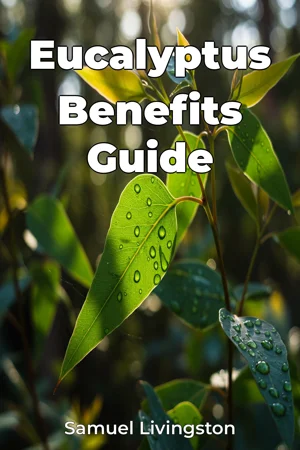
Are you aware of the diverse health benefits hidden within the leaves of the eucalyptus tree, a plant deeply rooted in Australian history and increasingly recognized globally for its medicinal properties? This book, "Eucalyptus Benefits Guide," delves into the scientific basis of eucalyptus's therapeutic potential, bridging traditional knowledge with modern research to offer a comprehensive understanding of its applications in health and well-being. The book will explore three primary areas: the respiratory benefits of eucalyptus, its potent antimicrobial actions, and its broader applications in personal healthcare. These topics are significant because respiratory ailments and microbial infections remain major global health concerns, with eucalyptus offering a natural, accessible, and potentially effective complementary treatment option. Furthermore, the increasing interest in natural remedies and preventative healthcare underscores the relevance of understanding eucalyptus's full potential. "Eucalyptus Benefits Guide" aims to present a balanced view, drawing from both historical uses by Indigenous Australians and contemporary scientific studies conducted worldwide. The core argument is that eucalyptus, when used responsibly and with informed understanding, can be a valuable tool in promoting respiratory health and combating microbial threats. This argument is vital given the rise of antibiotic resistance and the search for alternative therapies. The book is structured into three main parts. Initially, it introduces the botany and history of eucalyptus, providing a foundation for understanding its diverse chemical composition. The second part examines the respiratory applications, detailing how eucalyptus oil and its components, such as eucalyptol (1,8-cineole), can alleviate symptoms of conditions like bronchitis, sinusitis, and asthma. This section will review clinical trials and pharmacological studies demonstrating the mechanisms of action, including mucolytic, anti-inflammatory, and bronchodilatory effects. The third part focuses on eucalyptus’s antimicrobial properties, exploring its effectiveness against various bacteria, fungi, and viruses. It will analyze research on eucalyptus oil's ability to inhibit microbial growth and its potential role in wound healing and infection control. A concluding section discusses the safe and effective use of eucalyptus products, including different forms (oils, extracts, infusions) and methods of application (inhalation, topical use), while also addressing potential side effects and contraindications. This section emphasizes responsible usage. The evidence presented includes analysis of peer-reviewed research articles from medical journals, pharmacological studies, and ethnobotanical surveys documenting the traditional uses of eucalyptus. The book emphasizes studies conducted in Australia, where eucalyptus is native, and comparing those findings with global research. The book connects to other fields, including botany, pharmacology, immunology, and respiratory medicine. Understanding the botany helps appreciate the diversity of eucalyptus species and their varying chemical profiles. Insights from pharmacology explain how eucalyptus compounds interact with the body. Immunology provides a framework for understanding its anti-inflammatory actions, and respiratory medicine contextualizes its clinical applications. A unique element of this book is its integrated approach, combining traditional knowledge with rigorous scientific analysis. The aim is not simply to promote eucalyptus as a cure-all but to provide readers with the knowledge to make informed decisions about its use, understanding both its benefits and limitations. The tone will be informative and accessible, avoiding overly technical jargon while remaining grounded in scientific accuracy. The writing style is direct and clear, designed to make complex information understandable to a broad audience. The target audience includes individuals interested in natural health remedies, healthcare professionals seeking to expand their knowledge of complementary therapies, and anyone looking for evidence-based information on the health benefits of eucalyptus. The book would appeal to readers seeking practical advice and a deeper understanding of natural medicine. As a book in the Health & Fitness, Biology, and Science Life Sciences genres, it is expected to be factual, evidence-based, and scientifically sound, with clear references and a balanced perspective. The scope of the book is intentionally limited to the health benefits of eucalyptus, excluding its applications in other areas such as construction or landscaping. This focused approach allows for an in-depth exploration of its medicinal properties. The information contained can be directly applied by readers in various ways, from using eucalyptus oil for aromatherapy to alleviate congestion to understanding its role in skincare for its antimicrobial effects. The book aims to empower readers to integrate eucalyptus into their wellness routines safely and effectively. While eucalyptus is generally considered safe for most people when used appropriately, some controversies exist regarding its potential toxicity if ingested in large quantities or its interactions with certain medications. The book will address these concerns, providing a balanced assessment of the risks and benefits.
Are you aware of the diverse health benefits hidden within the leaves of the eucalyptus tree, a plant deeply rooted in Australian history and increasingly recognized globally for its medicinal properties? This book, "Eucalyptus Benefits Guide," delves into the scientific basis of eucalyptus's therapeutic potential, bridging traditional knowledge with modern research to offer a comprehensive understanding of its applications in health and well-being. The book will explore three primary areas: the respiratory benefits of eucalyptus, its potent antimicrobial actions, and its broader applications in personal healthcare. These topics are significant because respiratory ailments and microbial infections remain major global health concerns, with eucalyptus offering a natural, accessible, and potentially effective complementary treatment option. Furthermore, the increasing interest in natural remedies and preventative healthcare underscores the relevance of understanding eucalyptus's full potential. "Eucalyptus Benefits Guide" aims to present a balanced view, drawing from both historical uses by Indigenous Australians and contemporary scientific studies conducted worldwide. The core argument is that eucalyptus, when used responsibly and with informed understanding, can be a valuable tool in promoting respiratory health and combating microbial threats. This argument is vital given the rise of antibiotic resistance and the search for alternative therapies. The book is structured into three main parts. Initially, it introduces the botany and history of eucalyptus, providing a foundation for understanding its diverse chemical composition. The second part examines the respiratory applications, detailing how eucalyptus oil and its components, such as eucalyptol (1,8-cineole), can alleviate symptoms of conditions like bronchitis, sinusitis, and asthma. This section will review clinical trials and pharmacological studies demonstrating the mechanisms of action, including mucolytic, anti-inflammatory, and bronchodilatory effects. The third part focuses on eucalyptus’s antimicrobial properties, exploring its effectiveness against various bacteria, fungi, and viruses. It will analyze research on eucalyptus oil's ability to inhibit microbial growth and its potential role in wound healing and infection control. A concluding section discusses the safe and effective use of eucalyptus products, including different forms (oils, extracts, infusions) and methods of application (inhalation, topical use), while also addressing potential side effects and contraindications. This section emphasizes responsible usage. The evidence presented includes analysis of peer-reviewed research articles from medical journals, pharmacological studies, and ethnobotanical surveys documenting the traditional uses of eucalyptus. The book emphasizes studies conducted in Australia, where eucalyptus is native, and comparing those findings with global research. The book connects to other fields, including botany, pharmacology, immunology, and respiratory medicine. Understanding the botany helps appreciate the diversity of eucalyptus species and their varying chemical profiles. Insights from pharmacology explain how eucalyptus compounds interact with the body. Immunology provides a framework for understanding its anti-inflammatory actions, and respiratory medicine contextualizes its clinical applications. A unique element of this book is its integrated approach, combining traditional knowledge with rigorous scientific analysis. The aim is not simply to promote eucalyptus as a cure-all but to provide readers with the knowledge to make informed decisions about its use, understanding both its benefits and limitations. The tone will be informative and accessible, avoiding overly technical jargon while remaining grounded in scientific accuracy. The writing style is direct and clear, designed to make complex information understandable to a broad audience. The target audience includes individuals interested in natural health remedies, healthcare professionals seeking to expand their knowledge of complementary therapies, and anyone looking for evidence-based information on the health benefits of eucalyptus. The book would appeal to readers seeking practical advice and a deeper understanding of natural medicine. As a book in the Health & Fitness, Biology, and Science Life Sciences genres, it is expected to be factual, evidence-based, and scientifically sound, with clear references and a balanced perspective. The scope of the book is intentionally limited to the health benefits of eucalyptus, excluding its applications in other areas such as construction or landscaping. This focused approach allows for an in-depth exploration of its medicinal properties. The information contained can be directly applied by readers in various ways, from using eucalyptus oil for aromatherapy to alleviate congestion to understanding its role in skincare for its antimicrobial effects. The book aims to empower readers to integrate eucalyptus into their wellness routines safely and effectively. While eucalyptus is generally considered safe for most people when used appropriately, some controversies exist regarding its potential toxicity if ingested in large quantities or its interactions with certain medications. The book will address these concerns, providing a balanced assessment of the risks and benefits.
"Eucalyptus Benefits Guide" explores the science-backed health benefits of eucalyptus, merging traditional uses with modern research. It examines eucalyptus's role in respiratory health, highlighting its potential to alleviate symptoms of conditions like bronchitis and sinusitis, thanks to its anti-inflammatory and mucolytic properties. The book also delves into eucalyptus oil's antimicrobial actions, discussing its effectiveness against various bacteria and its potential in wound healing. The book uniquely combines ethnobotanical knowledge with rigorous scientific analysis, moving from the botany and history of eucalyptus to its medicinal applications. Readers will discover how eucalyptol, a key component, contributes to its therapeutic effects. The content progresses systematically, first introducing eucalyptus, then exploring its respiratory benefits, followed by its antimicrobial properties, and concluding with guidelines for safe and effective use. This comprehensive guide emphasizes responsible usage, providing readers with the knowledge to make informed decisions about incorporating eucalyptus into their wellness routines. It offers a balanced view of the risks and benefits, addressing potential side effects and contraindications, making it a valuable resource for those interested in natural remedies and preventative healthcare.
Book Details
ISBN
9788233972950
Publisher
Publifye AS
Your Licenses
You don't own any licenses for this book
Purchase a license below to unlock this book and download the EPUB.
Purchase License
Select a tier to unlock this book
Need bulk licensing?
Contact us for enterprise agreements.