
About This Book
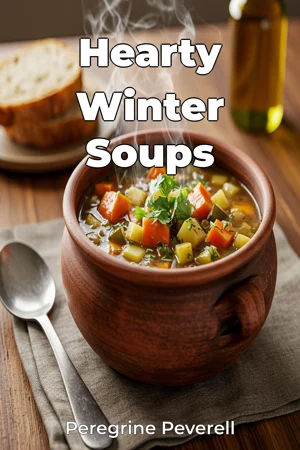
What if the secret to surviving winter's chill lies not just in layering clothes, but in the warmth radiating from a bowl of thoughtfully prepared soup? "Hearty Winter Soups" delves into the art and science of creating deeply satisfying soups designed to nourish body and soul during the coldest months. This book explores the warming properties of specific ingredients, the transformative effects of slow-simmering techniques, and the rich culinary traditions born from necessity in cold climates. These topics are important because they offer a practical and enjoyable way to connect with seasonal eating, promote well-being, and rediscover the comforting power of traditional foods. "Hearty Winter Soups" provides a culinary and cultural exploration of how communities in colder regions have historically utilized soups as a cornerstone of their diets. Understanding these traditions offers insight into the resourceful ways various cultures have adapted to their environments, highlighting techniques for preserving ingredients and maximizing nutritional value during times of scarcity. The book’s central argument posits that crafting hearty winter soups is more than just cooking; it’s a mindful act of self-care and a connection to centuries-old methods of nourishing oneself and one's community. This argument is important because it elevates soup-making from a mundane task to a meaningful practice rooted in history and well-being. The book unfolds in a structured manner, beginning with an introduction to the core principles of winter soup-making. This section covers foundational elements like selecting seasonal vegetables, understanding the flavor profiles of different meats and legumes, and harnessing the power of aromatic herbs and spices. The book then progresses through three major sections. The first delves into "Building Blocks of Flavor," exploring ingredients known for their warming properties, such as root vegetables, warming spices, and bone broths, and teaches you how to extract depth and complexity through browning and layering techniques. The second focuses on "Slow Simmering and its Benefits," explaining the science behind slow-cooked soups and stews, and showing you how to unlock deeper flavors and tenderize tough cuts of meat. Here you will learn about the Maillard reaction and collagen breakdown with the right equipment for consistent results. The third section, "Traditions from Around the World," presents a diverse collection of recipes inspired by cold-climate cuisines from Scandinavia to Eastern Europe, showcasing how different cultures have adapted soup-making to their unique environments and available resources. Finally, the book culminates in a practical guide to adapting these techniques to your own kitchen, providing tips for meal prepping, batch cooking, and customizing recipes to suit individual dietary needs and preferences. To support its arguments, "Hearty Winter Soups" draws upon a range of evidence, including historical culinary texts, nutritional studies on the benefits of specific ingredients, and firsthand accounts from chefs and cooks specializing in traditional soup-making. It incorporates data on the nutritional content of various ingredients and analysis of the impact of slow cooking on nutrient bioavailability. The book also connects to other fields, particularly nutrition, history, and anthropology. It highlights the nutritional value of soups as a source of vitamins, minerals, and fiber. The book draws from historical and anthropological research to illustrate how different cultures have used soup as a staple food and a symbol of community. These connections enrich the book’s argument by providing a broader understanding of the cultural and health implications of soup-making. "Hearty Winter Soups" offers a unique perspective by combining practical cooking advice with a deep appreciation for the cultural and historical significance of soup. It moves beyond simply providing recipes to offer a holistic understanding of how soup can nourish both body and soul. The tone is conversational and approachable, designed to empower readers to experiment and adapt recipes to their own tastes and preferences. The target audience includes home cooks of all skill levels who are interested in seasonal eating, healthy cooking, and exploring culinary traditions. It will also appeal to individuals seeking practical ways to incorporate more nourishing foods into their diets, as well as those interested in the history and culture of food. As a cookbook, "Hearty Winter Soups" balances detailed recipes with engaging storytelling and historical context. It aims to provide not just instructions, but also inspiration and a deeper appreciation for the art of soup-making. The scope of the book focuses on soups suitable for the winter months and primarily addresses culinary traditions from colder climates. While it touches upon the nutritional aspects of soup, it does not delve into highly specialized dietary restrictions or medical advice. Instead, it provides practical guidance for adapting recipes to common dietary needs. The information contained within "Hearty Winter Soups" can be applied in everyday life to create comforting and nutritious meals, reduce food waste by utilizing leftover ingredients, and connect with culinary traditions from around the world. The book also presents a guide to stocking your pantry for efficient meal prepping and batch cooking to save you time and money. While the benefits of soup consumption are generally accepted, the discussions around the ethical sourcing of meat and the environmental impact of certain ingredients are addressed, encouraging readers to make informed choices and consider sustainable practices in their cooking.
What if the secret to surviving winter's chill lies not just in layering clothes, but in the warmth radiating from a bowl of thoughtfully prepared soup? "Hearty Winter Soups" delves into the art and science of creating deeply satisfying soups designed to nourish body and soul during the coldest months. This book explores the warming properties of specific ingredients, the transformative effects of slow-simmering techniques, and the rich culinary traditions born from necessity in cold climates. These topics are important because they offer a practical and enjoyable way to connect with seasonal eating, promote well-being, and rediscover the comforting power of traditional foods. "Hearty Winter Soups" provides a culinary and cultural exploration of how communities in colder regions have historically utilized soups as a cornerstone of their diets. Understanding these traditions offers insight into the resourceful ways various cultures have adapted to their environments, highlighting techniques for preserving ingredients and maximizing nutritional value during times of scarcity. The book’s central argument posits that crafting hearty winter soups is more than just cooking; it’s a mindful act of self-care and a connection to centuries-old methods of nourishing oneself and one's community. This argument is important because it elevates soup-making from a mundane task to a meaningful practice rooted in history and well-being. The book unfolds in a structured manner, beginning with an introduction to the core principles of winter soup-making. This section covers foundational elements like selecting seasonal vegetables, understanding the flavor profiles of different meats and legumes, and harnessing the power of aromatic herbs and spices. The book then progresses through three major sections. The first delves into "Building Blocks of Flavor," exploring ingredients known for their warming properties, such as root vegetables, warming spices, and bone broths, and teaches you how to extract depth and complexity through browning and layering techniques. The second focuses on "Slow Simmering and its Benefits," explaining the science behind slow-cooked soups and stews, and showing you how to unlock deeper flavors and tenderize tough cuts of meat. Here you will learn about the Maillard reaction and collagen breakdown with the right equipment for consistent results. The third section, "Traditions from Around the World," presents a diverse collection of recipes inspired by cold-climate cuisines from Scandinavia to Eastern Europe, showcasing how different cultures have adapted soup-making to their unique environments and available resources. Finally, the book culminates in a practical guide to adapting these techniques to your own kitchen, providing tips for meal prepping, batch cooking, and customizing recipes to suit individual dietary needs and preferences. To support its arguments, "Hearty Winter Soups" draws upon a range of evidence, including historical culinary texts, nutritional studies on the benefits of specific ingredients, and firsthand accounts from chefs and cooks specializing in traditional soup-making. It incorporates data on the nutritional content of various ingredients and analysis of the impact of slow cooking on nutrient bioavailability. The book also connects to other fields, particularly nutrition, history, and anthropology. It highlights the nutritional value of soups as a source of vitamins, minerals, and fiber. The book draws from historical and anthropological research to illustrate how different cultures have used soup as a staple food and a symbol of community. These connections enrich the book’s argument by providing a broader understanding of the cultural and health implications of soup-making. "Hearty Winter Soups" offers a unique perspective by combining practical cooking advice with a deep appreciation for the cultural and historical significance of soup. It moves beyond simply providing recipes to offer a holistic understanding of how soup can nourish both body and soul. The tone is conversational and approachable, designed to empower readers to experiment and adapt recipes to their own tastes and preferences. The target audience includes home cooks of all skill levels who are interested in seasonal eating, healthy cooking, and exploring culinary traditions. It will also appeal to individuals seeking practical ways to incorporate more nourishing foods into their diets, as well as those interested in the history and culture of food. As a cookbook, "Hearty Winter Soups" balances detailed recipes with engaging storytelling and historical context. It aims to provide not just instructions, but also inspiration and a deeper appreciation for the art of soup-making. The scope of the book focuses on soups suitable for the winter months and primarily addresses culinary traditions from colder climates. While it touches upon the nutritional aspects of soup, it does not delve into highly specialized dietary restrictions or medical advice. Instead, it provides practical guidance for adapting recipes to common dietary needs. The information contained within "Hearty Winter Soups" can be applied in everyday life to create comforting and nutritious meals, reduce food waste by utilizing leftover ingredients, and connect with culinary traditions from around the world. The book also presents a guide to stocking your pantry for efficient meal prepping and batch cooking to save you time and money. While the benefits of soup consumption are generally accepted, the discussions around the ethical sourcing of meat and the environmental impact of certain ingredients are addressed, encouraging readers to make informed choices and consider sustainable practices in their cooking.
"Hearty Winter Soups" explores the comforting and nourishing tradition of soup-making, particularly within cold-climate cuisines. It delves into the historical and cultural significance of hearty soups, showcasing how various communities have ingeniously adapted to winter's challenges through resourceful culinary practices. One intriguing fact is that slow-simmering techniques, highlighted throughout the book, not only enhance flavor but also increase nutrient bioavailability. Another insight reveals how soup-making has historically served as a mindful act of self-care, connecting individuals to centuries-old methods of nourishment. This book uniquely blends practical cooking advice with a deep appreciation for seasonal eating and cultural heritage. It begins with foundational principles like ingredient selection and flavor layering, progressing to techniques such as slow cooking to unlock deeper flavors. The book culminates in a diverse collection of recipes inspired by global traditions, offering practical tips for meal prepping and adapting recipes to individual preferences, making it a valuable resource for anyone seeking warming recipes and nutritious meals.
Book Details
ISBN
9788233972844
Publisher
Publifye AS
Your Licenses
You don't own any licenses for this book
Purchase a license below to unlock this book and download the EPUB.
Purchase License
Select a tier to unlock this book
Need bulk licensing?
Contact us for enterprise agreements.