
About This Book
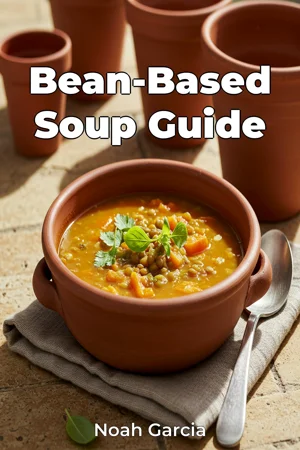
Have you ever considered the global tapestry woven by a single bowl of bean or lentil soup? 'Bean-Based Soup Guide' explores the diverse world of protein-rich soups crafted from beans and lentils, revealing how these humble ingredients have shaped culinary traditions across continents. This book delves into the heart of regional cooking practices, examining the cultural significance, nutritional value, and historical evolution of these nourishing staples. Three key interconnected topics form the foundation of this exploration: the botanical variations of beans and lentils and their impact on flavor profiles, the diverse culinary techniques employed in soup preparation across different regions, and the socio-economic factors that have influenced the prominence of bean-based soups in various diets. Understanding these elements is crucial to appreciating the versatility and importance of these soups throughout history and in contemporary cuisine. The history of bean-based soups is intertwined with the development of agriculture and trade routes. From ancient civilizations cultivating lentils in the Fertile Crescent to the introduction of beans to Europe and beyond, this book traces the journey of these ingredients and their integration into local culinary landscapes. Basic knowledge of food history and an elementary grasp of nutrition will enhance the reader's understanding, though no specialized expertise is required. At its core, 'Bean-Based Soup Guide' argues that bean and lentil soups are not merely simple dishes but rather culinary reflections of cultural identity, resource availability, and historical exchange. This argument underscores the role of food as a powerful lens through which to examine human societies and their interactions with the environment. It is a celebration of the ingenuity and adaptability of cooks worldwide. The book unfolds in a structured progression: a) An introduction establishes the fundamental properties of beans and lentils, covering their nutritional composition, varietal differences, and global distribution. It also provides an overview of basic soup-making techniques. b) Subsequent chapters explore specific regional soup traditions. A chapter on Mediterranean soups highlights the use of olive oil, herbs, and locally sourced vegetables. Another chapter examines Latin American soups, focusing on the integration of indigenous ingredients like chili peppers and corn. A third chapter covers Asian soups, showcasing the influence of spices, fermented ingredients, and unique cooking methods. c) The book culminates in a comprehensive section dedicated to recipe adaptation and innovation, encouraging readers to experiment with flavors and techniques from different cultures to create their own unique bean-based soup creations. d) Practical implications are addressed through detailed recipes catering to various dietary needs and preferences, including vegetarian, vegan, and gluten-free options. The book relies on a multifaceted approach, drawing on historical cookbooks, agricultural studies, ethnographic research, and contemporary culinary literature. Primary source analysis of historical recipes provides insights into the evolution of soup preparation techniques, while nutritional data supports the claims regarding the health benefits of bean and lentil consumption. 'Bean-Based Soup Guide' bridges several disciplines, including food history, nutrition science, and cultural anthropology. The connections to food history illuminate the origins and evolution of soup traditions. The connection to nutrition science elucidates the health benefits of bean and lentil-based diets. The link to cultural anthropology elucidates the social and cultural contexts in which these soups have developed and are consumed. This book distinguishes itself by adopting a global perspective, focusing not only on popular or well-documented soup traditions but also on lesser-known regional variations. It offers a level of detail and comparative analysis that goes beyond typical cookbooks. The tone is informative and engaging, aiming to educate and inspire readers to explore the world of bean-based soups with curiosity and appreciation. The writing style balances scholarly rigor with accessibility, making the information digestible for a broad audience. The target audience includes home cooks, food enthusiasts, nutritionists, and anyone interested in exploring the cultural and culinary significance of plant-based cuisine. 'Bean-Based Soup Guide' offers valuable insights and practical guidance for both novice and experienced cooks, empowering them to create delicious and nutritious meals while deepening their understanding of food history and culture. As a work of food writing, the book adheres to conventions of recipe documentation, ingredient sourcing, and culinary technique explanation, while also incorporating elements of travel writing and cultural commentary. The scope of 'Bean-Based Soup Guide' encompasses a wide range of bean and lentil-based soups from around the world. However, it intentionally limits its coverage to soups that feature beans or lentils as a primary ingredient, excluding soups where they are used merely as a garnish or minor component. Beyond its culinary appeal, the book provides valuable insights into sustainable eating practices, highlighting the environmental benefits of plant-based diets and the role of beans and lentils in promoting food security. While the health benefits of bean and lentil-based diets are generally well-established, debates persist regarding optimal preparation methods to maximize nutrient absorption and minimize potential digestive discomfort. The book addresses these concerns by providing evidence-based recommendations for soaking, cooking, and combining ingredients to enhance digestibility and nutritional value.
Have you ever considered the global tapestry woven by a single bowl of bean or lentil soup? 'Bean-Based Soup Guide' explores the diverse world of protein-rich soups crafted from beans and lentils, revealing how these humble ingredients have shaped culinary traditions across continents. This book delves into the heart of regional cooking practices, examining the cultural significance, nutritional value, and historical evolution of these nourishing staples. Three key interconnected topics form the foundation of this exploration: the botanical variations of beans and lentils and their impact on flavor profiles, the diverse culinary techniques employed in soup preparation across different regions, and the socio-economic factors that have influenced the prominence of bean-based soups in various diets. Understanding these elements is crucial to appreciating the versatility and importance of these soups throughout history and in contemporary cuisine. The history of bean-based soups is intertwined with the development of agriculture and trade routes. From ancient civilizations cultivating lentils in the Fertile Crescent to the introduction of beans to Europe and beyond, this book traces the journey of these ingredients and their integration into local culinary landscapes. Basic knowledge of food history and an elementary grasp of nutrition will enhance the reader's understanding, though no specialized expertise is required. At its core, 'Bean-Based Soup Guide' argues that bean and lentil soups are not merely simple dishes but rather culinary reflections of cultural identity, resource availability, and historical exchange. This argument underscores the role of food as a powerful lens through which to examine human societies and their interactions with the environment. It is a celebration of the ingenuity and adaptability of cooks worldwide. The book unfolds in a structured progression: a) An introduction establishes the fundamental properties of beans and lentils, covering their nutritional composition, varietal differences, and global distribution. It also provides an overview of basic soup-making techniques. b) Subsequent chapters explore specific regional soup traditions. A chapter on Mediterranean soups highlights the use of olive oil, herbs, and locally sourced vegetables. Another chapter examines Latin American soups, focusing on the integration of indigenous ingredients like chili peppers and corn. A third chapter covers Asian soups, showcasing the influence of spices, fermented ingredients, and unique cooking methods. c) The book culminates in a comprehensive section dedicated to recipe adaptation and innovation, encouraging readers to experiment with flavors and techniques from different cultures to create their own unique bean-based soup creations. d) Practical implications are addressed through detailed recipes catering to various dietary needs and preferences, including vegetarian, vegan, and gluten-free options. The book relies on a multifaceted approach, drawing on historical cookbooks, agricultural studies, ethnographic research, and contemporary culinary literature. Primary source analysis of historical recipes provides insights into the evolution of soup preparation techniques, while nutritional data supports the claims regarding the health benefits of bean and lentil consumption. 'Bean-Based Soup Guide' bridges several disciplines, including food history, nutrition science, and cultural anthropology. The connections to food history illuminate the origins and evolution of soup traditions. The connection to nutrition science elucidates the health benefits of bean and lentil-based diets. The link to cultural anthropology elucidates the social and cultural contexts in which these soups have developed and are consumed. This book distinguishes itself by adopting a global perspective, focusing not only on popular or well-documented soup traditions but also on lesser-known regional variations. It offers a level of detail and comparative analysis that goes beyond typical cookbooks. The tone is informative and engaging, aiming to educate and inspire readers to explore the world of bean-based soups with curiosity and appreciation. The writing style balances scholarly rigor with accessibility, making the information digestible for a broad audience. The target audience includes home cooks, food enthusiasts, nutritionists, and anyone interested in exploring the cultural and culinary significance of plant-based cuisine. 'Bean-Based Soup Guide' offers valuable insights and practical guidance for both novice and experienced cooks, empowering them to create delicious and nutritious meals while deepening their understanding of food history and culture. As a work of food writing, the book adheres to conventions of recipe documentation, ingredient sourcing, and culinary technique explanation, while also incorporating elements of travel writing and cultural commentary. The scope of 'Bean-Based Soup Guide' encompasses a wide range of bean and lentil-based soups from around the world. However, it intentionally limits its coverage to soups that feature beans or lentils as a primary ingredient, excluding soups where they are used merely as a garnish or minor component. Beyond its culinary appeal, the book provides valuable insights into sustainable eating practices, highlighting the environmental benefits of plant-based diets and the role of beans and lentils in promoting food security. While the health benefits of bean and lentil-based diets are generally well-established, debates persist regarding optimal preparation methods to maximize nutrient absorption and minimize potential digestive discomfort. The book addresses these concerns by providing evidence-based recommendations for soaking, cooking, and combining ingredients to enhance digestibility and nutritional value.
"Bean-Based Soup Guide" explores the world of nutritious soups crafted from beans and lentils, showcasing how these ingredients have shaped culinary traditions globally. It highlights how the botanical variations of beans and lentils impact flavor and examines the diverse culinary techniques used in soup preparation across different regions. These soups aren't just simple dishes; they're culinary reflections of cultural identity, resource availability, and historical exchange. The book begins by establishing the properties of beans and lentils, covering their nutritional aspects and global distribution, and then progresses to explore specific regional soup traditions, such as Mediterranean, Latin American, and Asian soups. One intriguing fact is how the introduction of beans to Europe transformed local culinary landscapes. Another is the influence of agriculture and trade routes on the history of these soups. The book culminates in a section dedicated to recipe adaptation, encouraging readers to experiment with flavors and techniques. This soup guide distinguishes itself by adopting a global perspective, focusing on both well-known and lesser-known regional variations. It relies on historical cookbooks, agricultural studies, and culinary literature to bridge food history, nutrition science, and cultural anthropology. With detailed recipes catering to various dietary needs, the book offers valuable insights for both novice and experienced cooks, empowering them to create delicious and nutritious meals.
Book Details
ISBN
9788233972820
Publisher
Publifye AS
Your Licenses
You don't own any licenses for this book
Purchase a license below to unlock this book and download the EPUB.
Purchase License
Select a tier to unlock this book
Need bulk licensing?
Contact us for enterprise agreements.