
About This Book
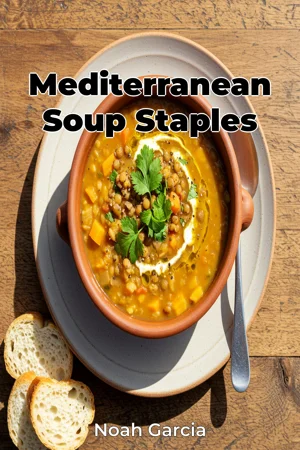
Have you ever considered that the secret to longevity and vitality might be simmering in a humble bowl of soup? "Mediterranean Soup Staples" invites you on a culinary and nutritional journey, exploring the core ingredients and time-honored traditions that make Mediterranean soups a cornerstone of health and well-being. This book delves into the crucial roles of olive oil, a diverse array of herbs, and the protein-rich world of legumes, demonstrating how their synergistic combination in regional soups contributes to the widely recognized benefits of the Mediterranean diet. The significance of this exploration lies in understanding how dietary choices can profoundly impact health. We examine not just the individual ingredients, but also their interactions within the context of traditional soup preparation, offering insights into maximizing nutritional value and flavor. A basic understanding of nutrition and culinary techniques will benefit the reader, allowing for a deeper appreciation of the principles discussed. This book argues that Mediterranean soups are more than just comfort food; they represent a practical and delicious pathway to adopting key aspects of the Mediterranean diet. By focusing on accessible ingredients and simple cooking methods, "Mediterranean Soup Staples" empowers readers to incorporate these health-promoting practices into their own lives. The content unfolds by first introducing the fundamental principles of the Mediterranean diet and its documented health advantages. It then systematically explores the three pillar ingredients: olive oil, examining its various grades and health benefits; herbs, detailing their diverse flavors and medicinal properties; and legumes, covering their nutritional profile and culinary versatility. Subsequent chapters delve into specific regional soup traditions, analyzing classic recipes from across the Mediterranean. The book culminates in a practical guide to creating your own Mediterranean-inspired soups, offering adaptable recipes and tips for ingredient selection. To support its arguments, the book draws upon a range of evidence, including nutritional studies, historical culinary texts, and anthropological research on Mediterranean foodways. Data from dietary surveys and epidemiological studies are presented to illustrate the positive effects of the Mediterranean diet. "Mediterranean Soup Staples" connects to several other fields. Nutrition science is central, providing the scientific basis for the health claims made. Culinary history offers context, tracing the origins and evolution of Mediterranean soup traditions. Botany plays a role, examining the properties and uses of various herbs and legumes. These interdisciplinary connections enrich the narrative and provide a more complete understanding of the subject matter. The book takes a practical approach, translating scientific findings and historical knowledge into actionable advice for the home cook. It avoids overly technical jargon and focuses on conveying information in a clear and engaging manner. The writing style is accessible and informative, aiming to educate and inspire readers to embrace the culinary traditions of the Mediterranean. The target audience includes health-conscious individuals, food enthusiasts, and anyone interested in exploring the benefits of the Mediterranean diet. This book will be valuable to those seeking to improve their diet, expand their culinary repertoire, or simply learn more about the rich food traditions of the Mediterranean. As a work of food writing, it embraces the conventions of recipe integration, culinary storytelling, and sensory descriptions to engage the reader. The scope of the book is limited to the core ingredients and soup traditions of the Mediterranean region. While other aspects of the diet are mentioned, the primary focus remains on olive oil, herbs, legumes, and their role in soups. The information presented can be directly applied to the reader's cooking practices. The book provides recipes and guidelines for creating nutritious and flavorful Mediterranean soups at home. It also encourages experimentation and adaptation, empowering readers to develop their own signature soup creations. While the book acknowledges ongoing discussions about the optimal fat ratios, it aims to present a balanced perspective based on available scientific evidence.
Have you ever considered that the secret to longevity and vitality might be simmering in a humble bowl of soup? "Mediterranean Soup Staples" invites you on a culinary and nutritional journey, exploring the core ingredients and time-honored traditions that make Mediterranean soups a cornerstone of health and well-being. This book delves into the crucial roles of olive oil, a diverse array of herbs, and the protein-rich world of legumes, demonstrating how their synergistic combination in regional soups contributes to the widely recognized benefits of the Mediterranean diet. The significance of this exploration lies in understanding how dietary choices can profoundly impact health. We examine not just the individual ingredients, but also their interactions within the context of traditional soup preparation, offering insights into maximizing nutritional value and flavor. A basic understanding of nutrition and culinary techniques will benefit the reader, allowing for a deeper appreciation of the principles discussed. This book argues that Mediterranean soups are more than just comfort food; they represent a practical and delicious pathway to adopting key aspects of the Mediterranean diet. By focusing on accessible ingredients and simple cooking methods, "Mediterranean Soup Staples" empowers readers to incorporate these health-promoting practices into their own lives. The content unfolds by first introducing the fundamental principles of the Mediterranean diet and its documented health advantages. It then systematically explores the three pillar ingredients: olive oil, examining its various grades and health benefits; herbs, detailing their diverse flavors and medicinal properties; and legumes, covering their nutritional profile and culinary versatility. Subsequent chapters delve into specific regional soup traditions, analyzing classic recipes from across the Mediterranean. The book culminates in a practical guide to creating your own Mediterranean-inspired soups, offering adaptable recipes and tips for ingredient selection. To support its arguments, the book draws upon a range of evidence, including nutritional studies, historical culinary texts, and anthropological research on Mediterranean foodways. Data from dietary surveys and epidemiological studies are presented to illustrate the positive effects of the Mediterranean diet. "Mediterranean Soup Staples" connects to several other fields. Nutrition science is central, providing the scientific basis for the health claims made. Culinary history offers context, tracing the origins and evolution of Mediterranean soup traditions. Botany plays a role, examining the properties and uses of various herbs and legumes. These interdisciplinary connections enrich the narrative and provide a more complete understanding of the subject matter. The book takes a practical approach, translating scientific findings and historical knowledge into actionable advice for the home cook. It avoids overly technical jargon and focuses on conveying information in a clear and engaging manner. The writing style is accessible and informative, aiming to educate and inspire readers to embrace the culinary traditions of the Mediterranean. The target audience includes health-conscious individuals, food enthusiasts, and anyone interested in exploring the benefits of the Mediterranean diet. This book will be valuable to those seeking to improve their diet, expand their culinary repertoire, or simply learn more about the rich food traditions of the Mediterranean. As a work of food writing, it embraces the conventions of recipe integration, culinary storytelling, and sensory descriptions to engage the reader. The scope of the book is limited to the core ingredients and soup traditions of the Mediterranean region. While other aspects of the diet are mentioned, the primary focus remains on olive oil, herbs, legumes, and their role in soups. The information presented can be directly applied to the reader's cooking practices. The book provides recipes and guidelines for creating nutritious and flavorful Mediterranean soups at home. It also encourages experimentation and adaptation, empowering readers to develop their own signature soup creations. While the book acknowledges ongoing discussions about the optimal fat ratios, it aims to present a balanced perspective based on available scientific evidence.
"Mediterranean Soup Staples" explores the heart of Mediterranean cuisine through its diverse and healthful soups. It emphasizes how these soups, rich in olive oil, herbs, and legumes, contribute significantly to the well-being associated with the Mediterranean diet. The book reveals that the synergistic effect of these ingredients in regional soups is key to maximizing nutritional value and flavor, offering a practical and delicious way to embrace a healthier lifestyle. The book progresses systematically, starting with the fundamental principles of the Mediterranean diet and its health advantages. It then delves into the three pillar ingredients—olive oil, herbs, and legumes—before exploring specific regional soup traditions and classic recipes. Ultimately, "Mediterranean Soup Staples" provides a practical guide for creating Mediterranean-inspired soups, complete with adaptable recipes and ingredient selection tips, empowering readers to incorporate these nutritious soups into their daily cooking.
Book Details
ISBN
9788233972783
Publisher
Publifye AS
Your Licenses
You don't own any licenses for this book
Purchase a license below to unlock this book and download the EPUB.
Purchase License
Select a tier to unlock this book
Need bulk licensing?
Contact us for enterprise agreements.