
About This Book
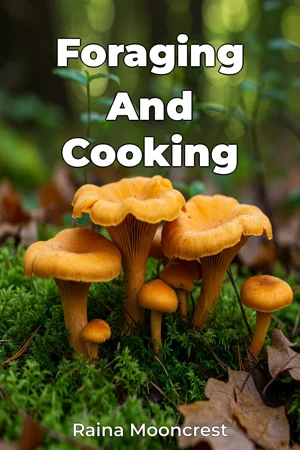
Have you ever considered the possibility of finding your next meal in your own backyard or on a woodland trail? "Foraging and Cooking" serves as a comprehensive guide to safely and sustainably identifying, harvesting, and preparing edible wild plants. This book addresses two crucial and interconnected subjects: the art of foraging and the science of culinary preparation. Understanding these elements is vital not just for survivalists or outdoor enthusiasts, but for anyone seeking a deeper connection with nature and a more sustainable approach to food. For centuries, humans relied on foraging for sustenance. This book explores the historical context of foraging, examining its role in different cultures and its impact on shaping human societies. It also grounds foraging in modern botany, covering essential plant identification techniques, emphasizing the importance of accurate identification to avoid poisonous look-alikes. No prior botanical knowledge is absolutely necessary; the book starts with the foundational elements. The central argument is that responsible foraging, combined with proper culinary techniques, can provide both nutritional benefits and a profound appreciation for the natural world. The book emphasizes that safe foraging is not just about identifying edible plants, but also understanding their ecological role, sustainable harvesting practices, and potential environmental impact. The book is structured to guide the reader from novice to confident forager and cook. It begins with an overview of foraging ethics and legal considerations, stressing the importance of respecting both private and public lands. Section one introduces key botanical terminology and identification methods, complete with detailed illustrations and photographs. Section two delves into regional guides, providing plant-specific information tailored to various North American ecosystems. Each plant profile includes habitat descriptions, identifying features, potential toxic look-alikes, and sustainable harvesting tips. Section three transitions to the culinary aspect, offering a range of recipes and preparation techniques for gathered plants. These recipes are designed to highlight the unique flavors and textures of wild foods, while also emphasizing the importance of proper handling to ensure safety. The culmination of the book focuses on the broader implications of foraging, discussing its potential role in promoting food security, environmental stewardship, and a closer relationship with the natural world. Evidence presented within the pages will include detailed botanical descriptions, supported by high-resolution photographs for accurate identification. Regional safety data, compiled from poison control centers and reputable scientific sources, is provided for each plant. Traditional preparation methods, gleaned from ethnobotanical studies and experienced foragers, are also featured. "Foraging and Cooking" intersects with several related fields. Botany is central, providing the scientific groundwork for plant identification. Ecology plays a role, informing sustainable harvesting practices and understanding ecosystem dynamics. Nutrition science informs on the nutritional value of wild plants and helps to create healthy recipes. These interdisciplinary connections enrich the book's argument, providing a holistic perspective on foraging and its implications. This book distinguishes itself by combining rigorous scientific information with practical, hands-on guidance. While other foraging guides may focus solely on identification, "Foraging and Cooking" integrates culinary applications, providing readers with the knowledge and skills to confidently harvest and prepare wild foods. Recipes range from simple side dishes to more complex meals, suitable for both novice and experienced cooks. The tone is approachable and informative, designed to engage readers without overwhelming them with technical jargon. The writing style balances scientific accuracy with clear and concise language, making the information accessible to a broad audience. The primary audience includes nature enthusiasts, hikers, gardeners, chefs, and anyone interested in learning more about wild foods and sustainable living. The book's practical approach and comprehensive coverage make it a valuable resource for both beginners and experienced foragers. As a dual-genre book, "Foraging and Cooking" delivers both practical cooking advice and scientific and nature-based facts. The work also presents a cautionary approach to the subject matter. The book focuses on the most common and easily identifiable edible plants found in North America, acknowledging that regional flora varies significantly. While every effort has been made to ensure accuracy, the book emphasizes that it is not a substitute for professional guidance and encourages readers to consult with local experts and seek positive identification before consuming any wild plant. The real-world applications of the book are numerous. Readers can learn to supplement their diets with nutritious wild foods, reduce their reliance on conventional agriculture, and develop a deeper appreciation for the natural world. They can also use their knowledge to educate others about sustainable foraging practices and promote environmental awareness. While foraging is generally viewed positively, some debates surround its potential impact on ecosystems. The book addresses these concerns, advocating for responsible harvesting practices that minimize disturbance to plant populations and wildlife habitats. It stresses the importance of obtaining permission before foraging on private land and adhering to local regulations.
Have you ever considered the possibility of finding your next meal in your own backyard or on a woodland trail? "Foraging and Cooking" serves as a comprehensive guide to safely and sustainably identifying, harvesting, and preparing edible wild plants. This book addresses two crucial and interconnected subjects: the art of foraging and the science of culinary preparation. Understanding these elements is vital not just for survivalists or outdoor enthusiasts, but for anyone seeking a deeper connection with nature and a more sustainable approach to food. For centuries, humans relied on foraging for sustenance. This book explores the historical context of foraging, examining its role in different cultures and its impact on shaping human societies. It also grounds foraging in modern botany, covering essential plant identification techniques, emphasizing the importance of accurate identification to avoid poisonous look-alikes. No prior botanical knowledge is absolutely necessary; the book starts with the foundational elements. The central argument is that responsible foraging, combined with proper culinary techniques, can provide both nutritional benefits and a profound appreciation for the natural world. The book emphasizes that safe foraging is not just about identifying edible plants, but also understanding their ecological role, sustainable harvesting practices, and potential environmental impact. The book is structured to guide the reader from novice to confident forager and cook. It begins with an overview of foraging ethics and legal considerations, stressing the importance of respecting both private and public lands. Section one introduces key botanical terminology and identification methods, complete with detailed illustrations and photographs. Section two delves into regional guides, providing plant-specific information tailored to various North American ecosystems. Each plant profile includes habitat descriptions, identifying features, potential toxic look-alikes, and sustainable harvesting tips. Section three transitions to the culinary aspect, offering a range of recipes and preparation techniques for gathered plants. These recipes are designed to highlight the unique flavors and textures of wild foods, while also emphasizing the importance of proper handling to ensure safety. The culmination of the book focuses on the broader implications of foraging, discussing its potential role in promoting food security, environmental stewardship, and a closer relationship with the natural world. Evidence presented within the pages will include detailed botanical descriptions, supported by high-resolution photographs for accurate identification. Regional safety data, compiled from poison control centers and reputable scientific sources, is provided for each plant. Traditional preparation methods, gleaned from ethnobotanical studies and experienced foragers, are also featured. "Foraging and Cooking" intersects with several related fields. Botany is central, providing the scientific groundwork for plant identification. Ecology plays a role, informing sustainable harvesting practices and understanding ecosystem dynamics. Nutrition science informs on the nutritional value of wild plants and helps to create healthy recipes. These interdisciplinary connections enrich the book's argument, providing a holistic perspective on foraging and its implications. This book distinguishes itself by combining rigorous scientific information with practical, hands-on guidance. While other foraging guides may focus solely on identification, "Foraging and Cooking" integrates culinary applications, providing readers with the knowledge and skills to confidently harvest and prepare wild foods. Recipes range from simple side dishes to more complex meals, suitable for both novice and experienced cooks. The tone is approachable and informative, designed to engage readers without overwhelming them with technical jargon. The writing style balances scientific accuracy with clear and concise language, making the information accessible to a broad audience. The primary audience includes nature enthusiasts, hikers, gardeners, chefs, and anyone interested in learning more about wild foods and sustainable living. The book's practical approach and comprehensive coverage make it a valuable resource for both beginners and experienced foragers. As a dual-genre book, "Foraging and Cooking" delivers both practical cooking advice and scientific and nature-based facts. The work also presents a cautionary approach to the subject matter. The book focuses on the most common and easily identifiable edible plants found in North America, acknowledging that regional flora varies significantly. While every effort has been made to ensure accuracy, the book emphasizes that it is not a substitute for professional guidance and encourages readers to consult with local experts and seek positive identification before consuming any wild plant. The real-world applications of the book are numerous. Readers can learn to supplement their diets with nutritious wild foods, reduce their reliance on conventional agriculture, and develop a deeper appreciation for the natural world. They can also use their knowledge to educate others about sustainable foraging practices and promote environmental awareness. While foraging is generally viewed positively, some debates surround its potential impact on ecosystems. The book addresses these concerns, advocating for responsible harvesting practices that minimize disturbance to plant populations and wildlife habitats. It stresses the importance of obtaining permission before foraging on private land and adhering to local regulations.
"Foraging and Cooking" offers a comprehensive guide to identifying, harvesting, and preparing edible wild plants, emphasizing both the art of foraging and the science of culinary preparation. This book fosters a deeper connection with nature and promotes a sustainable approach to food. It highlights the historical significance of foraging across cultures and grounds the practice in modern botany, teaching essential plant identification skills crucial for avoiding poisonous look-alikes. The book progresses from ethical considerations and botanical terminology to regional guides with plant-specific information tailored to North American ecosystems. Recipes showcase the flavors of wild foods while emphasizing safe handling. Did you know that foraging was once a primary means of sustenance for humans? The book also underscores the importance of sustainable harvesting to preserve ecosystems. This guide distinguishes itself by combining scientific rigor with practical, hands-on cooking guidance. It provides readers with the knowledge to confidently harvest and prepare wild foods, moving beyond simple identification. Recipes range from simple side dishes to more complex meals.
Book Details
ISBN
9788233972691
Publisher
Publifye AS
Your Licenses
You don't own any licenses for this book
Purchase a license below to unlock this book and download the EPUB.
Purchase License
Select a tier to unlock this book
Need bulk licensing?
Contact us for enterprise agreements.