
About This Book
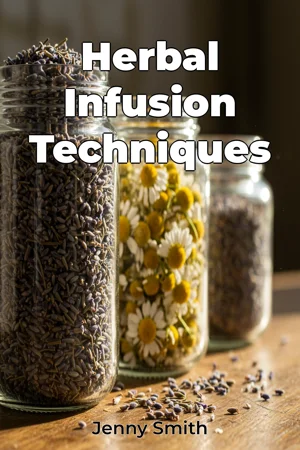
Have you ever wondered about the secrets held within a simple cup of herbal tea, beyond just its soothing taste? "Herbal Infusion Techniques" delves into the art and science of extracting the potent benefits of herbs through various brewing and steeping methods, offering a comprehensive guide to unlocking their therapeutic potential. This book explores the often-overlooked nuances of herbal preparation, revealing how different techniques impact the extraction of essential oils and other valuable compounds, and connects these methods to their traditional and historical uses. The central thesis of "Herbal Infusion Techniques" is that the effectiveness of herbal remedies is significantly impacted by the specific methods used to prepare them. This isn't just about following a recipe; it's about understanding the chemical processes at play and tailoring the preparation to maximize the desired therapeutic outcomes. We argue that a deeper knowledge of these techniques empowers individuals to harness the full potential of herbal medicine safely and effectively. The book begins by laying a foundational understanding of herbal constituents, exploring the diverse range of chemical compounds found in plants and their respective therapeutic properties. From volatile essential oils to water-soluble polysaccharides, we examine how these compounds contribute to the overall effect of herbal remedies. Building on this foundation, the book explores various infusion techniques, including hot water infusions, decoctions (simmering), cold water macerations, and alcohol-based tinctures. Each method is examined in detail, outlining the specific procedures, optimal timing, and the types of herbs best suited for each technique. For example, delicate flowers and leaves benefit from hot water infusions, while tougher roots and barks require the more prolonged and intense extraction of decoctions. A significant portion of the book is dedicated to understanding the extraction of essential oils. These aromatic compounds, often responsible for the distinctive scents and flavors of herbs, possess a wide array of therapeutic properties. The book details methods for capturing and utilizing these oils, including steam distillation and enfleurage, discussing the equipment and techniques involved. The book includes a dedicated section on safety considerations. Readers will learn about potential contraindications, herb-drug interactions, and responsible sourcing practices. "Herbal Infusion Techniques" emphasizes the interdisciplinary nature of herbalism, drawing connections to chemistry, botany, and traditional medicine systems like Ayurveda and Traditional Chinese Medicine. It approaches the subject with a tone that is both informative and accessible, bridging the gap between scientific understanding and practical application. The primary audience is health-conscious individuals, herbalists, culinary enthusiasts, and anyone interested in exploring the therapeutic potential of herbs. It appeals to those who want to move beyond simple recipes and gain a deeper understanding of how preparation methods impact the efficacy of herbal remedies. The book’s scope is intentionally focused on extraction techniques, recognizing that many other aspects of herbalism, such as plant identification and cultivation, are covered extensively elsewhere. This allows for a more in-depth exploration of the specific challenges and opportunities associated with different preparation methods. The information provided is backed by scientific research, historical data, and traditional practices. It draws on a wide range of sources. We also acknowledge that some traditional uses of herbs may not be supported by modern scientific evidence, highlighting areas where further research is needed. Ultimately, "Herbal Infusion Techniques" aims to provide readers with the knowledge and skills to confidently and safely prepare effective herbal remedies at home. It encourages a deeper appreciation for the art and science of herbalism, empowering individuals to take control of their health and well-being through the responsible use of nature's pharmacy.
Have you ever wondered about the secrets held within a simple cup of herbal tea, beyond just its soothing taste? "Herbal Infusion Techniques" delves into the art and science of extracting the potent benefits of herbs through various brewing and steeping methods, offering a comprehensive guide to unlocking their therapeutic potential. This book explores the often-overlooked nuances of herbal preparation, revealing how different techniques impact the extraction of essential oils and other valuable compounds, and connects these methods to their traditional and historical uses. The central thesis of "Herbal Infusion Techniques" is that the effectiveness of herbal remedies is significantly impacted by the specific methods used to prepare them. This isn't just about following a recipe; it's about understanding the chemical processes at play and tailoring the preparation to maximize the desired therapeutic outcomes. We argue that a deeper knowledge of these techniques empowers individuals to harness the full potential of herbal medicine safely and effectively. The book begins by laying a foundational understanding of herbal constituents, exploring the diverse range of chemical compounds found in plants and their respective therapeutic properties. From volatile essential oils to water-soluble polysaccharides, we examine how these compounds contribute to the overall effect of herbal remedies. Building on this foundation, the book explores various infusion techniques, including hot water infusions, decoctions (simmering), cold water macerations, and alcohol-based tinctures. Each method is examined in detail, outlining the specific procedures, optimal timing, and the types of herbs best suited for each technique. For example, delicate flowers and leaves benefit from hot water infusions, while tougher roots and barks require the more prolonged and intense extraction of decoctions. A significant portion of the book is dedicated to understanding the extraction of essential oils. These aromatic compounds, often responsible for the distinctive scents and flavors of herbs, possess a wide array of therapeutic properties. The book details methods for capturing and utilizing these oils, including steam distillation and enfleurage, discussing the equipment and techniques involved. The book includes a dedicated section on safety considerations. Readers will learn about potential contraindications, herb-drug interactions, and responsible sourcing practices. "Herbal Infusion Techniques" emphasizes the interdisciplinary nature of herbalism, drawing connections to chemistry, botany, and traditional medicine systems like Ayurveda and Traditional Chinese Medicine. It approaches the subject with a tone that is both informative and accessible, bridging the gap between scientific understanding and practical application. The primary audience is health-conscious individuals, herbalists, culinary enthusiasts, and anyone interested in exploring the therapeutic potential of herbs. It appeals to those who want to move beyond simple recipes and gain a deeper understanding of how preparation methods impact the efficacy of herbal remedies. The book’s scope is intentionally focused on extraction techniques, recognizing that many other aspects of herbalism, such as plant identification and cultivation, are covered extensively elsewhere. This allows for a more in-depth exploration of the specific challenges and opportunities associated with different preparation methods. The information provided is backed by scientific research, historical data, and traditional practices. It draws on a wide range of sources. We also acknowledge that some traditional uses of herbs may not be supported by modern scientific evidence, highlighting areas where further research is needed. Ultimately, "Herbal Infusion Techniques" aims to provide readers with the knowledge and skills to confidently and safely prepare effective herbal remedies at home. It encourages a deeper appreciation for the art and science of herbalism, empowering individuals to take control of their health and well-being through the responsible use of nature's pharmacy.
"Herbal Infusion Techniques" explores the art and science behind extracting the therapeutic properties of herbs, going beyond simple recipes to delve into effective preparation methods. The book reveals how different techniques, such as hot water infusions and decoctions, impact the extraction of essential oils and other beneficial compounds. Did you know that the method you use can significantly alter the potency of the herbal remedy? Or that traditional practices often hold keys to optimizing these processes? This guide begins with a foundational understanding of herbal constituents, examining their therapeutic properties, and progresses through various infusion techniques, including tinctures and macerations. It emphasizes safety considerations, such as herb-drug interactions, and connects herbalism to traditional medicine systems. Readers will learn how delicate flowers benefit from hot water infusions, while tougher roots require decoctions. Unique in its focus, the book emphasizes the chemical processes at play, bridging scientific understanding with practical application and empowering readers to harness the full potential of herbal medicine safely at home. It's an essential resource for health-conscious individuals seeking to enhance their health and fitness through informed herbal preparation.
Book Details
ISBN
9788233972585
Publisher
Publifye AS
Your Licenses
You don't own any licenses for this book
Purchase a license below to unlock this book and download the EPUB.
Purchase License
Select a tier to unlock this book
Need bulk licensing?
Contact us for enterprise agreements.