
About This Book
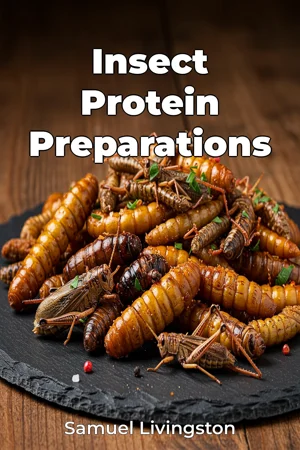
Can insects truly revolutionize our food systems? This book, "Insect Protein Preparations," delves into the burgeoning field of edible insects, exploring their potential as a sustainable and nutritious food source. We address this question head-on through nutritional evaluations, culinary applications, and a practical guide to incorporating insect-based proteins into everyday cooking. The core topics we explore are the nutritional value of various edible insects, the environmental impacts of insect farming compared to traditional livestock, and the practical methods for preparing and cooking insects in appealing and palatable ways. These topics are significant because they address growing concerns about food security, environmental sustainability, and the need for alternative protein sources to feed a rapidly expanding global population. Our analysis exists within the broader historical context of entomophagy, the practice of eating insects, which has been prevalent in many cultures for centuries. However, in Western societies, it remains a relatively novel and often stigmatized concept. We provide the necessary background on global food systems, the environmental footprint of animal agriculture, and basic principles of nutrition to ensure readers from diverse backgrounds can understand and appreciate our findings. The central argument of "Insect Protein Preparations" is that insects represent a viable, sustainable, and nutritious alternative to traditional animal proteins, and overcoming cultural barriers through culinary innovation can unlock this potential. This argument is vital because it challenges conventional notions about food and offers practical solutions to pressing global challenges. The book is structured to provide a coherent and comprehensive understanding of the topic. Part one introduces the concept of edible insects, outlining their historical and cultural significance, and justifying their potential as a sustainable food source. Part two develops the argument by presenting detailed nutritional profiles of various edible insects, comparing their environmental impact to that of traditional livestock farming, and addressing common concerns related to food safety and regulations. We delve into specific insect species suitable for consumption, sustainable rearing methods, and lifecycle analysis compared to beef, pork, and chicken. Part three culminates in a practical cooking guide, offering detailed recipes and preparation techniques designed to make insect-based dishes appealing and accessible to a wider audience. In appendices, we include a comprehensive list of edible insect species, sourcing information, and relevant food safety regulations, along with potential applications of processed insect protein, such as flour or isolates. The evidence presented in the book includes data from scientific studies on insect nutrition, lifecycle assessments comparing environmental impacts, and results from sensory evaluations of insect-based dishes. We draw upon research from entomology, nutrition science, environmental science, and even culinary arts. We utilize data from the FAO (Food and Agriculture Organization of the United Nations), peer-reviewed scientific journals, and original recipe development. "Insect Protein Preparations" connects to other fields such as environmental science by examining the ecological footprint of food production. It also connects to economics through discussions of the cost-effectiveness of insect farming and market opportunities. Furthermore, it has links to sociology and anthropology by addressing cultural attitudes toward food and the acceptance of novel protein sources. These connections enhance the argument by demonstrating the far-reaching implications of embracing insect-based diets. Our unique approach lies in combining scientific rigor with culinary practicality. While other works may focus solely on the science or the recipes, we bridge the gap, providing readers with both the knowledge and the skills to confidently incorporate insects into their diets. The tone and writing style are informative and accessible, avoiding jargon and catering to a broad audience. We strive to present the information in a clear, engaging, and unbiased manner. The target audience includes food enthusiasts, environmental advocates, nutritionists, chefs, and anyone curious about sustainable food solutions. This book would be valuable to them because it provides both theoretical knowledge and practical guidance, empowering them to make informed choices and experiment with insect-based cuisine. As a cooking and science-based book, we include elements such as nutritional breakdowns, step-by-step recipes, and scientific data to support our claims, conforming to the conventions expected by readers of both genres. The scope of this book intentionally focuses on the practical aspects of incorporating insects into the diet. We acknowledge the broader issues of food security and global agriculture but limit our discussion to insects as a viable alternative protein source. We do not delve deeply into the political or ethical dimensions of food production beyond their immediate relevance to insect consumption. The information contained within this book can be applied directly through cooking and recipe adaptation. Individuals can use our guide to prepare nutritious and delicious insect-based meals, reducing their environmental footprint and diversifying their protein intake. One debate we address is the "yuck factor" associated with eating insects. We tackle this issue by presenting evidence of their nutritional value and by demonstrating that with proper preparation, insect-based dishes can be both palatable and appealing. We advocate for normalizing entomophagy through education and culinary innovation.
Can insects truly revolutionize our food systems? This book, "Insect Protein Preparations," delves into the burgeoning field of edible insects, exploring their potential as a sustainable and nutritious food source. We address this question head-on through nutritional evaluations, culinary applications, and a practical guide to incorporating insect-based proteins into everyday cooking. The core topics we explore are the nutritional value of various edible insects, the environmental impacts of insect farming compared to traditional livestock, and the practical methods for preparing and cooking insects in appealing and palatable ways. These topics are significant because they address growing concerns about food security, environmental sustainability, and the need for alternative protein sources to feed a rapidly expanding global population. Our analysis exists within the broader historical context of entomophagy, the practice of eating insects, which has been prevalent in many cultures for centuries. However, in Western societies, it remains a relatively novel and often stigmatized concept. We provide the necessary background on global food systems, the environmental footprint of animal agriculture, and basic principles of nutrition to ensure readers from diverse backgrounds can understand and appreciate our findings. The central argument of "Insect Protein Preparations" is that insects represent a viable, sustainable, and nutritious alternative to traditional animal proteins, and overcoming cultural barriers through culinary innovation can unlock this potential. This argument is vital because it challenges conventional notions about food and offers practical solutions to pressing global challenges. The book is structured to provide a coherent and comprehensive understanding of the topic. Part one introduces the concept of edible insects, outlining their historical and cultural significance, and justifying their potential as a sustainable food source. Part two develops the argument by presenting detailed nutritional profiles of various edible insects, comparing their environmental impact to that of traditional livestock farming, and addressing common concerns related to food safety and regulations. We delve into specific insect species suitable for consumption, sustainable rearing methods, and lifecycle analysis compared to beef, pork, and chicken. Part three culminates in a practical cooking guide, offering detailed recipes and preparation techniques designed to make insect-based dishes appealing and accessible to a wider audience. In appendices, we include a comprehensive list of edible insect species, sourcing information, and relevant food safety regulations, along with potential applications of processed insect protein, such as flour or isolates. The evidence presented in the book includes data from scientific studies on insect nutrition, lifecycle assessments comparing environmental impacts, and results from sensory evaluations of insect-based dishes. We draw upon research from entomology, nutrition science, environmental science, and even culinary arts. We utilize data from the FAO (Food and Agriculture Organization of the United Nations), peer-reviewed scientific journals, and original recipe development. "Insect Protein Preparations" connects to other fields such as environmental science by examining the ecological footprint of food production. It also connects to economics through discussions of the cost-effectiveness of insect farming and market opportunities. Furthermore, it has links to sociology and anthropology by addressing cultural attitudes toward food and the acceptance of novel protein sources. These connections enhance the argument by demonstrating the far-reaching implications of embracing insect-based diets. Our unique approach lies in combining scientific rigor with culinary practicality. While other works may focus solely on the science or the recipes, we bridge the gap, providing readers with both the knowledge and the skills to confidently incorporate insects into their diets. The tone and writing style are informative and accessible, avoiding jargon and catering to a broad audience. We strive to present the information in a clear, engaging, and unbiased manner. The target audience includes food enthusiasts, environmental advocates, nutritionists, chefs, and anyone curious about sustainable food solutions. This book would be valuable to them because it provides both theoretical knowledge and practical guidance, empowering them to make informed choices and experiment with insect-based cuisine. As a cooking and science-based book, we include elements such as nutritional breakdowns, step-by-step recipes, and scientific data to support our claims, conforming to the conventions expected by readers of both genres. The scope of this book intentionally focuses on the practical aspects of incorporating insects into the diet. We acknowledge the broader issues of food security and global agriculture but limit our discussion to insects as a viable alternative protein source. We do not delve deeply into the political or ethical dimensions of food production beyond their immediate relevance to insect consumption. The information contained within this book can be applied directly through cooking and recipe adaptation. Individuals can use our guide to prepare nutritious and delicious insect-based meals, reducing their environmental footprint and diversifying their protein intake. One debate we address is the "yuck factor" associated with eating insects. We tackle this issue by presenting evidence of their nutritional value and by demonstrating that with proper preparation, insect-based dishes can be both palatable and appealing. We advocate for normalizing entomophagy through education and culinary innovation.
"Insect Protein Preparations" explores the potential of edible insects as a sustainable and nutritious alternative to traditional protein sources. Addressing growing concerns about food security and environmental impact, the book delves into the science and practicality of entomophagy, the practice of eating insects, which could revolutionize our food systems. For example, insect farming requires significantly less land and water compared to traditional livestock, making it a more environmentally friendly option. It also highlights the impressive nutritional value of insects, often surpassing that of beef or chicken in protein content and essential nutrients. The book provides a comprehensive overview, starting with the historical and cultural context of eating insects, then moving on to the nutritional benefits and environmental advantages. It culminates in a practical cooking guide with recipes designed to make insect-based dishes appealing and accessible, tackling the "yuck factor" head-on. By combining scientific rigor with culinary innovation, the book offers a unique approach to understanding and embracing insects as a viable part of our future diets. Across its chapters, "Insect Protein Preparations" introduces the concept, develops the argument with nutritional profiles and environmental impact assessments, and offers a practical cooking guide of insect-based dishes. It also includes appendices with a list of edible insect species, sourcing information, and relevant food safety regulations, alongside potential applications of processed insect protein, such as flour or isolates.
Book Details
ISBN
9788233972561
Publisher
Publifye AS
Your Licenses
You don't own any licenses for this book
Purchase a license below to unlock this book and download the EPUB.
Purchase License
Select a tier to unlock this book
Need bulk licensing?
Contact us for enterprise agreements.