
About This Book
Have you ever wondered how the flavors of the Middle East have evolved over centuries, shaping not only culinary traditions but also cultural identities? "Middle Eastern Flavors" delves into the heart of this vibrant culinary landscape, exploring the history, techniques, and significance of its most iconic components: aromatic spices, bread-based meals, and slow-cooked dishes. These elements are not merely ingredients and methods, but rather cornerstones of Middle Eastern hospitality, communal gatherings, and historical narratives. Understanding them offers insight into the region’s social fabric and cultural heritage. This book argues that Middle Eastern cuisine represents a tangible link to the past, with recipes and cooking practices serving as vessels for transmitting cultural memory across generations. We demonstrate how the persistent use of specific spices, the central role of bread in daily life, and the art of slow cooking reflect a deep connection to ancestral traditions and the land itself. "Middle Eastern Flavors" unfolds in a structured exploration. It begins with an introduction to the key spices that define Middle Eastern cooking—cumin, coriander, saffron, and sumac, among others. We trace their origins, historical trade routes, and their impact on regional cuisines, examining ancient texts and archaeological evidence to understand their early uses and importance. The book then moves into the world of bread, examining the diverse array of flatbreads, loaves, and pastries that form the foundation of Middle Eastern meals. From the simple pita to elaborate festive breads, we explore the cultural significance and preparation techniques associated with each type. The final section of the book focuses on slow-cooked dishes, such as tagines, stews, and braised meats. We delve into the historical rationale behind these methods, often necessitated by limited resources and the desire to maximize flavor and tenderness, utilizing oral histories and ethnographic studies. The research presented in this book draws upon a wide range of sources, including historical cookbooks, travelogues, archaeological findings, and interviews with contemporary chefs and home cooks across the Middle East. Unique data includes analysis of spice trade records from the medieval period and comparative studies of bread-making techniques in different regions. "Middle Eastern Flavors" intersects with several academic disciplines, including anthropology, history, and sociology. Anthropology provides a framework for understanding the cultural significance of food; history offers a temporal lens through which to trace the evolution of culinary practices; and sociology helps to analyze the role of food in shaping social identities and relationships. These connections enrich our understanding of Middle Eastern cuisine as a multifaceted cultural phenomenon. This book offers a fresh perspective by examining Middle Eastern cooking not only as a collection of recipes but as a living, breathing cultural practice with deep historical roots. The tone is informative and accessible, designed to appeal to both culinary enthusiasts and readers interested in history and culture. The target audience includes home cooks looking to expand their culinary repertoire, food historians, students of Middle Eastern studies, and anyone interested in the cultural significance of food. The book will be valuable to them by providing a comprehensive and nuanced understanding of Middle Eastern cuisine, moving beyond superficial recipes to explore the deeper cultural context. As a work of historical food writing, this book adheres to rigorous standards of accuracy and attribution. While the scope is broad, covering a diverse range of regional cuisines within the Middle East, it is intentionally limited to a focus on spices, bread, and slow-cooked dishes, allowing for in-depth exploration of these key elements. The knowledge presented in "Middle Eastern Flavors" can be directly applied by readers to their own cooking, allowing them to recreate authentic Middle Eastern dishes with a deeper understanding of their cultural origins. It also offers a framework for appreciating the diversity and richness of Middle Eastern culinary traditions. While the book primarily celebrates Middle Eastern cuisine, it also acknowledges ongoing debates surrounding authenticity, cultural appropriation, and the impact of globalization on traditional foodways. These issues are addressed with sensitivity and nuance, providing a balanced perspective on the complexities of Middle Eastern food culture in the modern world.
Have you ever wondered how the flavors of the Middle East have evolved over centuries, shaping not only culinary traditions but also cultural identities? "Middle Eastern Flavors" delves into the heart of this vibrant culinary landscape, exploring the history, techniques, and significance of its most iconic components: aromatic spices, bread-based meals, and slow-cooked dishes. These elements are not merely ingredients and methods, but rather cornerstones of Middle Eastern hospitality, communal gatherings, and historical narratives. Understanding them offers insight into the region’s social fabric and cultural heritage. This book argues that Middle Eastern cuisine represents a tangible link to the past, with recipes and cooking practices serving as vessels for transmitting cultural memory across generations. We demonstrate how the persistent use of specific spices, the central role of bread in daily life, and the art of slow cooking reflect a deep connection to ancestral traditions and the land itself. "Middle Eastern Flavors" unfolds in a structured exploration. It begins with an introduction to the key spices that define Middle Eastern cooking—cumin, coriander, saffron, and sumac, among others. We trace their origins, historical trade routes, and their impact on regional cuisines, examining ancient texts and archaeological evidence to understand their early uses and importance. The book then moves into the world of bread, examining the diverse array of flatbreads, loaves, and pastries that form the foundation of Middle Eastern meals. From the simple pita to elaborate festive breads, we explore the cultural significance and preparation techniques associated with each type. The final section of the book focuses on slow-cooked dishes, such as tagines, stews, and braised meats. We delve into the historical rationale behind these methods, often necessitated by limited resources and the desire to maximize flavor and tenderness, utilizing oral histories and ethnographic studies. The research presented in this book draws upon a wide range of sources, including historical cookbooks, travelogues, archaeological findings, and interviews with contemporary chefs and home cooks across the Middle East. Unique data includes analysis of spice trade records from the medieval period and comparative studies of bread-making techniques in different regions. "Middle Eastern Flavors" intersects with several academic disciplines, including anthropology, history, and sociology. Anthropology provides a framework for understanding the cultural significance of food; history offers a temporal lens through which to trace the evolution of culinary practices; and sociology helps to analyze the role of food in shaping social identities and relationships. These connections enrich our understanding of Middle Eastern cuisine as a multifaceted cultural phenomenon. This book offers a fresh perspective by examining Middle Eastern cooking not only as a collection of recipes but as a living, breathing cultural practice with deep historical roots. The tone is informative and accessible, designed to appeal to both culinary enthusiasts and readers interested in history and culture. The target audience includes home cooks looking to expand their culinary repertoire, food historians, students of Middle Eastern studies, and anyone interested in the cultural significance of food. The book will be valuable to them by providing a comprehensive and nuanced understanding of Middle Eastern cuisine, moving beyond superficial recipes to explore the deeper cultural context. As a work of historical food writing, this book adheres to rigorous standards of accuracy and attribution. While the scope is broad, covering a diverse range of regional cuisines within the Middle East, it is intentionally limited to a focus on spices, bread, and slow-cooked dishes, allowing for in-depth exploration of these key elements. The knowledge presented in "Middle Eastern Flavors" can be directly applied by readers to their own cooking, allowing them to recreate authentic Middle Eastern dishes with a deeper understanding of their cultural origins. It also offers a framework for appreciating the diversity and richness of Middle Eastern culinary traditions. While the book primarily celebrates Middle Eastern cuisine, it also acknowledges ongoing debates surrounding authenticity, cultural appropriation, and the impact of globalization on traditional foodways. These issues are addressed with sensitivity and nuance, providing a balanced perspective on the complexities of Middle Eastern food culture in the modern world.
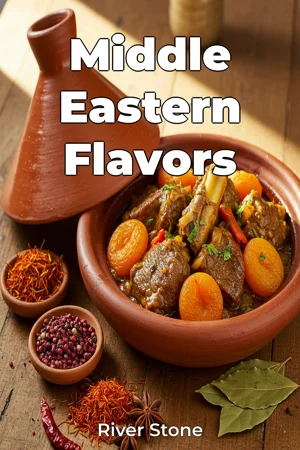
"Middle Eastern Flavors" explores the historical and cultural significance of Middle Eastern cuisine, focusing on spices, bread, and slow-cooked dishes. It reveals how these core elements reflect the region's hospitality, communal traditions, and ancestral narratives. Middle Eastern cuisine is more than just a collection of recipes; it's a vibrant cultural practice deeply rooted in history. The book argues that culinary traditions serve as a tangible link to the past, transmitting cultural memory across generations. For example, the persistent use of particular spices like cumin, the centrality of bread, and the art of slow cooking all signify a deep connection to ancestral traditions and the land. The book progresses methodically, beginning with the origins and historical trade routes of key spices, then moves into the world of diverse breads, from simple pita to festive loaves, exploring their preparation and cultural importance. Finally, it delves into slow-cooked dishes like tagines and stews, illuminating the historical reasons behind these methods. Drawing on historical cookbooks, travelogues, and archaeological findings, the book presents a comprehensive look at Middle Eastern culinary traditions, appealing to home cooks, food historians, and anyone interested in the cultural significance of food.
Book Details
ISBN
9788233972509
Publisher
Publifye AS
Your Licenses
You don't own any licenses for this book
Purchase a license below to unlock this book and download the EPUB.
Purchase License
Select a tier to unlock this book
Need bulk licensing?
Contact us for enterprise agreements.