
About This Book
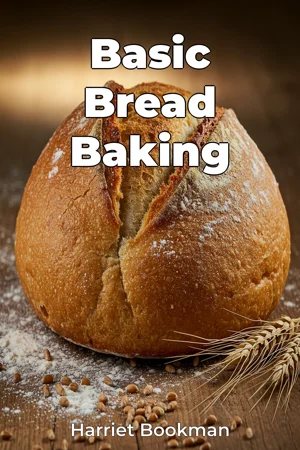
Have you ever wondered about the science and art behind creating the perfect loaf of bread? *Basic Bread Baking* delves into the fundamental principles and techniques of bread making, offering a comprehensive guide for both novice and experienced bakers. This book focuses on mastering the essential elements: dough handling, proofing, and understanding how ingredients interact to create diverse bread types. These elements are important because success in baking hinges on consistently executing these core techniques, transforming simple ingredients into culinary masterpieces. Our journey begins with context. We explore the historical significance of bread, its role in various cultures, and the evolution of baking methods over time. Readers will gain a foundational understanding of the science underpinning bread making, including the function of gluten, the activity of yeast, and the impact of different flour types. While no prior baking experience is strictly required, a basic understanding of kitchen measurements will be helpful. The central argument of *Basic Bread Baking* is that mastering a few foundational techniques unlocks the ability to create a wide variety of breads. Rather than simply providing recipes, this book empowers readers to understand the 'why' behind each step, leading to greater confidence and creativity in the kitchen. We emphasize that consistent results stem from understanding and controlling the variables involved in the baking process. The book is structured to guide the reader through a logical progression. First, we introduce the essential ingredients: flours, liquids, leavening agents (yeast and sourdough), and optional additions like salt, fats, and sweeteners. We dedicate significant attention to understanding the properties of each ingredient and how they contribute to the final product. Next, we delve into dough handling techniques, including mixing, kneading (both by hand and with a mixer), and shaping. We explain different kneading methods and their impact on gluten development. Proofing is covered in detail, exploring the role of temperature and humidity in yeast activity. We then move into specific bread types, such as basic white bread, whole wheat bread, and artisan loaves, demonstrating how the foundational techniques are applied and adapted. The book culminates with troubleshooting common baking problems and providing guidance on experimenting with different ingredients and techniques to develop personalized recipes. The content is supported by established baking references, scientific studies on gluten development and fermentation, and comparative analyses of different baking methods. We provide clear, step-by-step instructions with illustrative photographs and diagrams. *Basic Bread Baking* connects to several related fields. Food science provides the scientific basis for understanding ingredient interactions. Chemistry explains the processes of fermentation and gluten formation. Culinary arts offers the context for understanding how baking fits into broader culinary traditions. These connections enrich the reader's understanding of bread making and its place in the world. The book offers a unique approach by demystifying bread baking through a focus on fundamental principles rather than rote memorization of recipes. It empowers home bakers to think critically about their craft and adapt techniques to their own preferences and available resources. The tone is informative and accessible, avoiding overly technical jargon. The writing style is clear, concise, and practical, making the complex science behind bread baking understandable for a wide audience. The target audience includes home bakers of all skill levels, cooking enthusiasts, and anyone interested in understanding the science and art of bread making. This book is valuable to readers seeking to improve their baking skills, gain a deeper understanding of the baking process, and confidently create a variety of breads. As a cooking reference, *Basic Bread Baking* fulfills the genre's expectations by providing clear, accurate information, step-by-step instructions, and helpful troubleshooting tips. The book intentionally limits its scope to foundational techniques and common bread types, setting aside more advanced topics like laminated doughs or elaborate decorations. The information presented has real-world applications. Readers can use the techniques and knowledge gained to improve their everyday baking, experiment with new recipes, and troubleshoot common baking problems. While bread making is generally considered a safe activity, the book addresses food safety considerations, such as proper handling of raw dough and ensuring bread is fully baked to prevent foodborne illness. We also acknowledge debates within the baking community regarding the "best" methods for certain techniques and present a balanced perspective.
Have you ever wondered about the science and art behind creating the perfect loaf of bread? *Basic Bread Baking* delves into the fundamental principles and techniques of bread making, offering a comprehensive guide for both novice and experienced bakers. This book focuses on mastering the essential elements: dough handling, proofing, and understanding how ingredients interact to create diverse bread types. These elements are important because success in baking hinges on consistently executing these core techniques, transforming simple ingredients into culinary masterpieces. Our journey begins with context. We explore the historical significance of bread, its role in various cultures, and the evolution of baking methods over time. Readers will gain a foundational understanding of the science underpinning bread making, including the function of gluten, the activity of yeast, and the impact of different flour types. While no prior baking experience is strictly required, a basic understanding of kitchen measurements will be helpful. The central argument of *Basic Bread Baking* is that mastering a few foundational techniques unlocks the ability to create a wide variety of breads. Rather than simply providing recipes, this book empowers readers to understand the 'why' behind each step, leading to greater confidence and creativity in the kitchen. We emphasize that consistent results stem from understanding and controlling the variables involved in the baking process. The book is structured to guide the reader through a logical progression. First, we introduce the essential ingredients: flours, liquids, leavening agents (yeast and sourdough), and optional additions like salt, fats, and sweeteners. We dedicate significant attention to understanding the properties of each ingredient and how they contribute to the final product. Next, we delve into dough handling techniques, including mixing, kneading (both by hand and with a mixer), and shaping. We explain different kneading methods and their impact on gluten development. Proofing is covered in detail, exploring the role of temperature and humidity in yeast activity. We then move into specific bread types, such as basic white bread, whole wheat bread, and artisan loaves, demonstrating how the foundational techniques are applied and adapted. The book culminates with troubleshooting common baking problems and providing guidance on experimenting with different ingredients and techniques to develop personalized recipes. The content is supported by established baking references, scientific studies on gluten development and fermentation, and comparative analyses of different baking methods. We provide clear, step-by-step instructions with illustrative photographs and diagrams. *Basic Bread Baking* connects to several related fields. Food science provides the scientific basis for understanding ingredient interactions. Chemistry explains the processes of fermentation and gluten formation. Culinary arts offers the context for understanding how baking fits into broader culinary traditions. These connections enrich the reader's understanding of bread making and its place in the world. The book offers a unique approach by demystifying bread baking through a focus on fundamental principles rather than rote memorization of recipes. It empowers home bakers to think critically about their craft and adapt techniques to their own preferences and available resources. The tone is informative and accessible, avoiding overly technical jargon. The writing style is clear, concise, and practical, making the complex science behind bread baking understandable for a wide audience. The target audience includes home bakers of all skill levels, cooking enthusiasts, and anyone interested in understanding the science and art of bread making. This book is valuable to readers seeking to improve their baking skills, gain a deeper understanding of the baking process, and confidently create a variety of breads. As a cooking reference, *Basic Bread Baking* fulfills the genre's expectations by providing clear, accurate information, step-by-step instructions, and helpful troubleshooting tips. The book intentionally limits its scope to foundational techniques and common bread types, setting aside more advanced topics like laminated doughs or elaborate decorations. The information presented has real-world applications. Readers can use the techniques and knowledge gained to improve their everyday baking, experiment with new recipes, and troubleshoot common baking problems. While bread making is generally considered a safe activity, the book addresses food safety considerations, such as proper handling of raw dough and ensuring bread is fully baked to prevent foodborne illness. We also acknowledge debates within the baking community regarding the "best" methods for certain techniques and present a balanced perspective.
*Basic Bread Baking* unlocks the secrets to crafting delicious bread at home by focusing on fundamental techniques and baking science. This reference guide emphasizes that mastering core skills like dough handling and proofing empowers bakers to create a variety of breads. Readers will discover intriguing insights, such as how gluten development impacts texture and how yeast activity is affected by temperature. The book progresses logically, starting with essential ingredients and their properties, then moving into kneading and proofing methods, and finally exploring specific basic bread types. Rather than simply offering recipes, the book explains the "why" behind each step, fostering confidence and creativity. It uniquely demystifies bread baking by prioritizing understanding over rote recipe following. The approach emphasizes clear, step-by-step instructions and troubleshooting tips, making complex concepts accessible to all skill levels. Whether you're a novice or experienced baker, this book provides the tools and knowledge to confidently bake artisan bread and develop personalized recipes, all while enjoying the art of bread baking.
Book Details
ISBN
9788233972462
Publisher
Publifye AS
Your Licenses
You don't own any licenses for this book
Purchase a license below to unlock this book and download the EPUB.
Purchase License
Select a tier to unlock this book
Need bulk licensing?
Contact us for enterprise agreements.