
About This Book
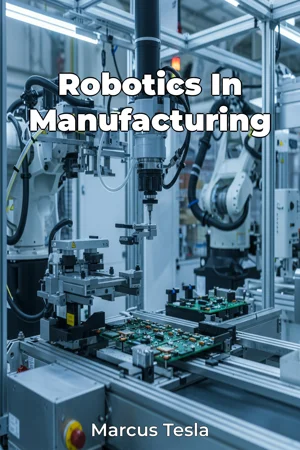
In today’s competitive global market, can manufacturers afford *not* to embrace robotics? *Robotics In Manufacturing* meticulously examines the transformative effects of automation on efficiency, productivity, and overall success within the manufacturing sector. This book delves into the core principles of robotics, focusing on its practical applications and strategic importance in modern manufacturing environments. It is essential reading for anyone seeking a comprehensive understanding of how robotics is reshaping industries. This book will primarily address the concepts of robotic integration, process optimization through automation, and the strategic deployment of robotics for competitive advantage. Why are these topics important? Because the effective implementation of robotics can drastically reduce operational costs, improve product quality, and enable manufacturers to respond more quickly to changing market demands. However, unsuccessful implementation can be costly and disruptive, making a deep understanding crucial. We begin by establishing a foundational understanding of the evolution of robotics in manufacturing, from early automated systems to today's sophisticated, AI-driven robots. The book then presents a detailed exploration of various robotic systems, including articulated robots, SCARA robots, and collaborative robots (cobots), outlining their strengths and weaknesses for different manufacturing tasks. The central argument of *Robotics In Manufacturing* posits that the strategic and informed application of robotics is no longer merely an option but a necessity for manufacturers aiming to thrive in the 21st century. The book argues that companies must move beyond simple automation and embrace intelligent robotics solutions that are adaptable, scalable, and integrated into the broader manufacturing ecosystem. The book is structured in three parts. The first part provides an introduction to the principles of robotics, including robot kinematics, dynamics, and control systems. The second section analyzes case studies from the automotive and electronics sectors, showcasing successful and unsuccessful robotics implementations. The final section draws conclusions about best practices, future trends, and the overall impact of robotics on the manufacturing workforce. This culminates in a discussion of the ethical and societal implications of widespread automation. The evidence presented throughout the book is drawn from a variety of sources, including academic research, industry reports, and real-world case studies. The case studies use performance metrics, ROI analysis, and comprehensive data to illustrate the tangible benefits and potential challenges of robotics adoption. *Robotics In Manufacturing* also intersects with the fields of computer science, data analytics, and business management. It explores how advancements in artificial intelligence are driving the development of more intelligent and autonomous robots. The book will also show how data analytics can be used to optimize robot performance and predict maintenance needs. Finally, it examines different business management structures and how they can facilitate or hinder the effective adoption of robotics technologies. The book's approach emphasizes practical application and strategic decision-making. It highlights the importance of a holistic approach to robotics implementation, considering not only the technical aspects but also the organizational, economic, and social implications. Written in a professional and informative style, the book is targeted toward manufacturing engineers, operations managers, business executives, and students in engineering and business programs. Readers will gain a comprehensive understanding of the technical, economic, and strategic aspects of robotics in manufacturing. The scope of the book is intentionally broad, covering a wide range of robotic systems and applications. It does not delve deeply into the specific programming or engineering details of individual robots. Rather, it focuses on providing a high-level overview of the key concepts and principles. Readers will learn how to assess their own manufacturing operations and develop a strategic plan for robotics implementation. They will also gain the knowledge and skills needed to evaluate different robotic systems, select the right robots for their specific needs, and manage the integration process effectively. Finally, *Robotics In Manufacturing* addresses ongoing debates about the impact of automation on employment and the potential for job displacement. It presents a balanced perspective, acknowledging the challenges while also highlighting the opportunities for new job creation and economic growth.
In today’s competitive global market, can manufacturers afford *not* to embrace robotics? *Robotics In Manufacturing* meticulously examines the transformative effects of automation on efficiency, productivity, and overall success within the manufacturing sector. This book delves into the core principles of robotics, focusing on its practical applications and strategic importance in modern manufacturing environments. It is essential reading for anyone seeking a comprehensive understanding of how robotics is reshaping industries. This book will primarily address the concepts of robotic integration, process optimization through automation, and the strategic deployment of robotics for competitive advantage. Why are these topics important? Because the effective implementation of robotics can drastically reduce operational costs, improve product quality, and enable manufacturers to respond more quickly to changing market demands. However, unsuccessful implementation can be costly and disruptive, making a deep understanding crucial. We begin by establishing a foundational understanding of the evolution of robotics in manufacturing, from early automated systems to today's sophisticated, AI-driven robots. The book then presents a detailed exploration of various robotic systems, including articulated robots, SCARA robots, and collaborative robots (cobots), outlining their strengths and weaknesses for different manufacturing tasks. The central argument of *Robotics In Manufacturing* posits that the strategic and informed application of robotics is no longer merely an option but a necessity for manufacturers aiming to thrive in the 21st century. The book argues that companies must move beyond simple automation and embrace intelligent robotics solutions that are adaptable, scalable, and integrated into the broader manufacturing ecosystem. The book is structured in three parts. The first part provides an introduction to the principles of robotics, including robot kinematics, dynamics, and control systems. The second section analyzes case studies from the automotive and electronics sectors, showcasing successful and unsuccessful robotics implementations. The final section draws conclusions about best practices, future trends, and the overall impact of robotics on the manufacturing workforce. This culminates in a discussion of the ethical and societal implications of widespread automation. The evidence presented throughout the book is drawn from a variety of sources, including academic research, industry reports, and real-world case studies. The case studies use performance metrics, ROI analysis, and comprehensive data to illustrate the tangible benefits and potential challenges of robotics adoption. *Robotics In Manufacturing* also intersects with the fields of computer science, data analytics, and business management. It explores how advancements in artificial intelligence are driving the development of more intelligent and autonomous robots. The book will also show how data analytics can be used to optimize robot performance and predict maintenance needs. Finally, it examines different business management structures and how they can facilitate or hinder the effective adoption of robotics technologies. The book's approach emphasizes practical application and strategic decision-making. It highlights the importance of a holistic approach to robotics implementation, considering not only the technical aspects but also the organizational, economic, and social implications. Written in a professional and informative style, the book is targeted toward manufacturing engineers, operations managers, business executives, and students in engineering and business programs. Readers will gain a comprehensive understanding of the technical, economic, and strategic aspects of robotics in manufacturing. The scope of the book is intentionally broad, covering a wide range of robotic systems and applications. It does not delve deeply into the specific programming or engineering details of individual robots. Rather, it focuses on providing a high-level overview of the key concepts and principles. Readers will learn how to assess their own manufacturing operations and develop a strategic plan for robotics implementation. They will also gain the knowledge and skills needed to evaluate different robotic systems, select the right robots for their specific needs, and manage the integration process effectively. Finally, *Robotics In Manufacturing* addresses ongoing debates about the impact of automation on employment and the potential for job displacement. It presents a balanced perspective, acknowledging the challenges while also highlighting the opportunities for new job creation and economic growth.
"Robotics In Manufacturing" examines the critical role of robotics and automation in modern manufacturing. It explores how strategic deployment of robotic systems, including articulated robots and collaborative robots (cobots), can optimize processes, improve product quality, and boost competitiveness. The book highlights that effective robotic integration is no longer optional but essential for manufacturers aiming for success. One intriguing insight is how AI-driven robots are increasingly adaptable, scalable, and integral to the manufacturing ecosystem, moving beyond simple automation. The book provides a comprehensive overview, starting with the evolution of robotics and covering various robotic systems and their strengths. Case studies from sectors like automotive and electronics showcase both successful and unsuccessful robotics implementations, using ROI analysis and performance metrics. It emphasizes a holistic approach, considering technical, economic, and social implications, and concludes with best practices and future trends.
Book Details
ISBN
9788233971816
Publisher
Publifye AS
Your Licenses
You don't own any licenses for this book
Purchase a license below to unlock this book and download the EPUB.
Purchase License
Select a tier to unlock this book
Need bulk licensing?
Contact us for enterprise agreements.