
About This Book
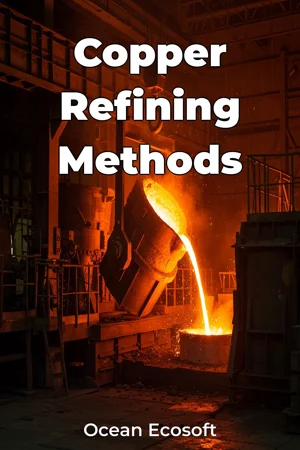
In a world increasingly reliant on copper for technological advancement, understanding the processes that deliver this vital metal is paramount. This book, *Copper Refining Methods*, delves into the two primary techniques employed in refining copper: smelting and electrolysis, providing a comprehensive analysis of each method's technical intricacies, economic viability, and environmental consequences. The significance of copper refining cannot be overstated. As a cornerstone of electrical wiring, plumbing, and numerous industrial applications, the demand for high-purity copper continues to surge. This book addresses the critical need for informed decision-making in the copper production industry, enabling stakeholders to optimize refining processes while mitigating ecological damage. A basic knowledge of chemistry and metallurgy would be helpful for the reader. The central argument put forth in *Copper Refining Methods* is that a holistic evaluation, encompassing both cost-effectiveness and environmental stewardship, is essential for selecting and implementing appropriate copper refining techniques. The book challenges the traditionally prioritized focus on economic gain, advocating for a balanced approach that considers the long-term sustainability of copper production. The book's structure is designed to provide a clear and progressive understanding of copper refining. It begins with an introduction to the fundamental principles of copper metallurgy. Following this, the book dedicates substantial attention to smelting, outlining the chemical reactions, equipment, and operational parameters involved. This section includes a discussion of various smelting technologies, such as flash smelting and electric furnace smelting, carefully weighing their advantages and disadvantages. The book subsequently provides an in-depth analysis of electrolytic refining, detailing the electrochemical processes, cell design, and electrolyte management crucial for achieving high-purity copper. A critical component of the book is an examination of the environmental impact of both smelting and electrolysis. It scrutinizes the emission of greenhouse gases and other pollutants and assesses waste disposal and energy consumption patterns. The book culminates in a discussion of innovative and emerging refining technologies, emphasizing the potential for reducing costs and minimizing environmental harm while simultaneously summarizing the benefits and drawbacks of each method. The information presented is supported by a wide range of research, including case studies of copper refineries worldwide, statistical analyses of production costs, and scientific assessments of environmental impacts. The book draws on data from governmental agencies, industry reports, and academic studies to provide a balanced and objective perspective. *Copper Refining Methods* establishes interdisciplinary connections with environmental science, economics, and materials science. The environmental science component addresses the ecological consequences of copper production, while the economic analysis evaluates the financial viability of different refining methods. The book presents a unique perspective by integrating technical expertise with environmental and economic considerations. This holistic approach provides readers with a comprehensive understanding of the challenges and opportunities in the copper refining industry. Written in an academic yet accessible style, this book is intended for a diverse audience, including engineering students, environmental scientists, policymakers, and industry professionals involved in copper production and supply chain management. It is particularly valuable for those seeking to make informed decisions about sustainable copper refining practices. As a work in the "Environment, Technology" genres, it adheres to the conventions of providing factual, evidence-based analysis and avoids subjective opinions or anecdotal evidence. The scope of this book is limited to the technical and economic aspects of copper refining, with a particular focus on smelting and electrolysis. While it acknowledges the social and political dimensions of resource extraction, it does not dwell on the broader geopolitical implications. The practical applications of this book are manifold. It serves as a valuable resource for engineers optimizing refining processes, policymakers developing environmental regulations, and investors evaluating the financial risks and opportunities within the copper industry. The book directly addresses the ongoing debates surrounding the environmental sustainability of copper production and presents data-driven analysis to inform these discussions. By offering a balanced and objective perspective, *Copper Refining Methods* aims to contribute to a more informed and sustainable future for the copper industry.
In a world increasingly reliant on copper for technological advancement, understanding the processes that deliver this vital metal is paramount. This book, *Copper Refining Methods*, delves into the two primary techniques employed in refining copper: smelting and electrolysis, providing a comprehensive analysis of each method's technical intricacies, economic viability, and environmental consequences. The significance of copper refining cannot be overstated. As a cornerstone of electrical wiring, plumbing, and numerous industrial applications, the demand for high-purity copper continues to surge. This book addresses the critical need for informed decision-making in the copper production industry, enabling stakeholders to optimize refining processes while mitigating ecological damage. A basic knowledge of chemistry and metallurgy would be helpful for the reader. The central argument put forth in *Copper Refining Methods* is that a holistic evaluation, encompassing both cost-effectiveness and environmental stewardship, is essential for selecting and implementing appropriate copper refining techniques. The book challenges the traditionally prioritized focus on economic gain, advocating for a balanced approach that considers the long-term sustainability of copper production. The book's structure is designed to provide a clear and progressive understanding of copper refining. It begins with an introduction to the fundamental principles of copper metallurgy. Following this, the book dedicates substantial attention to smelting, outlining the chemical reactions, equipment, and operational parameters involved. This section includes a discussion of various smelting technologies, such as flash smelting and electric furnace smelting, carefully weighing their advantages and disadvantages. The book subsequently provides an in-depth analysis of electrolytic refining, detailing the electrochemical processes, cell design, and electrolyte management crucial for achieving high-purity copper. A critical component of the book is an examination of the environmental impact of both smelting and electrolysis. It scrutinizes the emission of greenhouse gases and other pollutants and assesses waste disposal and energy consumption patterns. The book culminates in a discussion of innovative and emerging refining technologies, emphasizing the potential for reducing costs and minimizing environmental harm while simultaneously summarizing the benefits and drawbacks of each method. The information presented is supported by a wide range of research, including case studies of copper refineries worldwide, statistical analyses of production costs, and scientific assessments of environmental impacts. The book draws on data from governmental agencies, industry reports, and academic studies to provide a balanced and objective perspective. *Copper Refining Methods* establishes interdisciplinary connections with environmental science, economics, and materials science. The environmental science component addresses the ecological consequences of copper production, while the economic analysis evaluates the financial viability of different refining methods. The book presents a unique perspective by integrating technical expertise with environmental and economic considerations. This holistic approach provides readers with a comprehensive understanding of the challenges and opportunities in the copper refining industry. Written in an academic yet accessible style, this book is intended for a diverse audience, including engineering students, environmental scientists, policymakers, and industry professionals involved in copper production and supply chain management. It is particularly valuable for those seeking to make informed decisions about sustainable copper refining practices. As a work in the "Environment, Technology" genres, it adheres to the conventions of providing factual, evidence-based analysis and avoids subjective opinions or anecdotal evidence. The scope of this book is limited to the technical and economic aspects of copper refining, with a particular focus on smelting and electrolysis. While it acknowledges the social and political dimensions of resource extraction, it does not dwell on the broader geopolitical implications. The practical applications of this book are manifold. It serves as a valuable resource for engineers optimizing refining processes, policymakers developing environmental regulations, and investors evaluating the financial risks and opportunities within the copper industry. The book directly addresses the ongoing debates surrounding the environmental sustainability of copper production and presents data-driven analysis to inform these discussions. By offering a balanced and objective perspective, *Copper Refining Methods* aims to contribute to a more informed and sustainable future for the copper industry.
"Copper Refining Methods" offers a comprehensive exploration of the essential techniques used to produce high-purity copper. It focuses on smelting and electrolysis, the two primary refining methods, providing a technical analysis of their processes, economic viability, and environmental impact. The book emphasizes the rising demand for copper in various industrial applications, including electrical wiring and plumbing, which underscores the need for sustainable and efficient refining practices. One intriguing insight is the detailed examination of the environmental consequences, such as greenhouse gas emissions and waste disposal, associated with each refining method. The book challenges the traditional prioritization of economic gain in copper production, advocating for a balanced approach that considers both cost-effectiveness and environmental stewardship. It begins with fundamental principles, then progresses to in-depth analyses of smelting and electrolytic refining, including discussions of technologies like flash smelting. A unique aspect is its interdisciplinary approach, connecting technical expertise with environmental science and economics. By integrating case studies, statistical analyses, and data from various sources, the book provides a balanced and objective perspective. It’s particularly valuable for those seeking to make informed decisions about sustainable copper refining practices.
Book Details
ISBN
9788233971700
Publisher
Publifye AS
Your Licenses
You don't own any licenses for this book
Purchase a license below to unlock this book and download the EPUB.
Purchase License
Select a tier to unlock this book
Need bulk licensing?
Contact us for enterprise agreements.