
About This Book
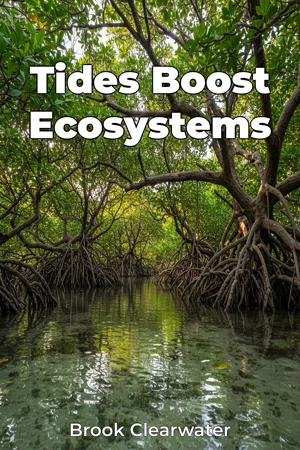
Have you ever considered the vital, yet often overlooked, role that tides play in shaping and sustaining coastal ecosystems? "Tides Boost Ecosystems" delves into the intricate relationship between tidal fluctuations and the health and biodiversity of our coastlines, focusing specifically on salt marshes and mangrove forests. These dynamic ecosystems are heavily reliant on the rhythmic ebb and flow of the tides, which deliver nutrients, remove waste, and influence the physical environment in ways that directly support a wide array of plant and animal life. This book is essential because understanding tidal influences is crucial for effective coastal management and conservation strategies, especially in the face of rising sea levels and intensifying coastal development. We will explore how tidal regimes underpin the very existence of these habitats and the multitude of species they support. We provide the context necessary to understand the often complex interplay of physical and biological processes that shape these environments. No advanced scientific knowledge is needed – we start with an accessible overview of tidal dynamics before delving into the ecological specifics. Our central argument is that regular tidal inundation is not merely a background condition for coastal ecosystems, but rather an essential driver of their productivity, resilience, and biodiversity. The importance of this perspective lies in its implications for conservation efforts; it emphasizes the need to preserve natural tidal patterns and hydrological connectivity to ensure the long-term health of these valuable ecosystems. The book is structured to first introduce the basic principles of tidal science, explaining the gravitational forces that drive tides and the various types of tidal patterns observed globally. We then move on to explore the specific ways in which tides influence salt marsh and mangrove ecosystems. Key topics covered include the role of tides in nutrient cycling, sediment transport, and the zonation of plant and animal communities. The following sections detail the adaptation strategies of organisms living in these intertidal zones, highlighting the unique challenges and opportunities presented by fluctuating water levels. We examine how tides influence species interactions, such as predator-prey relationships and competition for resources. The culmination of the book focuses on the impacts of human activities on tidal regimes and the potential consequences for coastal ecosystems, concluding with practical strategies for mitigating these impacts and promoting sustainable coastal management. The evidence and research presented in this book draw from a wide range of sources, including long-term ecological monitoring studies, experimental manipulations of tidal flows, and hydrodynamic modeling. We will analyze data from diverse geographical locations, showcasing the global relevance of tidal influences on coastal ecosystems. This book bridges the gap between the fields of oceanography, ecology, and conservation biology, demonstrating how an interdisciplinary approach is necessary for understanding and managing coastal resources effectively. Furthermore, this work connects to broader discussions about climate change adaptation and the role of natural ecosystems in mitigating the impacts of sea-level rise. Our unique approach lies in synthesizing a vast body of scientific literature into a coherent and accessible narrative, highlighting the critical role of tides in shaping coastal ecosystems and the urgent need to protect these vital habitats. The tone is informative and engaging, aiming to inspire a deeper appreciation for the natural world and a commitment to conservation action. The target audience includes students, researchers, coastal managers, policymakers, and anyone interested in learning more about the ecology of our coastlines. This book offers valuable insights for those seeking to understand the complex interactions between tides and ecosystems and is an invaluable resource for those involved in coastal conservation and management. As a work of non-fiction science, this book adheres to the standards of accuracy, objectivity, and evidence-based reasoning. While the book provides a comprehensive overview of tidal influences on salt marshes and mangroves, it intentionally limits its scope to these two key ecosystem types, acknowledging that other coastal habitats, such as mudflats and seagrass beds, are also influenced by tides but warrant separate and dedicated study. The information in this book can inform practical decisions related to coastal development, restoration projects, and the establishment of marine protected areas. It provides a scientific basis for advocating for policies that protect natural tidal flows and hydrological connectivity, ensuring the long-term health and resilience of our coastlines. This book addresses ongoing debates about the best approaches to coastal management, advocating for a holistic perspective that considers the ecological role of tides.
Have you ever considered the vital, yet often overlooked, role that tides play in shaping and sustaining coastal ecosystems? "Tides Boost Ecosystems" delves into the intricate relationship between tidal fluctuations and the health and biodiversity of our coastlines, focusing specifically on salt marshes and mangrove forests. These dynamic ecosystems are heavily reliant on the rhythmic ebb and flow of the tides, which deliver nutrients, remove waste, and influence the physical environment in ways that directly support a wide array of plant and animal life. This book is essential because understanding tidal influences is crucial for effective coastal management and conservation strategies, especially in the face of rising sea levels and intensifying coastal development. We will explore how tidal regimes underpin the very existence of these habitats and the multitude of species they support. We provide the context necessary to understand the often complex interplay of physical and biological processes that shape these environments. No advanced scientific knowledge is needed – we start with an accessible overview of tidal dynamics before delving into the ecological specifics. Our central argument is that regular tidal inundation is not merely a background condition for coastal ecosystems, but rather an essential driver of their productivity, resilience, and biodiversity. The importance of this perspective lies in its implications for conservation efforts; it emphasizes the need to preserve natural tidal patterns and hydrological connectivity to ensure the long-term health of these valuable ecosystems. The book is structured to first introduce the basic principles of tidal science, explaining the gravitational forces that drive tides and the various types of tidal patterns observed globally. We then move on to explore the specific ways in which tides influence salt marsh and mangrove ecosystems. Key topics covered include the role of tides in nutrient cycling, sediment transport, and the zonation of plant and animal communities. The following sections detail the adaptation strategies of organisms living in these intertidal zones, highlighting the unique challenges and opportunities presented by fluctuating water levels. We examine how tides influence species interactions, such as predator-prey relationships and competition for resources. The culmination of the book focuses on the impacts of human activities on tidal regimes and the potential consequences for coastal ecosystems, concluding with practical strategies for mitigating these impacts and promoting sustainable coastal management. The evidence and research presented in this book draw from a wide range of sources, including long-term ecological monitoring studies, experimental manipulations of tidal flows, and hydrodynamic modeling. We will analyze data from diverse geographical locations, showcasing the global relevance of tidal influences on coastal ecosystems. This book bridges the gap between the fields of oceanography, ecology, and conservation biology, demonstrating how an interdisciplinary approach is necessary for understanding and managing coastal resources effectively. Furthermore, this work connects to broader discussions about climate change adaptation and the role of natural ecosystems in mitigating the impacts of sea-level rise. Our unique approach lies in synthesizing a vast body of scientific literature into a coherent and accessible narrative, highlighting the critical role of tides in shaping coastal ecosystems and the urgent need to protect these vital habitats. The tone is informative and engaging, aiming to inspire a deeper appreciation for the natural world and a commitment to conservation action. The target audience includes students, researchers, coastal managers, policymakers, and anyone interested in learning more about the ecology of our coastlines. This book offers valuable insights for those seeking to understand the complex interactions between tides and ecosystems and is an invaluable resource for those involved in coastal conservation and management. As a work of non-fiction science, this book adheres to the standards of accuracy, objectivity, and evidence-based reasoning. While the book provides a comprehensive overview of tidal influences on salt marshes and mangroves, it intentionally limits its scope to these two key ecosystem types, acknowledging that other coastal habitats, such as mudflats and seagrass beds, are also influenced by tides but warrant separate and dedicated study. The information in this book can inform practical decisions related to coastal development, restoration projects, and the establishment of marine protected areas. It provides a scientific basis for advocating for policies that protect natural tidal flows and hydrological connectivity, ensuring the long-term health and resilience of our coastlines. This book addresses ongoing debates about the best approaches to coastal management, advocating for a holistic perspective that considers the ecological role of tides.
"Tides Boost Ecosystems" explores the crucial role of tides in shaping coastal ecosystems like salt marshes and mangrove forests. Tides aren't just a backdrop; they're essential drivers, delivering vital nutrients and removing waste, directly impacting biodiversity. These dynamic ecosystems depend on the rhythmic ebb and flow, influencing the physical environment and supporting a wide array of plant and animal life. For example, the book highlights how tidal patterns affect nutrient cycling, sediment transport, and the distribution of plant and animal communities. The book emphasizes that understanding these tidal influences is critical for effective coastal management and conservation, especially with rising sea levels. Presenting information accessibly, it starts with an overview of tidal dynamics before delving into the ecological specifics, bridging oceanography, ecology, and conservation biology. It progresses from basic tidal science, explaining gravitational forces and tidal patterns, to specific impacts on salt marshes and mangroves, concluding with strategies for mitigating human impacts and promoting sustainable management.
Book Details
ISBN
9788233971366
Publisher
Publifye AS
Your Licenses
You don't own any licenses for this book
Purchase a license below to unlock this book and download the EPUB.
Purchase License
Select a tier to unlock this book
Need bulk licensing?
Contact us for enterprise agreements.