
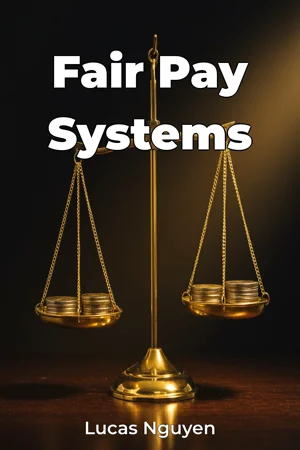
About This Book
Are current compensation models truly equitable, or do they perpetuate hidden biases and inefficiencies that undermine both employee morale and organizational success? "Fair Pay Systems" delves into the complexities of designing and implementing compensation structures that are not only competitive but also perceived as fair by all stakeholders. This book tackles two critical areas: understanding the economic principles that underpin wage determination and developing practical strategies for creating transparent and equitable pay systems. Understanding the intricacies of compensation is vital for fostering a motivated workforce, attracting top talent, and maintaining a sustainable competitive advantage in today's dynamic business environment. This book provides historical context by tracing the evolution of wage theories from classical economics to modern behavioral economics. It examines the limitations of traditional models based solely on supply and demand, highlighting how factors such as cognitive biases, social norms, and institutional power dynamics influence actual wage outcomes. Readers need some basic familiarity with economic concepts like supply and demand, productivity measurement, and statistical analysis to fully grasp the nuances of the arguments presented. At its core, "Fair Pay Systems" argues that truly equitable compensation requires a multi-faceted approach that goes beyond simply matching market rates. It emphasizes the importance of internal equity (fairness among employees within the same organization) and procedural justice (transparency and impartiality in the compensation process). This argument is crucial because it challenges conventional wisdom that focuses solely on external competitiveness, demonstrating that perceived fairness significantly impacts employee engagement, productivity, and retention. The book’s structure begins with an introduction to fundamental economic principles related to wage determination and productivity measurement. It then proceeds to develop the argument for a more holistic approach to compensation, examining key factors such as job evaluation methodologies, performance appraisal systems, and pay transparency practices. The analysis includes a comprehensive review of economic research on the relationship between wages, productivity, and employee motivation, drawing on both theoretical models and empirical studies. Different compensation models, including skill-based pay, team-based pay, and profit-sharing plans, are evaluated for their impact on equity and efficiency. Finally, the book culminates in practical guidelines for designing and implementing fair pay systems, addressing issues such as pay audits, communication strategies, and legal compliance. The evidence presented consists of a blend of economic data, case studies of organizations that have successfully implemented fair pay systems, and surveys of employee perceptions of pay equity. Unique data sources include proprietary compensation surveys and internal data from organizations committed to pay transparency. "Fair Pay Systems" connects to several other fields, including organizational psychology (understanding employee motivation and perceptions), sociology (examining social norms and power dynamics in the workplace), and law (navigating legal requirements related to equal pay and non-discrimination). These connections enhance the book's argument by providing a more comprehensive understanding of the factors that influence compensation outcomes. The book offers a unique perspective by integrating economic analysis with practical insights from organizational behavior and human resource management. It moves beyond simplistic models to offer a nuanced understanding of the complexities of fair pay and its impact on organizational performance. Written in a professional yet accessible style, "Fair Pay Systems" is aimed at business leaders, human resource professionals, compensation specialists, and anyone interested in understanding the principles of fair pay. It is particularly valuable for organizations seeking to improve employee morale, reduce turnover, and enhance their competitive advantage through equitable compensation practices. As a management and economics book, "Fair Pay Systems" adheres to the conventions of providing evidence-based recommendations and practical guidance for improving organizational outcomes. The scope of the book is limited to compensation systems within organizations, with a focus on internal equity and procedural justice. It does not delve into broader issues of income inequality or government policies related to minimum wages. The information in the book can be applied practically by readers through the implementation of pay audits, the redesign of job evaluation systems, and the development of communication strategies to promote pay transparency. Furthermore, the book addresses ongoing debates in the field, such as the effectiveness of pay transparency policies and the role of artificial intelligence in setting fair wages.
Are current compensation models truly equitable, or do they perpetuate hidden biases and inefficiencies that undermine both employee morale and organizational success? "Fair Pay Systems" delves into the complexities of designing and implementing compensation structures that are not only competitive but also perceived as fair by all stakeholders. This book tackles two critical areas: understanding the economic principles that underpin wage determination and developing practical strategies for creating transparent and equitable pay systems. Understanding the intricacies of compensation is vital for fostering a motivated workforce, attracting top talent, and maintaining a sustainable competitive advantage in today's dynamic business environment. This book provides historical context by tracing the evolution of wage theories from classical economics to modern behavioral economics. It examines the limitations of traditional models based solely on supply and demand, highlighting how factors such as cognitive biases, social norms, and institutional power dynamics influence actual wage outcomes. Readers need some basic familiarity with economic concepts like supply and demand, productivity measurement, and statistical analysis to fully grasp the nuances of the arguments presented. At its core, "Fair Pay Systems" argues that truly equitable compensation requires a multi-faceted approach that goes beyond simply matching market rates. It emphasizes the importance of internal equity (fairness among employees within the same organization) and procedural justice (transparency and impartiality in the compensation process). This argument is crucial because it challenges conventional wisdom that focuses solely on external competitiveness, demonstrating that perceived fairness significantly impacts employee engagement, productivity, and retention. The book’s structure begins with an introduction to fundamental economic principles related to wage determination and productivity measurement. It then proceeds to develop the argument for a more holistic approach to compensation, examining key factors such as job evaluation methodologies, performance appraisal systems, and pay transparency practices. The analysis includes a comprehensive review of economic research on the relationship between wages, productivity, and employee motivation, drawing on both theoretical models and empirical studies. Different compensation models, including skill-based pay, team-based pay, and profit-sharing plans, are evaluated for their impact on equity and efficiency. Finally, the book culminates in practical guidelines for designing and implementing fair pay systems, addressing issues such as pay audits, communication strategies, and legal compliance. The evidence presented consists of a blend of economic data, case studies of organizations that have successfully implemented fair pay systems, and surveys of employee perceptions of pay equity. Unique data sources include proprietary compensation surveys and internal data from organizations committed to pay transparency. "Fair Pay Systems" connects to several other fields, including organizational psychology (understanding employee motivation and perceptions), sociology (examining social norms and power dynamics in the workplace), and law (navigating legal requirements related to equal pay and non-discrimination). These connections enhance the book's argument by providing a more comprehensive understanding of the factors that influence compensation outcomes. The book offers a unique perspective by integrating economic analysis with practical insights from organizational behavior and human resource management. It moves beyond simplistic models to offer a nuanced understanding of the complexities of fair pay and its impact on organizational performance. Written in a professional yet accessible style, "Fair Pay Systems" is aimed at business leaders, human resource professionals, compensation specialists, and anyone interested in understanding the principles of fair pay. It is particularly valuable for organizations seeking to improve employee morale, reduce turnover, and enhance their competitive advantage through equitable compensation practices. As a management and economics book, "Fair Pay Systems" adheres to the conventions of providing evidence-based recommendations and practical guidance for improving organizational outcomes. The scope of the book is limited to compensation systems within organizations, with a focus on internal equity and procedural justice. It does not delve into broader issues of income inequality or government policies related to minimum wages. The information in the book can be applied practically by readers through the implementation of pay audits, the redesign of job evaluation systems, and the development of communication strategies to promote pay transparency. Furthermore, the book addresses ongoing debates in the field, such as the effectiveness of pay transparency policies and the role of artificial intelligence in setting fair wages.
"Fair Pay Systems" explores the crucial topic of equitable compensation, arguing that fair pay goes beyond simply matching market rates. It dives into designing compensation structures that foster employee morale and drive organizational success. The book highlights how cognitive biases and social norms can distort wage outcomes, demonstrating that perceived fairness significantly boosts employee engagement and retention. Understanding wage determination and creating transparent pay systems are vital for attracting talent and sustaining a competitive edge. The book traces the evolution of wage theories, from classical economics to behavioral insights, emphasizing internal equity and procedural justice. It begins with fundamental economic principles, then develops a holistic approach to compensation. Different compensation models like skill-based pay are evaluated, and the book culminates with practical guidelines for implementing fair pay systems. Through economic data, case studies, and employee surveys, "Fair Pay Systems" provides evidence-based recommendations for business leaders and HR professionals. By integrating economic analysis with organizational behavior, the book navigates the complexities of fair pay, offering insights into pay transparency and the design of equitable compensation models.
Book Details
ISBN
9788233971243
Publisher
Publifye AS
Your Licenses
You don't own any licenses for this book
Purchase a license below to unlock this book and download the EPUB.
Purchase License
Select a tier to unlock this book
Need bulk licensing?
Contact us for enterprise agreements.