
About This Book
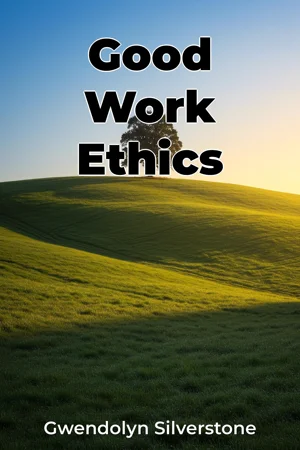
What truly defines success in the modern business landscape: raw talent, aggressive strategy, or something more fundamental? "Good Work Ethics" argues that a strong ethical foundation is not merely a desirable attribute but an indispensable component of sustainable success in management and business. This book delves into the core principles that underpin ethical conduct, providing actionable insights and real-world examples to guide professionals at all levels. We explore two main topics: the theoretical frameworks of business ethics and the practical application of these principles in diverse organizational settings. Honesty, often perceived as a simple concept, is explored in depth, examining its nuances in negotiations, reporting, and internal communications. Diligence is presented not just as hard work but as a commitment to excellence, encompassing thoroughness, attention to detail, and a proactive approach to problem-solving. These topics are crucial because they address the root causes of many business failures, from reputational damage to legal battles, demonstrating that ethical lapses are rarely isolated incidents but rather symptoms of deeper systemic issues. While the concept of ethics in business has existed for centuries, its importance has surged in recent decades due to increased scrutiny, globalization, and the rise of social media, where ethical missteps can quickly become public knowledge. The reader will benefit from a basic understanding of business principles and organizational structures. "Good Work Ethics" posits that ethical conduct is not just about avoiding legal repercussions; it is about building trust, fostering innovation, and creating a positive organizational culture. The book asserts that companies with strong ethical standards consistently outperform their less scrupulous counterparts over the long term. The book is structured to provide a comprehensive understanding of work ethics. It starts by introducing core ethical concepts and frameworks, laying the groundwork for understanding the complexities of ethical decision-making. We then develop these ideas through detailed analysis of real-world case studies, examining instances where ethical conduct led to positive outcomes and, conversely, where ethical failures resulted in significant consequences. This section includes examples spanning various industries and organizational sizes. The book culminates by offering practical strategies for implementing ethical practices within organizations, focusing on creating a culture of accountability, transparency, and ethical leadership. The evidence presented includes detailed analyses of publicly available reports, academic research on corporate governance, and exclusive interviews with business leaders known for their commitment to ethical practices. The methodology involves a combination of qualitative case study analysis and quantitative data analysis to demonstrate the correlation between ethical conduct and business performance. "Good Work Ethics" connects to various fields, including law, organizational psychology, and economics. The legal connections highlight the importance of compliance and regulatory frameworks, the psychological connections explore the behavioral aspects of ethical decision-making, and the economic connections demonstrate the tangible financial benefits of ethical behavior. These interdisciplinary connections enrich the book's argument by providing a holistic perspective on the role of ethics in business. What sets this study apart is its unique focus on practical implementation. While many books discuss ethical theory, this one bridges the gap between theory and practice, providing concrete tools and strategies that readers can use to improve their work ethics, their teams, and their organizations. Written in a clear, accessible style, the book avoids jargon and academic complexity, making it suitable for a broad audience, including students, managers, entrepreneurs, and anyone interested in improving their ethical decision-making skills. "Good Work Ethics" is specifically tailored to managers looking to improve their leadership skills, business students seeking a deeper understanding of corporate responsibility, and entrepreneurs aiming to build ethical and sustainable businesses. The book aligns with the conventions of the management and business genres by providing actionable advice, real-world examples, and practical tools that readers can apply to their daily work. The scope of the book is intentionally broad, covering a wide range of ethical issues that arise in different business contexts. However, it does not delve into specific industry regulations or legal frameworks, as these vary significantly across different sectors and jurisdictions. Readers will discover how to identify and address ethical dilemmas, implement ethical training programs, and foster a culture of ethical conduct within their organizations. By adopting the principles outlined in this book, readers can enhance their decision-making skills, build stronger relationships with stakeholders, and achieve sustainable success in their careers and businesses. While the importance of ethics in business is widely acknowledged, there are ongoing debates about the most effective ways to promote ethical behavior. This book addresses these controversies by presenting a balanced perspective, acknowledging the challenges of ethical decision-making, and offering practical solutions for navigating complex ethical issues.
What truly defines success in the modern business landscape: raw talent, aggressive strategy, or something more fundamental? "Good Work Ethics" argues that a strong ethical foundation is not merely a desirable attribute but an indispensable component of sustainable success in management and business. This book delves into the core principles that underpin ethical conduct, providing actionable insights and real-world examples to guide professionals at all levels. We explore two main topics: the theoretical frameworks of business ethics and the practical application of these principles in diverse organizational settings. Honesty, often perceived as a simple concept, is explored in depth, examining its nuances in negotiations, reporting, and internal communications. Diligence is presented not just as hard work but as a commitment to excellence, encompassing thoroughness, attention to detail, and a proactive approach to problem-solving. These topics are crucial because they address the root causes of many business failures, from reputational damage to legal battles, demonstrating that ethical lapses are rarely isolated incidents but rather symptoms of deeper systemic issues. While the concept of ethics in business has existed for centuries, its importance has surged in recent decades due to increased scrutiny, globalization, and the rise of social media, where ethical missteps can quickly become public knowledge. The reader will benefit from a basic understanding of business principles and organizational structures. "Good Work Ethics" posits that ethical conduct is not just about avoiding legal repercussions; it is about building trust, fostering innovation, and creating a positive organizational culture. The book asserts that companies with strong ethical standards consistently outperform their less scrupulous counterparts over the long term. The book is structured to provide a comprehensive understanding of work ethics. It starts by introducing core ethical concepts and frameworks, laying the groundwork for understanding the complexities of ethical decision-making. We then develop these ideas through detailed analysis of real-world case studies, examining instances where ethical conduct led to positive outcomes and, conversely, where ethical failures resulted in significant consequences. This section includes examples spanning various industries and organizational sizes. The book culminates by offering practical strategies for implementing ethical practices within organizations, focusing on creating a culture of accountability, transparency, and ethical leadership. The evidence presented includes detailed analyses of publicly available reports, academic research on corporate governance, and exclusive interviews with business leaders known for their commitment to ethical practices. The methodology involves a combination of qualitative case study analysis and quantitative data analysis to demonstrate the correlation between ethical conduct and business performance. "Good Work Ethics" connects to various fields, including law, organizational psychology, and economics. The legal connections highlight the importance of compliance and regulatory frameworks, the psychological connections explore the behavioral aspects of ethical decision-making, and the economic connections demonstrate the tangible financial benefits of ethical behavior. These interdisciplinary connections enrich the book's argument by providing a holistic perspective on the role of ethics in business. What sets this study apart is its unique focus on practical implementation. While many books discuss ethical theory, this one bridges the gap between theory and practice, providing concrete tools and strategies that readers can use to improve their work ethics, their teams, and their organizations. Written in a clear, accessible style, the book avoids jargon and academic complexity, making it suitable for a broad audience, including students, managers, entrepreneurs, and anyone interested in improving their ethical decision-making skills. "Good Work Ethics" is specifically tailored to managers looking to improve their leadership skills, business students seeking a deeper understanding of corporate responsibility, and entrepreneurs aiming to build ethical and sustainable businesses. The book aligns with the conventions of the management and business genres by providing actionable advice, real-world examples, and practical tools that readers can apply to their daily work. The scope of the book is intentionally broad, covering a wide range of ethical issues that arise in different business contexts. However, it does not delve into specific industry regulations or legal frameworks, as these vary significantly across different sectors and jurisdictions. Readers will discover how to identify and address ethical dilemmas, implement ethical training programs, and foster a culture of ethical conduct within their organizations. By adopting the principles outlined in this book, readers can enhance their decision-making skills, build stronger relationships with stakeholders, and achieve sustainable success in their careers and businesses. While the importance of ethics in business is widely acknowledged, there are ongoing debates about the most effective ways to promote ethical behavior. This book addresses these controversies by presenting a balanced perspective, acknowledging the challenges of ethical decision-making, and offering practical solutions for navigating complex ethical issues.
"Good Work Ethics" argues that a strong ethical foundation is crucial for sustainable success in business and management. It explores the principles underpinning ethical conduct, offering actionable insights and real-world examples applicable across various organizational levels. The book highlights that ethical lapses often stem from deeper systemic issues, affecting a company's reputation and financial performance. Honesty in negotiations and diligence as a commitment to excellence are discussed in depth. The book starts by introducing core ethical concepts, progressing to detailed analyses of real-world case studies, and culminates with practical strategies for implementing ethical practices. It emphasizes building trust, fostering innovation, and creating a positive organizational culture as key benefits of ethical conduct. "Good Work Ethics" demonstrates that companies with strong ethical standards often outperform their less scrupulous counterparts. What sets this book apart is its focus on practical implementation, bridging the gap between ethical theory and real-world application. It's tailored for managers seeking to improve leadership skills, business students aiming to understand corporate responsibility, and entrepreneurs building ethical businesses by providing concrete tools and strategies to improve work ethics, enhance ethical decision-making, and address ethical dilemmas.
Book Details
ISBN
9788233971236
Publisher
Publifye AS
Your Licenses
You don't own any licenses for this book
Purchase a license below to unlock this book and download the EPUB.
Purchase License
Select a tier to unlock this book
Need bulk licensing?
Contact us for enterprise agreements.