
About This Book
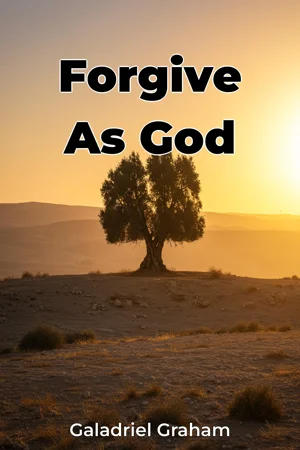
What does it truly mean to forgive as God forgives? "Forgive As God" delves into this profound question, exploring the depths of divine forgiveness as revealed throughout the Biblical narrative. This study examines the key theological concepts of grace, mercy, and reconciliation, uncovering patterns of forgiveness in both the Old and New Testaments and offering insights into their significance for contemporary understanding. At the heart of this book lies an exploration of divine forgiveness as a transformative act, not merely a legal transaction. This concept is vital because it shapes our understanding of God’s character, our relationship with Him, and our interactions with others. The book argues that grasping the nuances of divine forgiveness is essential for genuine spiritual growth and the pursuit of justice and peace in the world. The book begins by establishing a foundation in the Old Testament, specifically analyzing pivotal moments in Exodus, such as the aftermath of the Golden Calf incident, and the prophetic messages of Isaiah, illuminating the conditions and consequences of divine pardon. These instances reveal God's willingness to forgive even in the face of profound transgression, but also underscore the importance of repentance and a changed heart. The analysis then transitions to the New Testament, focusing on the teachings of Jesus in the Gospels and the theological expositions in the Pauline epistles. The book investigates how Jesus's life, death, and resurrection fundamentally altered the understanding of forgiveness, emphasizing grace as a free and unmerited gift extended to all who believe. "Forgive As God" is structured to guide the reader through a comprehensive understanding of its central themes. The introduction sets the stage by defining key terms like grace, mercy, reconciliation, and atonement within their Biblical contexts. The subsequent sections are organized around major points of analysis: first, an exploration of the Old Testament roots of forgiveness, highlighting God's covenantal relationship with Israel and the role of sacrifice in seeking atonement; second, an in-depth examination of Jesus's teachings and actions, focusing on parables such as the Prodigal Son and the implications of his sacrificial death; and third, an analysis of the New Testament epistles, particularly Paul's writings, which articulate the theological framework for understanding forgiveness as a central aspect of Christian faith and practice. The book culminates in exploring the implications of divine forgiveness for interpersonal relationships, social justice, and personal transformation. The arguments presented are supported by close textual analysis of Biblical passages, drawing upon historical and cultural contexts to illuminate the original meaning and intent. The book also incorporates insights from theological scholarship and ethical frameworks to offer a balanced and nuanced perspective. This book connects to other fields of study like ethics, sociology, and psychology. Ethical considerations arise when exploring the limits of forgiveness and the tension between justice and mercy. Sociological perspectives shed light on the impact of forgiveness on community reconciliation and social healing. Psychological insights deepen our understanding of the emotional and cognitive processes involved in both seeking and granting forgiveness. This book distinguishes itself by offering a holistic and integrated approach, bridging the gap between Old and New Testament perspectives on forgiveness. The tone is both scholarly and accessible, aiming to engage readers with intellectual rigor while remaining grounded in practical relevance. The intended audience includes pastors, theologians, students of Biblical studies, and anyone seeking a deeper understanding of forgiveness from a Biblical perspective. The book is valuable to those seeking to reconcile their faith with the complexities of human relationships and the challenges of a broken world. As a work of Biblical reference and Biblical studies, "Forgive As God" upholds the standards of academic rigor while remaining accessible to a wide audience. The scope is intentionally limited to the Biblical text, recognizing the vastness of the topic and the need for focused analysis. While acknowledging the complexities and nuances of interpreting scripture, the book seeks to provide a clear and coherent framework for understanding divine forgiveness. The principles explored within this book have real-world applications in conflict resolution, restorative justice, and personal healing. Understanding God's pattern of forgiveness can empower individuals and communities to break cycles of resentment, build bridges of reconciliation, and create a more just and compassionate world. Throughout the book, implicit controversies surrounding the interpretation of specific Biblical passages and the application of forgiveness in complex ethical situations are addressed. By acknowledging these debates, "Forgive As God" aims to foster a more nuanced and informed understanding of divine forgiveness.
What does it truly mean to forgive as God forgives? "Forgive As God" delves into this profound question, exploring the depths of divine forgiveness as revealed throughout the Biblical narrative. This study examines the key theological concepts of grace, mercy, and reconciliation, uncovering patterns of forgiveness in both the Old and New Testaments and offering insights into their significance for contemporary understanding. At the heart of this book lies an exploration of divine forgiveness as a transformative act, not merely a legal transaction. This concept is vital because it shapes our understanding of God’s character, our relationship with Him, and our interactions with others. The book argues that grasping the nuances of divine forgiveness is essential for genuine spiritual growth and the pursuit of justice and peace in the world. The book begins by establishing a foundation in the Old Testament, specifically analyzing pivotal moments in Exodus, such as the aftermath of the Golden Calf incident, and the prophetic messages of Isaiah, illuminating the conditions and consequences of divine pardon. These instances reveal God's willingness to forgive even in the face of profound transgression, but also underscore the importance of repentance and a changed heart. The analysis then transitions to the New Testament, focusing on the teachings of Jesus in the Gospels and the theological expositions in the Pauline epistles. The book investigates how Jesus's life, death, and resurrection fundamentally altered the understanding of forgiveness, emphasizing grace as a free and unmerited gift extended to all who believe. "Forgive As God" is structured to guide the reader through a comprehensive understanding of its central themes. The introduction sets the stage by defining key terms like grace, mercy, reconciliation, and atonement within their Biblical contexts. The subsequent sections are organized around major points of analysis: first, an exploration of the Old Testament roots of forgiveness, highlighting God's covenantal relationship with Israel and the role of sacrifice in seeking atonement; second, an in-depth examination of Jesus's teachings and actions, focusing on parables such as the Prodigal Son and the implications of his sacrificial death; and third, an analysis of the New Testament epistles, particularly Paul's writings, which articulate the theological framework for understanding forgiveness as a central aspect of Christian faith and practice. The book culminates in exploring the implications of divine forgiveness for interpersonal relationships, social justice, and personal transformation. The arguments presented are supported by close textual analysis of Biblical passages, drawing upon historical and cultural contexts to illuminate the original meaning and intent. The book also incorporates insights from theological scholarship and ethical frameworks to offer a balanced and nuanced perspective. This book connects to other fields of study like ethics, sociology, and psychology. Ethical considerations arise when exploring the limits of forgiveness and the tension between justice and mercy. Sociological perspectives shed light on the impact of forgiveness on community reconciliation and social healing. Psychological insights deepen our understanding of the emotional and cognitive processes involved in both seeking and granting forgiveness. This book distinguishes itself by offering a holistic and integrated approach, bridging the gap between Old and New Testament perspectives on forgiveness. The tone is both scholarly and accessible, aiming to engage readers with intellectual rigor while remaining grounded in practical relevance. The intended audience includes pastors, theologians, students of Biblical studies, and anyone seeking a deeper understanding of forgiveness from a Biblical perspective. The book is valuable to those seeking to reconcile their faith with the complexities of human relationships and the challenges of a broken world. As a work of Biblical reference and Biblical studies, "Forgive As God" upholds the standards of academic rigor while remaining accessible to a wide audience. The scope is intentionally limited to the Biblical text, recognizing the vastness of the topic and the need for focused analysis. While acknowledging the complexities and nuances of interpreting scripture, the book seeks to provide a clear and coherent framework for understanding divine forgiveness. The principles explored within this book have real-world applications in conflict resolution, restorative justice, and personal healing. Understanding God's pattern of forgiveness can empower individuals and communities to break cycles of resentment, build bridges of reconciliation, and create a more just and compassionate world. Throughout the book, implicit controversies surrounding the interpretation of specific Biblical passages and the application of forgiveness in complex ethical situations are addressed. By acknowledging these debates, "Forgive As God" aims to foster a more nuanced and informed understanding of divine forgiveness.
"Forgive As God" explores the multifaceted concept of divine forgiveness throughout the Bible. It examines grace, mercy, and reconciliation, revealing how these themes appear in both the Old and New Testaments. The book emphasizes that divine forgiveness is more than just a legal transaction; it's a transformative act that shapes our understanding of God and our relationships with others. Did you know that the Old Testament highlights God's willingness to forgive even after major transgressions like the Golden Calf incident? The book progresses from the Old Testament roots of forgiveness, through Jesus' teachings and actions, to the New Testament epistles, especially Paul's writings. It analyzes key Biblical passages, such as the parable of the Prodigal Son, using historical and theological insights. The book reveals how Jesus redefines forgiveness as a free gift, impacting Christian faith and practice. Understanding divine forgiveness can promote spiritual growth and help us address issues of justice and peace in the world.
Book Details
ISBN
9788233970918
Publisher
Publifye AS
Your Licenses
You don't own any licenses for this book
Purchase a license below to unlock this book and download the EPUB.
Purchase License
Select a tier to unlock this book
Need bulk licensing?
Contact us for enterprise agreements.