
About This Book
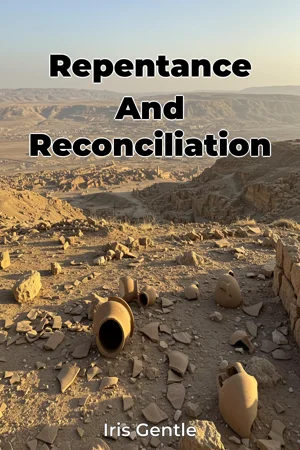
Is true reconciliation possible without genuine repentance? This book, "Repentance and Reconciliation," delves into the profound and often misunderstood relationship between these two concepts within a biblical framework. We aim to provide clarity on their interconnectedness and practical application for both individuals and the church. The core topics we explore are the nature of repentance as defined by Scripture, the conditions for receiving divine forgiveness, and the implications of both for fostering reconciliation in various contexts. These themes are vital as they directly impact our understanding of salvation, restoration, and the very character of God. Within these pages, we will embark on a detailed examination of key biblical texts primarily drawn from the New Testament. These passages, largely from the books of Acts, Romans, and the Corinthian epistles, provide foundational insights regarding repentance and forgiveness. The historical and cultural context of these writings will also be addressed, allowing for a richer comprehension of the original intent and meaning that the apostles communicated to their audiences. The book's central tenet is that sincere repentance, characterized by a change of heart and a turning away from sin, is a necessary precursor to receiving God's forgiveness and experiencing true reconciliation with both God and others. This argument is crucial because it challenges superficial understandings of grace while upholding God's holiness and justice. The book's structure begins with an introduction to the theological foundations of repentance and forgiveness, drawing from both Old and New Testament precedents. It then explores the multifaceted nature of repentance, differentiating between worldly sorrow and godly sorrow (2 Corinthians 7:10), and highlighting the importance of confession, restitution where applicable, and a commitment to new obedience. A subsequent section delves into the concept of forgiveness, examining its divine source, its conditions, and its implications for interpersonal relationships. We will unpack the implications of Romans 5, exploring how justification by faith, rooted in Christ's atoning work, makes forgiveness possible. Later, we will analyze early church practices, as documented in Acts, to understand how these principles were applied in the lives of the first believers. The book culminates by synthesizing these insights into a practical framework for cultivating a culture of repentance and reconciliation within the contemporary church and society. Our analysis relies heavily on careful exegesis of biblical texts, historical analysis of early church practices, and theological reflection on the nature of God and humanity. We will engage with relevant scholarly literature in the fields of biblical studies and systematic theology to provide a well-rounded and informed perspective. "Repentance and Reconciliation" intersects with the fields of ethics, pastoral care, and conflict resolution. Ethical considerations arise from the moral implications of sin and the need for accountability. Pastoral care is informed by understanding how to guide individuals through the process of repentance and forgiveness. Conflict resolution benefits from the principles of reconciliation discussed, providing a framework for addressing broken relationships. This book offers a unique perspective by integrating biblical theology with practical application, bridging the gap between academic study and real-life experience. It will be written in a clear and accessible style, suitable for pastors, students, and laypersons alike. Our target audience includes anyone seeking a deeper understanding of repentance and forgiveness, as well as those involved in ministry, counseling, or conflict resolution. The book's genre is a work of Biblical Reference and Biblical Studies, and as such, it leans towards a more formal and instructive tone, in line with expectation of the genre. While the book aims to provide a comprehensive overview of the subject, its scope is primarily limited to the biblical perspective on repentance and reconciliation, with a particular emphasis on New Testament teachings. It does not delve into other religious or philosophical viewpoints on these topics. The principles discussed can be applied in various contexts, including personal relationships, family dynamics, and church life, ultimately contributing to healing and restoration. The book acknowledges the existence of diverse theological viewpoints on the nuances of salvation and sanctification but seeks to offer a balanced and biblically grounded perspective on repentance and its role in the Christian life.
Is true reconciliation possible without genuine repentance? This book, "Repentance and Reconciliation," delves into the profound and often misunderstood relationship between these two concepts within a biblical framework. We aim to provide clarity on their interconnectedness and practical application for both individuals and the church. The core topics we explore are the nature of repentance as defined by Scripture, the conditions for receiving divine forgiveness, and the implications of both for fostering reconciliation in various contexts. These themes are vital as they directly impact our understanding of salvation, restoration, and the very character of God. Within these pages, we will embark on a detailed examination of key biblical texts primarily drawn from the New Testament. These passages, largely from the books of Acts, Romans, and the Corinthian epistles, provide foundational insights regarding repentance and forgiveness. The historical and cultural context of these writings will also be addressed, allowing for a richer comprehension of the original intent and meaning that the apostles communicated to their audiences. The book's central tenet is that sincere repentance, characterized by a change of heart and a turning away from sin, is a necessary precursor to receiving God's forgiveness and experiencing true reconciliation with both God and others. This argument is crucial because it challenges superficial understandings of grace while upholding God's holiness and justice. The book's structure begins with an introduction to the theological foundations of repentance and forgiveness, drawing from both Old and New Testament precedents. It then explores the multifaceted nature of repentance, differentiating between worldly sorrow and godly sorrow (2 Corinthians 7:10), and highlighting the importance of confession, restitution where applicable, and a commitment to new obedience. A subsequent section delves into the concept of forgiveness, examining its divine source, its conditions, and its implications for interpersonal relationships. We will unpack the implications of Romans 5, exploring how justification by faith, rooted in Christ's atoning work, makes forgiveness possible. Later, we will analyze early church practices, as documented in Acts, to understand how these principles were applied in the lives of the first believers. The book culminates by synthesizing these insights into a practical framework for cultivating a culture of repentance and reconciliation within the contemporary church and society. Our analysis relies heavily on careful exegesis of biblical texts, historical analysis of early church practices, and theological reflection on the nature of God and humanity. We will engage with relevant scholarly literature in the fields of biblical studies and systematic theology to provide a well-rounded and informed perspective. "Repentance and Reconciliation" intersects with the fields of ethics, pastoral care, and conflict resolution. Ethical considerations arise from the moral implications of sin and the need for accountability. Pastoral care is informed by understanding how to guide individuals through the process of repentance and forgiveness. Conflict resolution benefits from the principles of reconciliation discussed, providing a framework for addressing broken relationships. This book offers a unique perspective by integrating biblical theology with practical application, bridging the gap between academic study and real-life experience. It will be written in a clear and accessible style, suitable for pastors, students, and laypersons alike. Our target audience includes anyone seeking a deeper understanding of repentance and forgiveness, as well as those involved in ministry, counseling, or conflict resolution. The book's genre is a work of Biblical Reference and Biblical Studies, and as such, it leans towards a more formal and instructive tone, in line with expectation of the genre. While the book aims to provide a comprehensive overview of the subject, its scope is primarily limited to the biblical perspective on repentance and reconciliation, with a particular emphasis on New Testament teachings. It does not delve into other religious or philosophical viewpoints on these topics. The principles discussed can be applied in various contexts, including personal relationships, family dynamics, and church life, ultimately contributing to healing and restoration. The book acknowledges the existence of diverse theological viewpoints on the nuances of salvation and sanctification but seeks to offer a balanced and biblically grounded perspective on repentance and its role in the Christian life.
"Repentance and Reconciliation" explores the vital link between these two concepts from a biblical perspective, offering clarity for individuals and the church. True reconciliation requires genuine repentance, characterized by a change of heart and turning away from sin. The book emphasizes that sincere repentance is essential for receiving divine forgiveness and experiencing restoration with God and others, challenging superficial understandings of grace. The book begins by laying the theological groundwork for repentance and forgiveness, drawing from both Old and New Testament sources. It distinguishes between worldly and godly sorrow, highlighting confession and new obedience. The discussion then moves to forgiveness, exploring its divine source and implications for relationships, referencing Romans 5 and early church practices in Acts. Through careful examination of biblical texts and historical context, the book provides a practical framework for cultivating repentance and reconciliation in the contemporary church and society. It uniquely integrates biblical theology with real-life application, bridging academic study and practical experience. The book progresses from theological foundations to the multifaceted nature of repentance and culminates in a synthesis for practical application.
Book Details
ISBN
9788233970888
Publisher
Publifye AS
Your Licenses
You don't own any licenses for this book
Purchase a license below to unlock this book and download the EPUB.
Purchase License
Select a tier to unlock this book
Need bulk licensing?
Contact us for enterprise agreements.