
About This Book
Have you ever wondered where the vibrant colours of ancient paintings originated, or how modern dyes achieve their specific hues? This book, "Natural Pigments," delves into the fascinating world of colorants derived from the earth, exploring their history, extraction, and diverse applications. It bridges the gap between the art of the past and the science of the present, offering a comprehensive overview of natural pigments for artists, historians, and anyone curious about the origins of color. The core of our exploration centers on three main themes: the history of natural pigments, the methods of their extraction and preparation, and their utilization across various cultures and eras. Understanding the historical context is critical because it reveals the evolution of artistic expression and technological innovation. The extraction processes, ranging from simple crushing to complex chemical transformations, demonstrate human ingenuity in harnessing nature's bounty. Finally, examining the diverse applications, from cave paintings to contemporary art, reveals the enduring significance of these pigments. Throughout history, natural pigments have played a vital role in art, decoration, and even ritualistic practices. From the ochre used in prehistoric cave paintings to the precious ultramarine derived from lapis lazuli, these pigments have shaped artistic styles and reflected the economic and cultural values of different societies. The central argument of this book is that the study of natural pigments provides a unique lens through which to understand the intersection of art, science, and history. By understanding the origins and properties of these colorants, we gain a deeper appreciation for the artistic achievements of the past and a greater awareness of the scientific principles underlying color creation. The book begins by introducing the fundamental concepts of color theory and pigment chemistry, providing a necessary foundation for understanding subsequent discussions. We explore the origins of pigment use, from prehistoric times to the Renaissance. Each section will look at well known pigments like: ochre, madder root, indigo and Tyrian purple, as well as unique and obscure pigments found throughout history. The book then delves into the extraction and preparation of natural pigments, examining the sources (minerals, plants, and animals) and the techniques used to isolate and refine them. Specific chapters will detail the processes of grinding, leaching, precipitation, and other methods used to create usable pigments. The third major section investigates the applications of natural pigments in various art forms, including painting, textiles, ceramics, and cosmetics. Case studies will illustrate how different cultures have utilized specific pigments to achieve particular aesthetic effects and to convey symbolic meanings. Our research draws upon a wide range of sources, including archaeological reports, historical texts, scientific analyses of artworks, and ethnographic studies. We incorporate data from museum collections, laboratory experiments, and field studies to provide a comprehensive and evidence-based account. This book also connects to several other fields of study. Archaeology benefits from the book's detailed information about pigments used in antiquity, helping to date and authenticate artifacts. Botany and zoology are relevant because many pigments derive from plant and animal sources. Chemistry provides the framework for understanding the molecular structure and properties of these colorants. One unique aspect of this book is its emphasis on both the scientific and cultural dimensions of natural pigments, weaving together historical narratives with technical explanations to provide a holistic understanding. Written in a clear and accessible style, "Natural Pigments" is intended for a broad audience, including artists, art historians, conservation scientists, students, and anyone with an interest in the history and science of color. It offers valuable insights into the materials and techniques of art, as well as the cultural significance of color across different societies. While the book covers a wide range of natural pigments, it is not an exhaustive catalog of every known colorant. The focus is on providing a representative selection that illustrates the key principles and historical trends. The knowledge gained from this book has practical applications for artists seeking to use traditional materials, conservators working to preserve historical artworks, and anyone interested in creating sustainable and environmentally friendly colorants. By exploring the stories behind these natural pigments, the book illuminates the rich tapestry of human creativity and our enduring relationship with the natural world.
Have you ever wondered where the vibrant colours of ancient paintings originated, or how modern dyes achieve their specific hues? This book, "Natural Pigments," delves into the fascinating world of colorants derived from the earth, exploring their history, extraction, and diverse applications. It bridges the gap between the art of the past and the science of the present, offering a comprehensive overview of natural pigments for artists, historians, and anyone curious about the origins of color. The core of our exploration centers on three main themes: the history of natural pigments, the methods of their extraction and preparation, and their utilization across various cultures and eras. Understanding the historical context is critical because it reveals the evolution of artistic expression and technological innovation. The extraction processes, ranging from simple crushing to complex chemical transformations, demonstrate human ingenuity in harnessing nature's bounty. Finally, examining the diverse applications, from cave paintings to contemporary art, reveals the enduring significance of these pigments. Throughout history, natural pigments have played a vital role in art, decoration, and even ritualistic practices. From the ochre used in prehistoric cave paintings to the precious ultramarine derived from lapis lazuli, these pigments have shaped artistic styles and reflected the economic and cultural values of different societies. The central argument of this book is that the study of natural pigments provides a unique lens through which to understand the intersection of art, science, and history. By understanding the origins and properties of these colorants, we gain a deeper appreciation for the artistic achievements of the past and a greater awareness of the scientific principles underlying color creation. The book begins by introducing the fundamental concepts of color theory and pigment chemistry, providing a necessary foundation for understanding subsequent discussions. We explore the origins of pigment use, from prehistoric times to the Renaissance. Each section will look at well known pigments like: ochre, madder root, indigo and Tyrian purple, as well as unique and obscure pigments found throughout history. The book then delves into the extraction and preparation of natural pigments, examining the sources (minerals, plants, and animals) and the techniques used to isolate and refine them. Specific chapters will detail the processes of grinding, leaching, precipitation, and other methods used to create usable pigments. The third major section investigates the applications of natural pigments in various art forms, including painting, textiles, ceramics, and cosmetics. Case studies will illustrate how different cultures have utilized specific pigments to achieve particular aesthetic effects and to convey symbolic meanings. Our research draws upon a wide range of sources, including archaeological reports, historical texts, scientific analyses of artworks, and ethnographic studies. We incorporate data from museum collections, laboratory experiments, and field studies to provide a comprehensive and evidence-based account. This book also connects to several other fields of study. Archaeology benefits from the book's detailed information about pigments used in antiquity, helping to date and authenticate artifacts. Botany and zoology are relevant because many pigments derive from plant and animal sources. Chemistry provides the framework for understanding the molecular structure and properties of these colorants. One unique aspect of this book is its emphasis on both the scientific and cultural dimensions of natural pigments, weaving together historical narratives with technical explanations to provide a holistic understanding. Written in a clear and accessible style, "Natural Pigments" is intended for a broad audience, including artists, art historians, conservation scientists, students, and anyone with an interest in the history and science of color. It offers valuable insights into the materials and techniques of art, as well as the cultural significance of color across different societies. While the book covers a wide range of natural pigments, it is not an exhaustive catalog of every known colorant. The focus is on providing a representative selection that illustrates the key principles and historical trends. The knowledge gained from this book has practical applications for artists seeking to use traditional materials, conservators working to preserve historical artworks, and anyone interested in creating sustainable and environmentally friendly colorants. By exploring the stories behind these natural pigments, the book illuminates the rich tapestry of human creativity and our enduring relationship with the natural world.
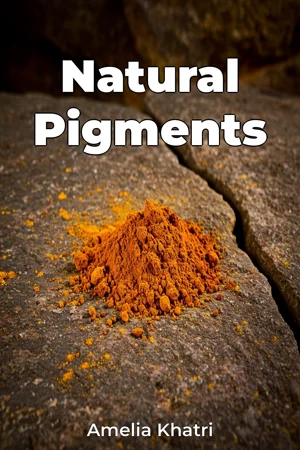
"Natural Pigments" explores the captivating history and science behind colorants derived from the earth. This book bridges art history and pigment chemistry, revealing how ochre, madder root, indigo, and even Tyrian purple have shaped artistic expression across cultures. It examines the extraction and preparation methods, from simple crushing to complex chemical processes, demonstrating humanity's resourcefulness in harnessing nature's bounty. Intriguingly, the use of specific pigments often reflected the economic and cultural values of societies, and some extraction methods remain remarkably consistent across centuries. The book uniquely emphasizes both the scientific and cultural dimensions of natural pigments, providing a holistic understanding through historical narratives and technical explanations. Beginning with color theory and pigment chemistry, it progresses through the origins of pigment use from prehistoric times to the Renaissance. Then the book delves into extraction and preparation, and concluding with diverse applications in art forms. The book's approach integrates archaeological findings, historical texts, and scientific analyses, offering a comprehensive and accessible account for artists, historians, and anyone fascinated by the origins of color.
Book Details
ISBN
9788233970765
Publisher
Publifye AS
Your Licenses
You don't own any licenses for this book
Purchase a license below to unlock this book and download the EPUB.
Purchase License
Select a tier to unlock this book
Need bulk licensing?
Contact us for enterprise agreements.