
About This Book
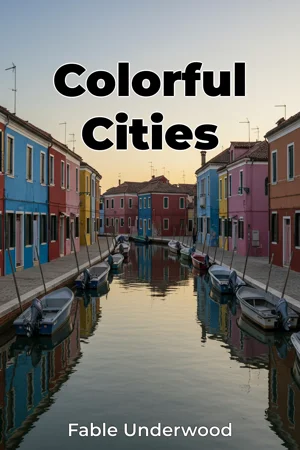
Have you ever considered the profound effect color has on our perception of place, and how architectural styles amplify this impact? "Colorful Cities" invites you on a visual and intellectual journey to explore the world’s most vibrant urban landscapes, examining the symbiotic relationship between color and architecture. This book delves into how intentional and accidental color choices, combined with distinctive architectural designs, shape the identity and experience of cities. We will explore the historical context of color usage in architecture, the psychological impact of various color palettes on residents and visitors, and the social and cultural narratives embedded within a city's chromatic identity. The central argument of "Colorful Cities" is that a city's color palette and architectural styles are not merely aesthetic choices, but are powerful expressions of its history, culture, and social dynamics. These elements communicate the values, aspirations, and narratives of the people who inhabit and shape the urban environment. Understanding this connection allows us to better appreciate the identity and influence of urban environments, and consider thoughtful and inclusive design for the future. "Colorful Cities" begins by introducing the core concepts of color theory, architectural styles, and urban design principles. The book progresses by examining case studies of cities renowned for their unique color schemes and iconic architecture. We will investigate locations such as Jodhpur, India, known as the "Blue City," and explore the cultural and historical reasons behind its distinctive azure hues. Similarly, we will analyze the vibrant facades of Valparaiso, Chile, investigating how street art and colorful buildings reflect the city's artistic spirit and resilience. Burano, Italy, will be examined through its history and traditions of brightly painted homes. Each chapter will focus on a specific city, dissecting the architectural styles, color palettes, and the socio-cultural forces that have shaped their visual identities. The book culminates by discussing the practical implications of color and architectural choices for urban planning and community development, encouraging readers to consider how these elements can be strategically employed to enhance the quality of life, promote tourism, and preserve cultural heritage. The evidence presented in this book draws from a variety of sources, including historical records, architectural plans, urban planning documents, sociological studies, and firsthand observations. "Colorful Cities" also incorporates photographic documentation to visually illustrate the arguments and provide readers with an immersive experience. The book connects to several interdisciplinary fields, including sociology, psychology, history, and art history. By examining how societal factors influence architectural and color choices, and how these choices affect human behavior and perception, "Colorful Cities" offers a holistic understanding of the urban environment. This book provides a comprehensive overview of the relationship between color and architecture. The scope is intentionally limited to cities with demonstrably unique and impactful color palettes. This allows for in-depth analysis and avoids superficial coverage of a larger number of locations. "Colorful Cities" is targeted toward architecture enthusiasts, urban planners, designers, travelers, and anyone interested in understanding the cultural and psychological dimensions of urban spaces. It offers practical insights for professionals involved in urban design and provides a fresh perspective for travelers seeking to deepen their appreciation of the places they visit. This book addresses ongoing debates within urban planning regarding the role of aesthetics in creating livable and culturally relevant cities. By showcasing examples of successful integration of color and architecture, "Colorful Cities" offers valuable lessons for navigating these complexities and fostering inclusive and vibrant urban environments.
Have you ever considered the profound effect color has on our perception of place, and how architectural styles amplify this impact? "Colorful Cities" invites you on a visual and intellectual journey to explore the world’s most vibrant urban landscapes, examining the symbiotic relationship between color and architecture. This book delves into how intentional and accidental color choices, combined with distinctive architectural designs, shape the identity and experience of cities. We will explore the historical context of color usage in architecture, the psychological impact of various color palettes on residents and visitors, and the social and cultural narratives embedded within a city's chromatic identity. The central argument of "Colorful Cities" is that a city's color palette and architectural styles are not merely aesthetic choices, but are powerful expressions of its history, culture, and social dynamics. These elements communicate the values, aspirations, and narratives of the people who inhabit and shape the urban environment. Understanding this connection allows us to better appreciate the identity and influence of urban environments, and consider thoughtful and inclusive design for the future. "Colorful Cities" begins by introducing the core concepts of color theory, architectural styles, and urban design principles. The book progresses by examining case studies of cities renowned for their unique color schemes and iconic architecture. We will investigate locations such as Jodhpur, India, known as the "Blue City," and explore the cultural and historical reasons behind its distinctive azure hues. Similarly, we will analyze the vibrant facades of Valparaiso, Chile, investigating how street art and colorful buildings reflect the city's artistic spirit and resilience. Burano, Italy, will be examined through its history and traditions of brightly painted homes. Each chapter will focus on a specific city, dissecting the architectural styles, color palettes, and the socio-cultural forces that have shaped their visual identities. The book culminates by discussing the practical implications of color and architectural choices for urban planning and community development, encouraging readers to consider how these elements can be strategically employed to enhance the quality of life, promote tourism, and preserve cultural heritage. The evidence presented in this book draws from a variety of sources, including historical records, architectural plans, urban planning documents, sociological studies, and firsthand observations. "Colorful Cities" also incorporates photographic documentation to visually illustrate the arguments and provide readers with an immersive experience. The book connects to several interdisciplinary fields, including sociology, psychology, history, and art history. By examining how societal factors influence architectural and color choices, and how these choices affect human behavior and perception, "Colorful Cities" offers a holistic understanding of the urban environment. This book provides a comprehensive overview of the relationship between color and architecture. The scope is intentionally limited to cities with demonstrably unique and impactful color palettes. This allows for in-depth analysis and avoids superficial coverage of a larger number of locations. "Colorful Cities" is targeted toward architecture enthusiasts, urban planners, designers, travelers, and anyone interested in understanding the cultural and psychological dimensions of urban spaces. It offers practical insights for professionals involved in urban design and provides a fresh perspective for travelers seeking to deepen their appreciation of the places they visit. This book addresses ongoing debates within urban planning regarding the role of aesthetics in creating livable and culturally relevant cities. By showcasing examples of successful integration of color and architecture, "Colorful Cities" offers valuable lessons for navigating these complexities and fostering inclusive and vibrant urban environments.
"Colorful Cities" explores the dynamic interplay between color and architecture, revealing how they shape the identity and experience of urban landscapes. It examines how deliberate color choices, combined with distinct architectural styles, express a city's history, culture, and social dynamics. The book posits that a city's chromatic identity isn't merely aesthetic but a powerful narrative of its people's values and aspirations. Readers will discover how color palettes and architectural designs impact residents and visitors, influencing perceptions and behaviors. The book progresses through case studies of cities renowned for their unique color schemes and iconic architecture, such as Jodhpur, India, known as the "Blue City," and Valparaiso, Chile, with its vibrant street art. Each chapter dissects the architectural styles, color palettes, and socio-cultural forces shaping these visual identities. By blending historical context with color theory, urban design principles, and visual examples, "Colorful Cities" offers a comprehensive understanding of urban environments. The conclusion emphasizes practical implications for urban planning, encouraging the strategic use of color and architecture to enhance quality of life, promote tourism, and preserve cultural heritage.
Book Details
ISBN
9788233970741
Publisher
Publifye AS
Your Licenses
You don't own any licenses for this book
Purchase a license below to unlock this book and download the EPUB.
Purchase License
Select a tier to unlock this book
Need bulk licensing?
Contact us for enterprise agreements.