
About This Book
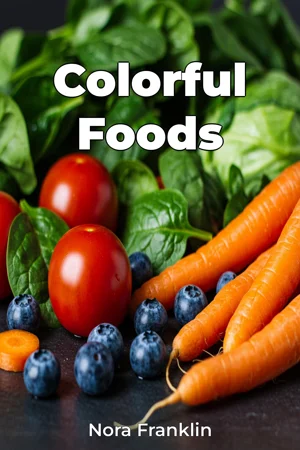
Have you ever considered that the colors of the foods we eat are more than just visually appealing? "Colorful Foods" delves into the fascinating science behind the vibrant hues found in fruits, vegetables, and other edible items, revealing how these colors directly correlate with their nutritional content and significant cultural roles. This book explores the biological basis of food pigmentation, the diverse health benefits associated with specific color groups, and the historical and cultural significance of colorful foods in various societies. Understanding these relationships is crucial for making informed dietary choices and appreciating the deeper connections between food and human culture. This book argues that the colors of our food provide a readily accessible guide to their nutritional value, offering a practical framework for understanding the complex interplay between biology, culture, and diet. We will begin by introducing the fundamental concepts of plant pigments, such as carotenoids, anthocyanins, and chlorophylls, explaining their chemical structures and the mechanisms by which they produce different colors. This foundation will be built upon with explorations into how these pigments function as antioxidants, anti-inflammatory agents, and precursors to essential vitamins. The book's structure unfolds across several key areas. First, we establish the scientific groundwork, detailing the biological processes that create color in foods and linking specific pigments to their corresponding health benefits. For example, the red color in tomatoes signifies lycopene, a potent antioxidant associated with reduced risk of certain cancers, while the deep blue of blueberries indicates high levels of anthocyanins, known for their cognitive-enhancing properties. Second, we examine the cultural significance of colorful foods in different regions of the world, tracing their historical uses in traditional medicine, religious ceremonies, and culinary practices. Case studies will illustrate how specific colors are associated with particular rituals or beliefs, highlighting the deep-seated cultural connections to food. Third, we investigate current research on the impact of colorful foods on human health, presenting epidemiological studies and clinical trials that demonstrate the protective effects of various pigments against chronic diseases. Finally, we conclude by offering practical guidance on incorporating a wider range of colorful foods into your diet to optimize health and well-being. The evidence presented in "Colorful Foods" draws from diverse sources, including peer-reviewed scientific publications, agricultural databases, historical records, and ethnographic studies. We analyze data on the nutrient content of various foods, examine the results of clinical trials on the health effects of specific pigments, and explore historical texts and anthropological research to uncover the cultural significance of colorful foods across different societies. This book connects to several interdisciplinary fields. It bridges the gap between life sciences (biology, nutrition, biochemistry), social sciences (anthropology, sociology), and culinary arts, providing a holistic understanding of the role of color in food. The book’s approach is unique in its comprehensive integration of scientific research with cultural insights, offering a perspective that is both informative and engaging. While focusing on the science and cultural relevance of food color, it deliberately avoids prescriptive dietary advice. Written in a clear and accessible style, "Colorful Foods" is aimed at general readers interested in nutrition, health, and culture, as well as students and professionals in related fields. The book’s value lies in its ability to empower readers with knowledge about the hidden benefits of colorful foods, enabling them to make more informed choices and appreciate the rich tapestry of food traditions around the world. The book also addresses the ongoing debates surrounding the role of diet in disease prevention, presenting evidence-based information to help readers navigate the complex landscape of nutritional advice.
Have you ever considered that the colors of the foods we eat are more than just visually appealing? "Colorful Foods" delves into the fascinating science behind the vibrant hues found in fruits, vegetables, and other edible items, revealing how these colors directly correlate with their nutritional content and significant cultural roles. This book explores the biological basis of food pigmentation, the diverse health benefits associated with specific color groups, and the historical and cultural significance of colorful foods in various societies. Understanding these relationships is crucial for making informed dietary choices and appreciating the deeper connections between food and human culture. This book argues that the colors of our food provide a readily accessible guide to their nutritional value, offering a practical framework for understanding the complex interplay between biology, culture, and diet. We will begin by introducing the fundamental concepts of plant pigments, such as carotenoids, anthocyanins, and chlorophylls, explaining their chemical structures and the mechanisms by which they produce different colors. This foundation will be built upon with explorations into how these pigments function as antioxidants, anti-inflammatory agents, and precursors to essential vitamins. The book's structure unfolds across several key areas. First, we establish the scientific groundwork, detailing the biological processes that create color in foods and linking specific pigments to their corresponding health benefits. For example, the red color in tomatoes signifies lycopene, a potent antioxidant associated with reduced risk of certain cancers, while the deep blue of blueberries indicates high levels of anthocyanins, known for their cognitive-enhancing properties. Second, we examine the cultural significance of colorful foods in different regions of the world, tracing their historical uses in traditional medicine, religious ceremonies, and culinary practices. Case studies will illustrate how specific colors are associated with particular rituals or beliefs, highlighting the deep-seated cultural connections to food. Third, we investigate current research on the impact of colorful foods on human health, presenting epidemiological studies and clinical trials that demonstrate the protective effects of various pigments against chronic diseases. Finally, we conclude by offering practical guidance on incorporating a wider range of colorful foods into your diet to optimize health and well-being. The evidence presented in "Colorful Foods" draws from diverse sources, including peer-reviewed scientific publications, agricultural databases, historical records, and ethnographic studies. We analyze data on the nutrient content of various foods, examine the results of clinical trials on the health effects of specific pigments, and explore historical texts and anthropological research to uncover the cultural significance of colorful foods across different societies. This book connects to several interdisciplinary fields. It bridges the gap between life sciences (biology, nutrition, biochemistry), social sciences (anthropology, sociology), and culinary arts, providing a holistic understanding of the role of color in food. The book’s approach is unique in its comprehensive integration of scientific research with cultural insights, offering a perspective that is both informative and engaging. While focusing on the science and cultural relevance of food color, it deliberately avoids prescriptive dietary advice. Written in a clear and accessible style, "Colorful Foods" is aimed at general readers interested in nutrition, health, and culture, as well as students and professionals in related fields. The book’s value lies in its ability to empower readers with knowledge about the hidden benefits of colorful foods, enabling them to make more informed choices and appreciate the rich tapestry of food traditions around the world. The book also addresses the ongoing debates surrounding the role of diet in disease prevention, presenting evidence-based information to help readers navigate the complex landscape of nutritional advice.
"Colorful Foods" explores the vibrant world of food color, revealing its surprising connections to nutrition, health, and culture. The book delves into the science behind food pigmentation, explaining how pigments like anthocyanins and carotenoids not only give foods their appealing hues but also contribute to their nutritional content. For instance, the red in tomatoes indicates lycopene, an antioxidant, and the blue in blueberries signals anthocyanins, known for cognitive benefits. The book progresses from the biological basis of food color to its cultural significance across different societies and its impact on human health. It examines how colorful foods have been used in traditional medicine, religious ceremonies, and culinary practices, illustrating the deep-seated cultural connections to food. By integrating scientific research with cultural insights, "Colorful Foods" provides a unique and informative perspective, empowering readers to make informed dietary choices and appreciate the rich tapestry of food traditions.
Book Details
ISBN
9788233970727
Publisher
Publifye AS
Your Licenses
You don't own any licenses for this book
Purchase a license below to unlock this book and download the EPUB.
Purchase License
Select a tier to unlock this book
Need bulk licensing?
Contact us for enterprise agreements.