
About This Book
Have you ever paused to consider how a single color can stir profound feelings, trigger memories, or even dictate our actions? "Color in Art" delves into the vibrant and intricate history of color, revealing its power as a fundamental tool for artistic expression and storytelling across cultures and millennia. This book explores not just the aesthetics of color, but also its profound psychological, social, and historical significance. We will examine three key areas: the evolution of color palettes and their symbolic meanings in different historical periods; the scientific understanding of color perception and how artists have manipulated these principles; and the diverse ways artists have employed color to evoke specific emotions and narratives in their work. These topics are vital because understanding color provides a deeper appreciation of art history and the human experience. Color has shaped artistic movements, defined cultural identities, and influenced how we interpret the world around us. To fully appreciate the role of color in art, some context is useful. "Color in Art" will provide a concise overview of color theory, including the color wheel, primary and secondary colors, and the concepts of hue, saturation, and value. It will also trace the evolution of pigments and dyes from ancient natural sources to modern synthetic compounds, providing an understanding of how technological advancements have expanded the artist's palette. The central argument of "Color in Art" is that artists have consciously and deliberately used color to communicate ideas, evoke emotions, and tell stories. This is not simply an aesthetic choice, but a powerful form of visual language. By understanding the historical context and scientific principles behind color usage, we can unlock a deeper level of meaning in artworks from diverse periods and cultures. The book is structured to provide a clear and comprehensive journey through the world of color. First, we will introduce the foundational concepts of color theory and the history of pigments. Second, the book will explore specific historical periods, focusing on how color was used in ancient Egyptian art, Renaissance painting, Impressionist landscapes, and modern abstract expressionism. Each chapter will analyze the dominant color palettes, the symbolic meanings associated with particular colors, and the techniques artists employed to achieve their desired effects. Third, "Color in Art" will delve into the psychology of color, examining how our brains perceive and respond to different hues, saturations, and values. We will discuss how artists have used this knowledge to create works that evoke specific emotions, such as joy, sadness, anger, or tranquility. Finally, the book will culminate in a discussion of contemporary art and the ongoing evolution of color usage. The evidence presented in "Color in Art" will be drawn from a wide range of sources, including art historical texts, scientific studies of color perception, and analyses of individual artworks. The book will feature high-quality reproductions of paintings, sculptures, and other art objects, allowing readers to visually appreciate the nuances of color usage. This book connects to numerous other fields, including psychology, history, and material science. By exploring the psychological effects of color, we can gain insights into human emotions and behavior. By examining the historical context of color usage, we can understand how cultural values and beliefs have shaped artistic expression. By investigating the science of pigments and dyes, we can appreciate the technological innovations that have expanded the artist's palette. "Color in Art" offers a unique perspective by combining art historical analysis with scientific research and psychological insights. It avoids overly academic jargon and presents information in an accessible and engaging manner. The tone of the book is informative and engaging, blending rigorous research with clear and accessible writing. The overall approach is to present information in a way that is both intellectually stimulating and visually appealing. The target audience is broad, including art students, art enthusiasts, designers, and anyone interested in the history of color and its impact on human culture. This book would be valuable to them because it provides a comprehensive and insightful exploration of a topic that is often overlooked in traditional art history surveys. As a work of art history, "Color in Art" follows the convention of detailed visual analysis, supported by historical and theoretical context. It also borrows from the genre of cultural history by examining how color has reflected and shaped social values. While "Color in Art" aims to provide a broad overview of color usage throughout history, it necessarily focuses on Western art traditions, due to limitations of space. However, it does include examples from other cultures to illustrate the diversity of color symbolism and artistic expression worldwide; however, this is not an exhaustive or all-encompassing study of global art. The principles outlined in "Color in Art" have numerous real-world applications. Designers can use this knowledge to create visually appealing and emotionally resonant products and environments. Marketers can leverage the psychology of color to influence consumer behavior. Therapists can utilize color therapy to promote healing and well-being. While the use of color in art may seem straightforward, there are ongoing debates about the interpretation of color symbolism and the effectiveness of different color palettes. "Color in Art" acknowledges these debates and presents a balanced perspective, encouraging readers to form their own informed opinions.
Have you ever paused to consider how a single color can stir profound feelings, trigger memories, or even dictate our actions? "Color in Art" delves into the vibrant and intricate history of color, revealing its power as a fundamental tool for artistic expression and storytelling across cultures and millennia. This book explores not just the aesthetics of color, but also its profound psychological, social, and historical significance. We will examine three key areas: the evolution of color palettes and their symbolic meanings in different historical periods; the scientific understanding of color perception and how artists have manipulated these principles; and the diverse ways artists have employed color to evoke specific emotions and narratives in their work. These topics are vital because understanding color provides a deeper appreciation of art history and the human experience. Color has shaped artistic movements, defined cultural identities, and influenced how we interpret the world around us. To fully appreciate the role of color in art, some context is useful. "Color in Art" will provide a concise overview of color theory, including the color wheel, primary and secondary colors, and the concepts of hue, saturation, and value. It will also trace the evolution of pigments and dyes from ancient natural sources to modern synthetic compounds, providing an understanding of how technological advancements have expanded the artist's palette. The central argument of "Color in Art" is that artists have consciously and deliberately used color to communicate ideas, evoke emotions, and tell stories. This is not simply an aesthetic choice, but a powerful form of visual language. By understanding the historical context and scientific principles behind color usage, we can unlock a deeper level of meaning in artworks from diverse periods and cultures. The book is structured to provide a clear and comprehensive journey through the world of color. First, we will introduce the foundational concepts of color theory and the history of pigments. Second, the book will explore specific historical periods, focusing on how color was used in ancient Egyptian art, Renaissance painting, Impressionist landscapes, and modern abstract expressionism. Each chapter will analyze the dominant color palettes, the symbolic meanings associated with particular colors, and the techniques artists employed to achieve their desired effects. Third, "Color in Art" will delve into the psychology of color, examining how our brains perceive and respond to different hues, saturations, and values. We will discuss how artists have used this knowledge to create works that evoke specific emotions, such as joy, sadness, anger, or tranquility. Finally, the book will culminate in a discussion of contemporary art and the ongoing evolution of color usage. The evidence presented in "Color in Art" will be drawn from a wide range of sources, including art historical texts, scientific studies of color perception, and analyses of individual artworks. The book will feature high-quality reproductions of paintings, sculptures, and other art objects, allowing readers to visually appreciate the nuances of color usage. This book connects to numerous other fields, including psychology, history, and material science. By exploring the psychological effects of color, we can gain insights into human emotions and behavior. By examining the historical context of color usage, we can understand how cultural values and beliefs have shaped artistic expression. By investigating the science of pigments and dyes, we can appreciate the technological innovations that have expanded the artist's palette. "Color in Art" offers a unique perspective by combining art historical analysis with scientific research and psychological insights. It avoids overly academic jargon and presents information in an accessible and engaging manner. The tone of the book is informative and engaging, blending rigorous research with clear and accessible writing. The overall approach is to present information in a way that is both intellectually stimulating and visually appealing. The target audience is broad, including art students, art enthusiasts, designers, and anyone interested in the history of color and its impact on human culture. This book would be valuable to them because it provides a comprehensive and insightful exploration of a topic that is often overlooked in traditional art history surveys. As a work of art history, "Color in Art" follows the convention of detailed visual analysis, supported by historical and theoretical context. It also borrows from the genre of cultural history by examining how color has reflected and shaped social values. While "Color in Art" aims to provide a broad overview of color usage throughout history, it necessarily focuses on Western art traditions, due to limitations of space. However, it does include examples from other cultures to illustrate the diversity of color symbolism and artistic expression worldwide; however, this is not an exhaustive or all-encompassing study of global art. The principles outlined in "Color in Art" have numerous real-world applications. Designers can use this knowledge to create visually appealing and emotionally resonant products and environments. Marketers can leverage the psychology of color to influence consumer behavior. Therapists can utilize color therapy to promote healing and well-being. While the use of color in art may seem straightforward, there are ongoing debates about the interpretation of color symbolism and the effectiveness of different color palettes. "Color in Art" acknowledges these debates and presents a balanced perspective, encouraging readers to form their own informed opinions.
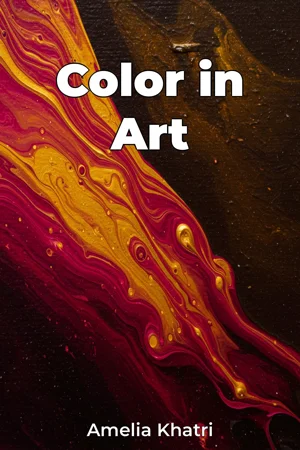
"Color in Art" explores the captivating history and profound impact of color as a fundamental element of artistic expression across diverse cultures and eras. The book delves into the psychological, social, and historical significance of color, revealing how artists have consciously employed it to communicate ideas, evoke emotions, and craft narratives. Readers will discover how advancements in pigment technology, from ancient natural sources to modern synthetic compounds, have continuously expanded the artist's palette and creative possibilities. This comprehensive journey begins with an introduction to color theory, including the color wheel, primary and secondary colors, and the concepts of hue, saturation, and value. The book then progresses through specific historical periods, examining color usage in ancient Egyptian art, Renaissance painting, Impressionism, and Abstract Expressionism. Each chapter analyzes dominant color palettes, symbolic meanings, and artistic techniques, providing a rich understanding of how color has shaped visual language. Ultimately, "Color in Art" connects art history with science and psychology, offering a unique perspective on the power of color to influence perception and emotion.
Book Details
ISBN
9788233970710
Publisher
Publifye AS
Your Licenses
You don't own any licenses for this book
Purchase a license below to unlock this book and download the EPUB.
Purchase License
Select a tier to unlock this book
Need bulk licensing?
Contact us for enterprise agreements.