
About This Book
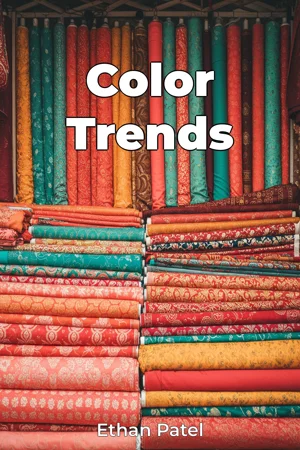
Have you ever wondered why certain colors dominate our visual landscape in specific eras? "Color Trends" explores the dynamic interplay between fashion, design, marketing, and the societal forces that dictate which colors capture our collective imagination. This book delves into the multi-faceted process of how color trends emerge, evolve, and ultimately influence our purchasing decisions and aesthetic preferences. We will examine the mechanisms through which these trends take hold, establishing the crucial understanding that color choice is never arbitrary, but a carefully orchestrated phenomenon. The primary focus of "Color Trends" will be to dissect the key factors driving color adoption: the influence of socio-political events, the role of industry forecasting, and the psychological impact of color on consumer behavior. We'll analyze historical examples to reveal patterns in color preference, demonstrating how economic booms, periods of unrest, and technological advancements have consistently shaped the color palettes of their times. The book will also demystify the processes used by trend forecasters, from analyzing runway collections to monitoring social media sentiment, to predict future color directions. Understanding the psychology of color, how specific hues evoke particular emotions and associations, is equally significant. Our central argument is that color trends are not accidental occurrences but are deliberately shaped by a complex network of influences to align with prevailing cultural narratives and consumer desires. This is crucial for anyone involved in design, marketing, or product development, as understanding these underlying forces allows for more informed and strategic decision-making. The book is structured to provide a comprehensive understanding of color trends. We begin by introducing the foundational principles of color theory and the history of color forecasting. We then explore the specific roles of the fashion industry, the design sector (including interior and product design), and the marketing world in shaping color trends. Specific chapters will focus on the influence of major cultural events on color palettes, the methodologies employed by trend forecasting agencies, and the psychology behind consumer color preferences. The book culminates by outlining strategies for businesses to effectively leverage color trends in their product development and marketing campaigns, offering practical guidance on how to anticipate and capitalize on emerging color preferences. The evidence presented in "Color Trends" will draw from a diverse range of sources, including historical fashion archives, industry reports from leading trend forecasting agencies (such as Pantone and WGSN), case studies of successful (and unsuccessful) color-driven marketing campaigns, and academic research in color psychology and consumer behavior. We will use a mixed-methods approach, combining qualitative analysis of visual culture with quantitative data on consumer purchasing patterns. "Color Trends" also connects to broader fields of study, including sociology (examining the cultural significance of color), economics (analyzing the impact of color trends on consumer spending), and psychology (understanding the emotional and cognitive responses to color). These interdisciplinary connections enrich the argument by demonstrating how color trends are deeply intertwined with various aspects of human experience. This book offers a unique perspective by integrating historical analysis, industry insights, and psychological principles to provide a holistic understanding of color trends. Rather than simply listing popular colors, it unveils the underlying mechanisms that drive their adoption and influence. The writing style is accessible and engaging, making complex concepts understandable for a broad audience while maintaining a professional tone appropriate for the subject matter. The target audience includes students and professionals in fields such as fashion design, graphic design, marketing, advertising, product development, and business management. Anyone seeking to understand how color impacts consumer behavior and market trends will find this book valuable. As a book in the 'Design, Design General, Business Management, Management' genres, readers can expect a blend of creative inspiration, practical advice, and strategic business insights. The scope of "Color Trends" is intentionally broad, covering a wide range of industries and historical periods. However, it focuses primarily on Western cultures and markets, acknowledging that color trends can vary significantly across different regions and cultural contexts. The information presented in "Color Trends" can be applied in various real-world scenarios, from designing effective marketing campaigns to developing products that resonate with current consumer tastes. Businesses can use this knowledge to anticipate future color preferences, optimize their product offerings, and gain a competitive edge in the marketplace.
Have you ever wondered why certain colors dominate our visual landscape in specific eras? "Color Trends" explores the dynamic interplay between fashion, design, marketing, and the societal forces that dictate which colors capture our collective imagination. This book delves into the multi-faceted process of how color trends emerge, evolve, and ultimately influence our purchasing decisions and aesthetic preferences. We will examine the mechanisms through which these trends take hold, establishing the crucial understanding that color choice is never arbitrary, but a carefully orchestrated phenomenon. The primary focus of "Color Trends" will be to dissect the key factors driving color adoption: the influence of socio-political events, the role of industry forecasting, and the psychological impact of color on consumer behavior. We'll analyze historical examples to reveal patterns in color preference, demonstrating how economic booms, periods of unrest, and technological advancements have consistently shaped the color palettes of their times. The book will also demystify the processes used by trend forecasters, from analyzing runway collections to monitoring social media sentiment, to predict future color directions. Understanding the psychology of color, how specific hues evoke particular emotions and associations, is equally significant. Our central argument is that color trends are not accidental occurrences but are deliberately shaped by a complex network of influences to align with prevailing cultural narratives and consumer desires. This is crucial for anyone involved in design, marketing, or product development, as understanding these underlying forces allows for more informed and strategic decision-making. The book is structured to provide a comprehensive understanding of color trends. We begin by introducing the foundational principles of color theory and the history of color forecasting. We then explore the specific roles of the fashion industry, the design sector (including interior and product design), and the marketing world in shaping color trends. Specific chapters will focus on the influence of major cultural events on color palettes, the methodologies employed by trend forecasting agencies, and the psychology behind consumer color preferences. The book culminates by outlining strategies for businesses to effectively leverage color trends in their product development and marketing campaigns, offering practical guidance on how to anticipate and capitalize on emerging color preferences. The evidence presented in "Color Trends" will draw from a diverse range of sources, including historical fashion archives, industry reports from leading trend forecasting agencies (such as Pantone and WGSN), case studies of successful (and unsuccessful) color-driven marketing campaigns, and academic research in color psychology and consumer behavior. We will use a mixed-methods approach, combining qualitative analysis of visual culture with quantitative data on consumer purchasing patterns. "Color Trends" also connects to broader fields of study, including sociology (examining the cultural significance of color), economics (analyzing the impact of color trends on consumer spending), and psychology (understanding the emotional and cognitive responses to color). These interdisciplinary connections enrich the argument by demonstrating how color trends are deeply intertwined with various aspects of human experience. This book offers a unique perspective by integrating historical analysis, industry insights, and psychological principles to provide a holistic understanding of color trends. Rather than simply listing popular colors, it unveils the underlying mechanisms that drive their adoption and influence. The writing style is accessible and engaging, making complex concepts understandable for a broad audience while maintaining a professional tone appropriate for the subject matter. The target audience includes students and professionals in fields such as fashion design, graphic design, marketing, advertising, product development, and business management. Anyone seeking to understand how color impacts consumer behavior and market trends will find this book valuable. As a book in the 'Design, Design General, Business Management, Management' genres, readers can expect a blend of creative inspiration, practical advice, and strategic business insights. The scope of "Color Trends" is intentionally broad, covering a wide range of industries and historical periods. However, it focuses primarily on Western cultures and markets, acknowledging that color trends can vary significantly across different regions and cultural contexts. The information presented in "Color Trends" can be applied in various real-world scenarios, from designing effective marketing campaigns to developing products that resonate with current consumer tastes. Businesses can use this knowledge to anticipate future color preferences, optimize their product offerings, and gain a competitive edge in the marketplace.
"Color Trends" explores the captivating world of color, revealing how fashion, design, marketing, and societal influences converge to shape our aesthetic preferences and purchasing decisions. The book argues that color trends aren't random; they're deliberately shaped by cultural narratives and consumer desires. Discover how socio-political events, industry forecasting, and color psychology play pivotal roles. For instance, economic booms often correlate with brighter, more optimistic color palettes, while periods of unrest may see the rise of more subdued or rebellious hues. The book begins with color theory foundations and historical forecasting, progressing to examine the fashion, design, and marketing industries' specific roles. Chapters delve into cultural events' impact on color palettes, trend forecasting methodologies (like social media sentiment analysis), and the psychology of consumer color preferences. This approach provides a comprehensive understanding of how color trends emerge and how businesses can leverage them. The book's unique value lies in its integration of historical analysis, industry insights, and psychological principles, making it a valuable resource for anyone seeking to understand color's impact on consumer behavior.
Book Details
ISBN
9788233970697
Publisher
Publifye AS
Your Licenses
You don't own any licenses for this book
Purchase a license below to unlock this book and download the EPUB.
Purchase License
Select a tier to unlock this book
Need bulk licensing?
Contact us for enterprise agreements.