
About This Book
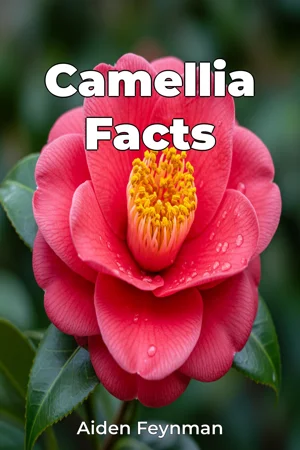
Did you know that the captivating camellia flower shares a profound connection with one of the world's most beloved beverages, tea? "Camellia Facts" delves into the multifaceted world of camellias, exploring their scientific classification, horticultural significance, historical connections to tea production, and the breathtaking diversity of their floral varieties. This book aims to provide a comprehensive understanding of the genus Camellia for both the avid gardener and the curious botanist. This book is organized around three core themes: the botany of camellias, their relationship to tea, and the cultivation of ornamental varieties. Understanding the botanical aspects of Camellia, including their taxonomy, physiology, and genetic diversity, is crucial for appreciating their adaptability and evolutionary history. The connection to tea, specifically *Camellia sinensis*, reveals the economic and cultural importance of this genus on a global scale. Finally, exploring the vast array of camellia cultivars highlights the horticultural artistry and scientific breeding that have produced such a stunning spectrum of colors, forms, and sizes. "Camellia Facts" argues that the genus Camellia represents a unique intersection of science, history, and horticulture. This argument is significant because illustrating these interconnections promotes a more profound appreciation for the natural world and the human endeavors that shape it. The book unfolds in a structured manner, starting with an introduction to the Camellia genus and its place in the plant kingdom. It proceeds with an in-depth exploration of *Camellia sinensis* and its cultivation for tea, detailing the plant's biochemistry and the processing methods that create different tea varieties. Following this, the book shifts focus to the diverse range of ornamental camellias, categorizing them by species, flower form, and color. Chapters will cover propagation techniques, pest and disease management, and practical advice for cultivating camellias in various climates. The concluding sections explore the future of Camellia research, including genetic engineering and conservation efforts. The information presented will be supported by scientific literature, horticultural databases, and historical records. We will draw upon botanical studies that detail the genetic relationships between different Camellia species. Additionally, the book incorporates practical insights from experienced camellia growers and breeders. "Camellia Facts" connects to several other fields. Firstly, history, through the exploration of tea trade routes and the cultural significance of tea ceremonies. Secondly, economics, through the examination of the global tea market and the horticultural industry surrounding camellias. Thirdly, environmental science, through the consideration of sustainable cultivation practices and the conservation of wild Camellia species. This book stands out by providing a balanced perspective, integrating scientific rigor with practical gardening advice. It avoids overly technical jargon, making the information accessible to a broad audience while maintaining accuracy. Written in a clear and informative style, "Camellia Facts" aims to engage both amateur gardeners and serious students of botany. The target audience includes gardeners interested in expanding their knowledge of camellias, students studying plant science or horticulture, and anyone fascinated by the natural history of flowering plants. As a work of non-fiction in the Science Life Sciences, Biology, Gardening General genres, "Camellia Facts" adheres to standards of accuracy and evidence-based reporting. While the book provides broad coverage of the Camellia genus, it acknowledges the limitations of focusing primarily on the species and cultivars most relevant to tea production and ornamental horticulture. Species found solely in remote areas with limited agricultural or horticultural relevance will receive less focus. The knowledge presented in "Camellia Facts" has numerous real-world applications. Gardeners can use the cultivation advice to grow healthy and vibrant camellias. Tea enthusiasts can gain a deeper understanding of the plant behind their favorite beverage. Researchers can use the information on Camellia genetics and breeding to develop new and improved cultivars. Currently, there are debates on how to classify some Camellia species using the latest DNA analysis techniques. "Camellia Facts" will address these controversies by presenting various viewpoints and outlining the evidence supporting each. This allows the reader to comprehend the complex and ever-evolving nature of botanical science.
Did you know that the captivating camellia flower shares a profound connection with one of the world's most beloved beverages, tea? "Camellia Facts" delves into the multifaceted world of camellias, exploring their scientific classification, horticultural significance, historical connections to tea production, and the breathtaking diversity of their floral varieties. This book aims to provide a comprehensive understanding of the genus Camellia for both the avid gardener and the curious botanist. This book is organized around three core themes: the botany of camellias, their relationship to tea, and the cultivation of ornamental varieties. Understanding the botanical aspects of Camellia, including their taxonomy, physiology, and genetic diversity, is crucial for appreciating their adaptability and evolutionary history. The connection to tea, specifically *Camellia sinensis*, reveals the economic and cultural importance of this genus on a global scale. Finally, exploring the vast array of camellia cultivars highlights the horticultural artistry and scientific breeding that have produced such a stunning spectrum of colors, forms, and sizes. "Camellia Facts" argues that the genus Camellia represents a unique intersection of science, history, and horticulture. This argument is significant because illustrating these interconnections promotes a more profound appreciation for the natural world and the human endeavors that shape it. The book unfolds in a structured manner, starting with an introduction to the Camellia genus and its place in the plant kingdom. It proceeds with an in-depth exploration of *Camellia sinensis* and its cultivation for tea, detailing the plant's biochemistry and the processing methods that create different tea varieties. Following this, the book shifts focus to the diverse range of ornamental camellias, categorizing them by species, flower form, and color. Chapters will cover propagation techniques, pest and disease management, and practical advice for cultivating camellias in various climates. The concluding sections explore the future of Camellia research, including genetic engineering and conservation efforts. The information presented will be supported by scientific literature, horticultural databases, and historical records. We will draw upon botanical studies that detail the genetic relationships between different Camellia species. Additionally, the book incorporates practical insights from experienced camellia growers and breeders. "Camellia Facts" connects to several other fields. Firstly, history, through the exploration of tea trade routes and the cultural significance of tea ceremonies. Secondly, economics, through the examination of the global tea market and the horticultural industry surrounding camellias. Thirdly, environmental science, through the consideration of sustainable cultivation practices and the conservation of wild Camellia species. This book stands out by providing a balanced perspective, integrating scientific rigor with practical gardening advice. It avoids overly technical jargon, making the information accessible to a broad audience while maintaining accuracy. Written in a clear and informative style, "Camellia Facts" aims to engage both amateur gardeners and serious students of botany. The target audience includes gardeners interested in expanding their knowledge of camellias, students studying plant science or horticulture, and anyone fascinated by the natural history of flowering plants. As a work of non-fiction in the Science Life Sciences, Biology, Gardening General genres, "Camellia Facts" adheres to standards of accuracy and evidence-based reporting. While the book provides broad coverage of the Camellia genus, it acknowledges the limitations of focusing primarily on the species and cultivars most relevant to tea production and ornamental horticulture. Species found solely in remote areas with limited agricultural or horticultural relevance will receive less focus. The knowledge presented in "Camellia Facts" has numerous real-world applications. Gardeners can use the cultivation advice to grow healthy and vibrant camellias. Tea enthusiasts can gain a deeper understanding of the plant behind their favorite beverage. Researchers can use the information on Camellia genetics and breeding to develop new and improved cultivars. Currently, there are debates on how to classify some Camellia species using the latest DNA analysis techniques. "Camellia Facts" will address these controversies by presenting various viewpoints and outlining the evidence supporting each. This allows the reader to comprehend the complex and ever-evolving nature of botanical science.
"Camellia Facts" explores the fascinating realm of camellias, bridging the gap between science, gardening, and the global tea industry. Did you know that the *Camellia sinensis* plant provides us with all types of tea, from green to black? This book provides an accessible yet comprehensive look at the botany, horticulture, and history surrounding this captivating genus. The book progresses systematically, starting with an introduction to the Camellia genus and its place in the plant kingdom. It goes on to delve into the cultivation of tea and then shifts to the diverse range of ornamental camellias. Gardeners will find practical advice on cultivation, while enthusiasts will appreciate the exploration of genetic diversity and the history of plant breeding. The book highlights the plant's adaptability and evolutionary history, discussing topics like sustainable cultivation and conservation. The book uniquely combines scientific rigor with practical gardening advice, making it valuable to both amateur gardeners and serious students of botany. By connecting camellias to history, economics, and environmental science, "Camellia Facts" fosters a deeper appreciation for the natural world and the human endeavors that shape it.
Book Details
ISBN
9788233970468
Publisher
Publifye AS
Your Licenses
You don't own any licenses for this book
Purchase a license below to unlock this book and download the EPUB.
Purchase License
Select a tier to unlock this book
Need bulk licensing?
Contact us for enterprise agreements.