
About This Book
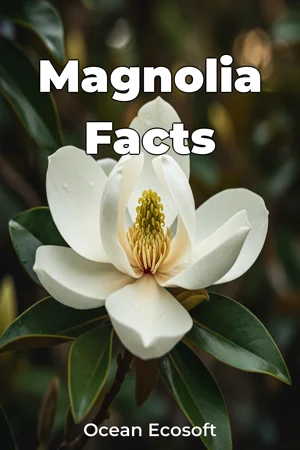
Have you ever wondered about the deep history held within the petals of a flower? "Magnolia Facts" delves into the captivating story of magnolias, ancient plants that have graced our planet for millions of years. This book explores their biological significance, the science behind their fragrant blossoms, and their crucial role in diverse landscapes. These topics are vital for understanding plant evolution, the intricate relationships between plants and their pollinators, and the importance of biodiversity in maintaining healthy ecosystems. This book provides a comprehensive examination of the magnolia family's evolutionary history, tracing its origins back to a time before bees, when beetles were their primary pollinators. It examines the unique floral structures that evolved to attract these early pollinators and analyzes the genetic evidence that supports the magnolia's ancient lineage. Understanding the magnolia's history provides insight into the broader story of plant evolution and the adaptive strategies that have allowed plants to thrive for millennia. "Magnolia Facts" makes the central argument that magnolias serve as living links to the deep past, offering valuable insights into the evolution of flowering plants and the ecological interactions that shaped our world. The book champions the importance of preserving these ancient lineages and recognizing their role in maintaining biodiversity. The book is structured in four parts. Beginning with an introduction to the magnolia family, including its diverse species and geographical distribution. It then delves into the evolutionary history of magnolias, using fossil evidence and genetic analysis to illustrate their ancient origins. The third section explores the science behind magnolia blossoms, examining the chemical compounds responsible for their fragrance and the mechanisms of pollination. Finally, the closing section discusses on the ecological role of magnolias in different landscapes, highlighting their importance as a food source and habitat for various species. The book features a wealth of scientific evidence, drawing on fossil records, botanical studies, and genetic research to support its claims. It incorporates data from field observations, laboratory experiments, and phylogenetic analyses to provide a comprehensive and rigorous examination of magnolias. "Magnolia Facts" connects to several other fields of study, including evolutionary biology, ecology, and horticulture. By exploring the evolutionary history of magnolias, the book contributes to our understanding of plant phylogeny and the processes that drive diversification. It also sheds light on the ecological interactions between magnolias and other species, providing insights relevant to conservation biology and ecosystem management. Furthermore, the book offers practical information for gardeners and horticulturists interested in cultivating magnolias and promoting their conservation. This book is written in an accessible yet informative style, designed to appeal to a broad audience without compromising scientific accuracy. It presents complex concepts in a clear and engaging manner, using illustrations, diagrams, and real-world examples to enhance understanding. The target audience for "Magnolia Facts" includes nature enthusiasts, gardeners, students of botany and ecology, and anyone interested in learning more about the fascinating world of plants. The book would also appeal to professionals in fields such as conservation biology, horticulture, and landscape architecture. As a non-fiction work in the genres of 'Nature, Science Life Sciences, Biology', "Magnolia Facts" adheres to the conventions of factual accuracy, objectivity, and evidence-based reasoning. It avoids sensationalism or speculation, instead relying on credible sources. The scope of the book is limited to the biological and ecological aspects of magnolias, with a focus on their evolutionary history, floral biology, and role in landscapes. While touching on horticultural aspects, it does not provide detailed instructions on cultivation techniques. The information in "Magnolia Facts" has practical applications for conservation efforts, landscape design, and horticultural practices. By understanding the ecological role of magnolias and the threats they face, readers can contribute to their conservation and promote sustainable management of ecosystems. The book also provides information on the selection and care of magnolias in gardens and landscapes. While magnolias are generally admired, debates exist within the scientific community regarding the classification of certain species and the interpretation of fossil evidence. "Magnolia Facts" addresses these controversies, presenting different perspectives and highlighting areas of ongoing research.
Have you ever wondered about the deep history held within the petals of a flower? "Magnolia Facts" delves into the captivating story of magnolias, ancient plants that have graced our planet for millions of years. This book explores their biological significance, the science behind their fragrant blossoms, and their crucial role in diverse landscapes. These topics are vital for understanding plant evolution, the intricate relationships between plants and their pollinators, and the importance of biodiversity in maintaining healthy ecosystems. This book provides a comprehensive examination of the magnolia family's evolutionary history, tracing its origins back to a time before bees, when beetles were their primary pollinators. It examines the unique floral structures that evolved to attract these early pollinators and analyzes the genetic evidence that supports the magnolia's ancient lineage. Understanding the magnolia's history provides insight into the broader story of plant evolution and the adaptive strategies that have allowed plants to thrive for millennia. "Magnolia Facts" makes the central argument that magnolias serve as living links to the deep past, offering valuable insights into the evolution of flowering plants and the ecological interactions that shaped our world. The book champions the importance of preserving these ancient lineages and recognizing their role in maintaining biodiversity. The book is structured in four parts. Beginning with an introduction to the magnolia family, including its diverse species and geographical distribution. It then delves into the evolutionary history of magnolias, using fossil evidence and genetic analysis to illustrate their ancient origins. The third section explores the science behind magnolia blossoms, examining the chemical compounds responsible for their fragrance and the mechanisms of pollination. Finally, the closing section discusses on the ecological role of magnolias in different landscapes, highlighting their importance as a food source and habitat for various species. The book features a wealth of scientific evidence, drawing on fossil records, botanical studies, and genetic research to support its claims. It incorporates data from field observations, laboratory experiments, and phylogenetic analyses to provide a comprehensive and rigorous examination of magnolias. "Magnolia Facts" connects to several other fields of study, including evolutionary biology, ecology, and horticulture. By exploring the evolutionary history of magnolias, the book contributes to our understanding of plant phylogeny and the processes that drive diversification. It also sheds light on the ecological interactions between magnolias and other species, providing insights relevant to conservation biology and ecosystem management. Furthermore, the book offers practical information for gardeners and horticulturists interested in cultivating magnolias and promoting their conservation. This book is written in an accessible yet informative style, designed to appeal to a broad audience without compromising scientific accuracy. It presents complex concepts in a clear and engaging manner, using illustrations, diagrams, and real-world examples to enhance understanding. The target audience for "Magnolia Facts" includes nature enthusiasts, gardeners, students of botany and ecology, and anyone interested in learning more about the fascinating world of plants. The book would also appeal to professionals in fields such as conservation biology, horticulture, and landscape architecture. As a non-fiction work in the genres of 'Nature, Science Life Sciences, Biology', "Magnolia Facts" adheres to the conventions of factual accuracy, objectivity, and evidence-based reasoning. It avoids sensationalism or speculation, instead relying on credible sources. The scope of the book is limited to the biological and ecological aspects of magnolias, with a focus on their evolutionary history, floral biology, and role in landscapes. While touching on horticultural aspects, it does not provide detailed instructions on cultivation techniques. The information in "Magnolia Facts" has practical applications for conservation efforts, landscape design, and horticultural practices. By understanding the ecological role of magnolias and the threats they face, readers can contribute to their conservation and promote sustainable management of ecosystems. The book also provides information on the selection and care of magnolias in gardens and landscapes. While magnolias are generally admired, debates exist within the scientific community regarding the classification of certain species and the interpretation of fossil evidence. "Magnolia Facts" addresses these controversies, presenting different perspectives and highlighting areas of ongoing research.
"Magnolia Facts" explores the long and fascinating history of magnolias, revealing their significance in plant evolution and biodiversity. These ancient plants, which existed before bees, relied on beetles for pollination, showcasing unique adaptations in their floral biology. The book highlights how magnolias serve as living links to the past, offering insights into the evolution of flowering plants and the ecological interactions that have shaped our world. The comprehensive examination begins with an introduction to the magnolia family and its global distribution, progresses into evolutionary history using fossil and genetic evidence, and explores the science behind their fragrant blossoms. The final section discusses the ecological role of magnolias, emphasizing their importance as a food source and habitat within diverse ecosystems. By understanding their history and ecology, we can better appreciate the importance of magnolia conservation.
Book Details
ISBN
9788233970451
Publisher
Publifye AS
Your Licenses
You don't own any licenses for this book
Purchase a license below to unlock this book and download the EPUB.
Purchase License
Select a tier to unlock this book
Need bulk licensing?
Contact us for enterprise agreements.