
About This Book
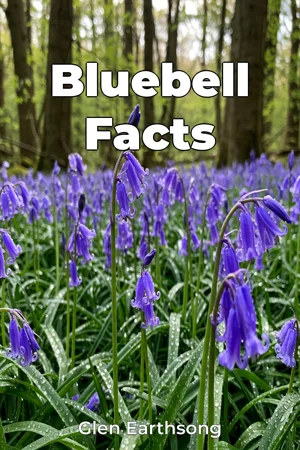
Have you ever wondered about the silent stories whispered within a bluebell wood, or the intricate science that governs the dance of seasonal blooms? "Bluebell Facts" delves into the captivating world of Hyacinthoides non-scripta, commonly known as the bluebell, exploring its rich history, its ecological significance, and the scientific processes behind its life cycle. This book aims to provide a comprehensive understanding of these iconic woodland flowers. We will address two central topics: the cultural and historical significance of bluebells and the scientific study of their biology and ecology. Understanding why bluebells are cherished symbols and understanding the science of their existence can provide greater appreciation for this plant. Bluebells have been intertwined with human culture for centuries, appearing in folklore, literature, and art. Scientifically, bluebells serve crucial roles in their woodland ecosystems. Their presence indicates ancient woodlands, and they provide vital resources for pollinators. The book explores this intersection of culture and science. The central argument of "Bluebell Facts" is that the bluebell, beyond its aesthetic appeal, is a keystone species whose survival reflects the health of our ancient woodlands and whose biology offers valuable insights into plant adaptation and conservation. Understanding this argument is crucial for promoting responsible environmental stewardship. The structure of this book will begin with an introduction to the bluebell, covering its taxonomy, distribution, and historical uses. The following sections will then develop key aspects of the bluebell's existence: its mythological and cultural connections, its ecological role, its genetic makeup, and the challenges it faces in a changing environment. The culmination of the book will focus on practical steps for conservation and management, empowering readers to contribute to the preservation of bluebell woods. The evidence presented will draw on a range of sources, including botanical surveys, genetic studies, historical records, and ecological research. Data from national surveys on woodland health and bluebell distribution will provide a quantitative basis for understanding population trends. "Bluebell Facts" connects to various fields of study, including botany, ecology, history, and conservation biology. Its exploration of folklore also links it to cultural studies and anthropology. These interdisciplinary connections enrich the reader's understanding of the bluebell and its place in both the natural world and human culture. This book differentiates itself by combining scientific rigor with cultural awareness. It aims to be both informative and compelling, making the science accessible to a broad audience while maintaining accuracy and depth. The tone of the book is authoritative yet accessible, appealing to a wide range of readers. The writing style blends scientific explanation with engaging storytelling, making it easy to follow for both academic and general audiences. The target audience includes nature enthusiasts, students of botany and ecology, conservationists, gardeners, and anyone interested in the natural history of the British Isles. It appeals to those who appreciate the beauty of bluebells and seek a deeper understanding of their biology and conservation. As non-fiction, "Bluebell Facts" aims to deliver accurate and unbiased information, supported by evidence and presented in a clear, logical manner. It avoids speculation and focuses on established facts and research findings. The scope of the book is primarily focused on the British bluebell, Hyacinthoides non-scripta, although it acknowledges related species and broader ecological principles. It does not delve into the detailed horticultural aspects of growing bluebells but focuses on their natural habitats and conservation. The information in "Bluebell Facts" can be applied directly to conservation efforts. Readers will gain insights into managing bluebell woods, promoting responsible tourism, and supporting organizations dedicated to woodland preservation. While the conservation of bluebells is generally supported, there are debates about specific management practices, such as controlling invasive species and mitigating the impacts of climate change. "Bluebell Facts" acknowledges these debates and presents different perspectives, encouraging critical thinking and informed decision-making.
Have you ever wondered about the silent stories whispered within a bluebell wood, or the intricate science that governs the dance of seasonal blooms? "Bluebell Facts" delves into the captivating world of Hyacinthoides non-scripta, commonly known as the bluebell, exploring its rich history, its ecological significance, and the scientific processes behind its life cycle. This book aims to provide a comprehensive understanding of these iconic woodland flowers. We will address two central topics: the cultural and historical significance of bluebells and the scientific study of their biology and ecology. Understanding why bluebells are cherished symbols and understanding the science of their existence can provide greater appreciation for this plant. Bluebells have been intertwined with human culture for centuries, appearing in folklore, literature, and art. Scientifically, bluebells serve crucial roles in their woodland ecosystems. Their presence indicates ancient woodlands, and they provide vital resources for pollinators. The book explores this intersection of culture and science. The central argument of "Bluebell Facts" is that the bluebell, beyond its aesthetic appeal, is a keystone species whose survival reflects the health of our ancient woodlands and whose biology offers valuable insights into plant adaptation and conservation. Understanding this argument is crucial for promoting responsible environmental stewardship. The structure of this book will begin with an introduction to the bluebell, covering its taxonomy, distribution, and historical uses. The following sections will then develop key aspects of the bluebell's existence: its mythological and cultural connections, its ecological role, its genetic makeup, and the challenges it faces in a changing environment. The culmination of the book will focus on practical steps for conservation and management, empowering readers to contribute to the preservation of bluebell woods. The evidence presented will draw on a range of sources, including botanical surveys, genetic studies, historical records, and ecological research. Data from national surveys on woodland health and bluebell distribution will provide a quantitative basis for understanding population trends. "Bluebell Facts" connects to various fields of study, including botany, ecology, history, and conservation biology. Its exploration of folklore also links it to cultural studies and anthropology. These interdisciplinary connections enrich the reader's understanding of the bluebell and its place in both the natural world and human culture. This book differentiates itself by combining scientific rigor with cultural awareness. It aims to be both informative and compelling, making the science accessible to a broad audience while maintaining accuracy and depth. The tone of the book is authoritative yet accessible, appealing to a wide range of readers. The writing style blends scientific explanation with engaging storytelling, making it easy to follow for both academic and general audiences. The target audience includes nature enthusiasts, students of botany and ecology, conservationists, gardeners, and anyone interested in the natural history of the British Isles. It appeals to those who appreciate the beauty of bluebells and seek a deeper understanding of their biology and conservation. As non-fiction, "Bluebell Facts" aims to deliver accurate and unbiased information, supported by evidence and presented in a clear, logical manner. It avoids speculation and focuses on established facts and research findings. The scope of the book is primarily focused on the British bluebell, Hyacinthoides non-scripta, although it acknowledges related species and broader ecological principles. It does not delve into the detailed horticultural aspects of growing bluebells but focuses on their natural habitats and conservation. The information in "Bluebell Facts" can be applied directly to conservation efforts. Readers will gain insights into managing bluebell woods, promoting responsible tourism, and supporting organizations dedicated to woodland preservation. While the conservation of bluebells is generally supported, there are debates about specific management practices, such as controlling invasive species and mitigating the impacts of climate change. "Bluebell Facts" acknowledges these debates and presents different perspectives, encouraging critical thinking and informed decision-making.
"Bluebell Facts" explores the fascinating world of bluebells, or Hyacinthoides non-scripta, blending scientific insights with cultural history. This book reveals how bluebells are more than just aesthetically pleasing flowers; they are vital indicators of ancient woodland health and play a crucial ecological role, supporting pollinators and enriching woodland ecosystems. Discover intriguing facts, such as how their presence often signifies undisturbed, ancient woodlands and their deep roots in folklore and cultural traditions. The book progresses from an introduction to bluebell taxonomy and distribution to exploring their cultural significance, ecological roles, genetic makeup, and the conservation challenges they face. By combining botanical surveys, genetic studies, and historical records, "Bluebell Facts" offers a comprehensive view, emphasizing conservation. The book uniquely combines scientific rigor with cultural awareness, making complex concepts accessible to a broad audience interested in botany, ecology, and woodland preservation.
Book Details
ISBN
9788233970444
Publisher
Publifye AS
Your Licenses
You don't own any licenses for this book
Purchase a license below to unlock this book and download the EPUB.
Purchase License
Select a tier to unlock this book
Need bulk licensing?
Contact us for enterprise agreements.