
About This Book
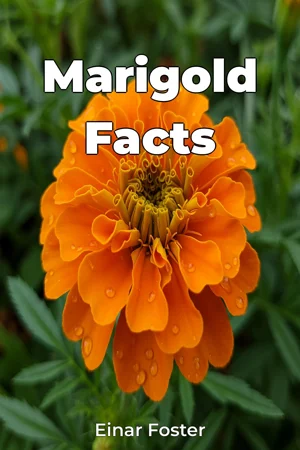
Did you know that the vibrant marigold, a common garden flower, holds secrets far beyond its ornamental appeal? "Marigold Facts" delves into the multifaceted world of this often-underestimated plant, exploring its natural pest-repelling capabilities, its diverse and culturally significant colors, and its deep-rooted role in various traditions around the globe. These elements intertwine to reveal the marigold as a powerful force in both natural ecosystems and human societies. Understanding these aspects enhances our appreciation for the intricate connections between plants, environments, and cultures. This book provides a comprehensive examination of the marigold, beginning with its scientific classification and botanical properties before expanding into its ecological and cultural significance. We first establish a solid foundation in the plant’s basic biology, covering topics such as its anatomy, growth cycle, and genetic diversity within the Tagetes genus. From there, we explore the fascinating science behind the marigold’s pest-repelling abilities, focusing on the chemicals it produces – particularly thiophenes – and their effects on nematodes and other common garden pests. The book further examines the role of marigolds as companion plants in agricultural settings, presenting data on their effectiveness in reducing pest pressure and promoting healthy crop growth. Following the scientific exploration, "Marigold Facts" transitions to a discussion of the cultural significance of marigolds. The book elucidates on the profound symbolic weight that marigolds carry in cultures worldwide, particularly in India and Mexico where they are prominently featured in religious ceremonies, festivals, and Day of the Dead celebrations. It also explores the evolution of marigolds’ symbolism over time, emphasizing its link to themes like passion, grief, and remembrance. The central argument of "Marigold Facts" is that the marigold, often viewed as a simple flower, is a complex organism with significant ecological and cultural impact. This argument is constructed by drawing on a variety of evidence. Scientific studies, field experiments, and traditional ethnobotanical knowledge are compiled to support the claim. Data will include chemical analyses of marigold extracts, experimental results from companion planting studies, and historical accounts detailing marigold use in different cultures. The book uses a blend of scientific rigor and engaging narrative to illustrate how the marigold's properties and historical context can offer insights into sustainable agriculture, cultural preservation, and the broader human-nature relationship. The book also reveals the interdisciplinary nature of marigold studies, connecting biology with agriculture and cultural anthropology. Biologists will find detailed information on the plant's chemical compounds and their effect on other organisms. Agricultural scientists can explore data on companion planting and sustainable pest management. Anthropologists will appreciate the exploration of marigold symbolism and its role in cultural practices. The book presents an integrated perspective on the marigold, revealing its multifaceted value in different areas. "Marigold Facts" takes a balanced and objective tone, presenting information clearly and concisely, suitable for a wide readership. The book is aimed at gardeners interested in natural pest control, students of botany and agriculture, and anyone curious about the cultural significance of plants. By combining scientific data with cultural narratives, this book provides a rounded and intriguing perspective on the marigold. While "Marigold Facts" offers a wide-ranging overview of the marigold, it primarily focuses on the pest-repelling properties and cultural significance found within the well-studied species, such as Tagetes erecta and Tagetes patula. Other species within the Tagetes genus are mentioned, however their properties are not explored as deeply. The book explores the use of marigolds in various contexts, it does not provide exhaustive instructions for growing marigolds or detailed guides for specific companion planting strategies. The information provided in "Marigold Facts" has real-world applications for gardeners and agriculturalists looking to sustainably manage pests and foster healthy ecosystems. By understanding the science behind marigold’s natural properties, readers can implement practical strategies for using marigolds in their own gardens and farms.
Did you know that the vibrant marigold, a common garden flower, holds secrets far beyond its ornamental appeal? "Marigold Facts" delves into the multifaceted world of this often-underestimated plant, exploring its natural pest-repelling capabilities, its diverse and culturally significant colors, and its deep-rooted role in various traditions around the globe. These elements intertwine to reveal the marigold as a powerful force in both natural ecosystems and human societies. Understanding these aspects enhances our appreciation for the intricate connections between plants, environments, and cultures. This book provides a comprehensive examination of the marigold, beginning with its scientific classification and botanical properties before expanding into its ecological and cultural significance. We first establish a solid foundation in the plant’s basic biology, covering topics such as its anatomy, growth cycle, and genetic diversity within the Tagetes genus. From there, we explore the fascinating science behind the marigold’s pest-repelling abilities, focusing on the chemicals it produces – particularly thiophenes – and their effects on nematodes and other common garden pests. The book further examines the role of marigolds as companion plants in agricultural settings, presenting data on their effectiveness in reducing pest pressure and promoting healthy crop growth. Following the scientific exploration, "Marigold Facts" transitions to a discussion of the cultural significance of marigolds. The book elucidates on the profound symbolic weight that marigolds carry in cultures worldwide, particularly in India and Mexico where they are prominently featured in religious ceremonies, festivals, and Day of the Dead celebrations. It also explores the evolution of marigolds’ symbolism over time, emphasizing its link to themes like passion, grief, and remembrance. The central argument of "Marigold Facts" is that the marigold, often viewed as a simple flower, is a complex organism with significant ecological and cultural impact. This argument is constructed by drawing on a variety of evidence. Scientific studies, field experiments, and traditional ethnobotanical knowledge are compiled to support the claim. Data will include chemical analyses of marigold extracts, experimental results from companion planting studies, and historical accounts detailing marigold use in different cultures. The book uses a blend of scientific rigor and engaging narrative to illustrate how the marigold's properties and historical context can offer insights into sustainable agriculture, cultural preservation, and the broader human-nature relationship. The book also reveals the interdisciplinary nature of marigold studies, connecting biology with agriculture and cultural anthropology. Biologists will find detailed information on the plant's chemical compounds and their effect on other organisms. Agricultural scientists can explore data on companion planting and sustainable pest management. Anthropologists will appreciate the exploration of marigold symbolism and its role in cultural practices. The book presents an integrated perspective on the marigold, revealing its multifaceted value in different areas. "Marigold Facts" takes a balanced and objective tone, presenting information clearly and concisely, suitable for a wide readership. The book is aimed at gardeners interested in natural pest control, students of botany and agriculture, and anyone curious about the cultural significance of plants. By combining scientific data with cultural narratives, this book provides a rounded and intriguing perspective on the marigold. While "Marigold Facts" offers a wide-ranging overview of the marigold, it primarily focuses on the pest-repelling properties and cultural significance found within the well-studied species, such as Tagetes erecta and Tagetes patula. Other species within the Tagetes genus are mentioned, however their properties are not explored as deeply. The book explores the use of marigolds in various contexts, it does not provide exhaustive instructions for growing marigolds or detailed guides for specific companion planting strategies. The information provided in "Marigold Facts" has real-world applications for gardeners and agriculturalists looking to sustainably manage pests and foster healthy ecosystems. By understanding the science behind marigold’s natural properties, readers can implement practical strategies for using marigolds in their own gardens and farms.
"Marigold Facts" reveals the surprising depth behind this common flower, demonstrating its importance far beyond simple garden aesthetics. It explores the marigold's natural ability to repel pests, highlighting how chemicals like thiophenes produced by *Tagetes* species can control nematodes and other garden pests, making them valuable in sustainable agriculture and companion planting. The book also examines the cultural significance of marigolds, particularly their role in traditions like the Day of the Dead, where they symbolize remembrance. The book begins with a botanical overview of the marigold, explaining its biology and genetic diversity. It then delves into the science of its pest-repelling qualities, using scientific studies and field experiments to support its claims. Moving beyond science, "Marigold Facts" explores the cultural symbolism associated with marigolds in various societies, revealing their connections to themes of passion, grief, and cultural identity. By blending scientific research with cultural narratives, "Marigold Facts" offers a unique perspective, illustrating how this readily available plant connects botany, agriculture, and cultural anthropology. The book progresses from the marigold's scientific properties to its cultural impact, providing readers with a comprehensive understanding of its multifaceted role in our world.
Book Details
ISBN
9788233970437
Publisher
Publifye AS
Your Licenses
You don't own any licenses for this book
Purchase a license below to unlock this book and download the EPUB.
Purchase License
Select a tier to unlock this book
Need bulk licensing?
Contact us for enterprise agreements.