
About This Book
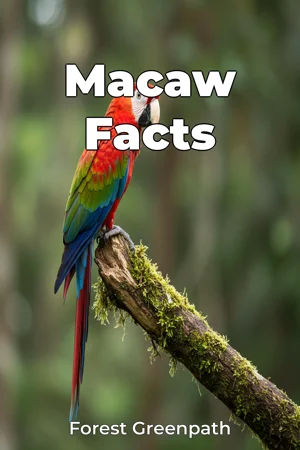
Are macaws simply beautiful birds, or do they possess a level of intelligence and social complexity that rivals some mammals? "Macaw Facts" delves into the captivating world of these vibrant creatures, exploring their remarkable cognitive abilities, their surprisingly long lifespans, and the increasing threats that have led to their endangered status. Understanding macaws is not only crucial for conservation efforts but also offers insights into the evolution of intelligence and social behavior in birds. This book tackles three key aspects of macaw life. First, it examines their intelligence, moving beyond anecdotal observations to explore the scientific evidence of their problem-solving skills, communication complexity, and capacity for learning. Second, it investigates the biological factors contributing to their extended lifespans, often exceeding 60 years in captivity and substantial periods in the wild, analyzing the relationship between longevity and social structures. Finally, it presents a comprehensive overview of the challenges macaws face, from habitat destruction and poaching to the illegal pet trade, emphasizing the urgent need for conservation. We will begin by establishing a foundation of avian biology, briefly introducing concepts of avian cognition and social behavior to set the stage for understanding macaws’ specific attributes. This background information ensures that readers, regardless of their prior knowledge, can fully appreciate the more detailed discussions that follow. The central argument of "Macaw Facts" is that macaws represent a compelling case study in avian intelligence and social complexity, highlighting both the intrinsic value of these species and the ethical imperative to protect them. The book challenges common misconceptions about bird intelligence and underscores the importance of considering cognitive abilities and long-term ecological implications in conservation strategies. The book unfolds in a logical structure. We start by introducing the different species of macaws, their global distribution, and their evolutionary history. The first major section then focuses on macaw intelligence, detailing experiments on problem-solving, tool use, and social learning, drawing upon studies in both controlled laboratory settings and natural habitats. The work then shifts to their long lifespan, exploring the physiological and environmental factors that contribute to macaw longevity, including diet, social bonds, and predator avoidance. Finally, it culminates in a detailed discussion of the threats to macaw populations, analyzing the socio-economic drivers of habitat loss and the impacts of climate change, concluding with potential solutions for conservation. The evidence presented in "Macaw Facts" is drawn from a wide range of sources, including peer-reviewed scientific articles, long-term field studies, and data collected from avian rehabilitation centers and zoological institutions. It incorporates data on macaw genetics, behavior, and ecology to provide a comprehensive and evidence-based account. This book connects to diverse fields such as cognitive science, conservation biology, and environmental ethics. By examining macaw intelligence, it contributes to our broader understanding of animal cognition. Its focus on conservation efforts highlights the intersection of biology and ethical considerations. By exploring the impact of environmental change on macaw populations, it connects to the study of climate science and its ecological consequences. "Macaw Facts" offers a unique perspective by integrating scientific research with real-world conservation challenges. It doesn't just present facts; it interprets them within the context of ongoing debates about animal intelligence and conservation strategies. The tone is informative, engaging, and accessible. While grounded in scientific rigor, the writing style avoids jargon and aims to communicate complex information in a clear and compelling manner. The target audience includes bird enthusiasts, students of biology and environmental science, conservation professionals, and anyone interested in learning more about animal intelligence. The book will appeal to readers who appreciate fact-based accounts and are concerned about biodiversity and conservation. "Macaw Facts" adheres to the conventions of non-fiction science writing by providing accurate, well-researched information and by citing sources appropriately and it acknowledges the inherent limitations of focusing on a single group of birds, macaws recognizing that broad generalizations about avian intelligence or conservation strategies should be made cautiously. The information within this book regarding macaw habitats, behaviors and conservation can be used by individuals to support conservation organizations, make informed decisions about pet ownership, and promote sustainable tourism practices that benefit both people and wildlife. While there may be no active scientific "controversies" with respect to macaw facts, the book addresses debates on the ethical considerations of keeping macaws as pets and also the various approaches and strategies to conservation efforts.
Are macaws simply beautiful birds, or do they possess a level of intelligence and social complexity that rivals some mammals? "Macaw Facts" delves into the captivating world of these vibrant creatures, exploring their remarkable cognitive abilities, their surprisingly long lifespans, and the increasing threats that have led to their endangered status. Understanding macaws is not only crucial for conservation efforts but also offers insights into the evolution of intelligence and social behavior in birds. This book tackles three key aspects of macaw life. First, it examines their intelligence, moving beyond anecdotal observations to explore the scientific evidence of their problem-solving skills, communication complexity, and capacity for learning. Second, it investigates the biological factors contributing to their extended lifespans, often exceeding 60 years in captivity and substantial periods in the wild, analyzing the relationship between longevity and social structures. Finally, it presents a comprehensive overview of the challenges macaws face, from habitat destruction and poaching to the illegal pet trade, emphasizing the urgent need for conservation. We will begin by establishing a foundation of avian biology, briefly introducing concepts of avian cognition and social behavior to set the stage for understanding macaws’ specific attributes. This background information ensures that readers, regardless of their prior knowledge, can fully appreciate the more detailed discussions that follow. The central argument of "Macaw Facts" is that macaws represent a compelling case study in avian intelligence and social complexity, highlighting both the intrinsic value of these species and the ethical imperative to protect them. The book challenges common misconceptions about bird intelligence and underscores the importance of considering cognitive abilities and long-term ecological implications in conservation strategies. The book unfolds in a logical structure. We start by introducing the different species of macaws, their global distribution, and their evolutionary history. The first major section then focuses on macaw intelligence, detailing experiments on problem-solving, tool use, and social learning, drawing upon studies in both controlled laboratory settings and natural habitats. The work then shifts to their long lifespan, exploring the physiological and environmental factors that contribute to macaw longevity, including diet, social bonds, and predator avoidance. Finally, it culminates in a detailed discussion of the threats to macaw populations, analyzing the socio-economic drivers of habitat loss and the impacts of climate change, concluding with potential solutions for conservation. The evidence presented in "Macaw Facts" is drawn from a wide range of sources, including peer-reviewed scientific articles, long-term field studies, and data collected from avian rehabilitation centers and zoological institutions. It incorporates data on macaw genetics, behavior, and ecology to provide a comprehensive and evidence-based account. This book connects to diverse fields such as cognitive science, conservation biology, and environmental ethics. By examining macaw intelligence, it contributes to our broader understanding of animal cognition. Its focus on conservation efforts highlights the intersection of biology and ethical considerations. By exploring the impact of environmental change on macaw populations, it connects to the study of climate science and its ecological consequences. "Macaw Facts" offers a unique perspective by integrating scientific research with real-world conservation challenges. It doesn't just present facts; it interprets them within the context of ongoing debates about animal intelligence and conservation strategies. The tone is informative, engaging, and accessible. While grounded in scientific rigor, the writing style avoids jargon and aims to communicate complex information in a clear and compelling manner. The target audience includes bird enthusiasts, students of biology and environmental science, conservation professionals, and anyone interested in learning more about animal intelligence. The book will appeal to readers who appreciate fact-based accounts and are concerned about biodiversity and conservation. "Macaw Facts" adheres to the conventions of non-fiction science writing by providing accurate, well-researched information and by citing sources appropriately and it acknowledges the inherent limitations of focusing on a single group of birds, macaws recognizing that broad generalizations about avian intelligence or conservation strategies should be made cautiously. The information within this book regarding macaw habitats, behaviors and conservation can be used by individuals to support conservation organizations, make informed decisions about pet ownership, and promote sustainable tourism practices that benefit both people and wildlife. While there may be no active scientific "controversies" with respect to macaw facts, the book addresses debates on the ethical considerations of keeping macaws as pets and also the various approaches and strategies to conservation efforts.
"Macaw Facts" explores the fascinating world of macaws, highlighting their intelligence, longevity, and the threats they face. These vibrant birds exhibit remarkable cognitive abilities, such as problem-solving skills and complex communication, challenging common misconceptions about avian intelligence. Intriguingly, macaws can live for over 60 years, fostering intricate social structures that contribute to their survival. The book delves into avian biology, setting the stage for understanding macaws' unique attributes, and progresses logically, starting with an introduction to macaw species and their evolutionary history. It then details their intelligence, lifespan, and the challenges endangering their populations, from habitat loss to the illegal pet trade. By integrating scientific research with real-world conservation challenges, "Macaw Facts" emphasizes the urgent need for conservation, offering a unique perspective on avian cognition and ethical considerations.
Book Details
ISBN
9788233970352
Publisher
Publifye AS
Your Licenses
You don't own any licenses for this book
Purchase a license below to unlock this book and download the EPUB.
Purchase License
Select a tier to unlock this book
Need bulk licensing?
Contact us for enterprise agreements.