
About This Book
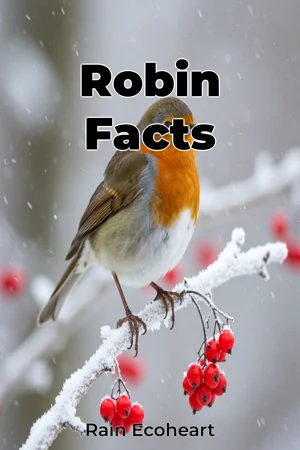
Have you ever wondered about the secrets hidden within the seemingly ordinary life of a robin? "Robin Facts" is a journey into the world of these familiar birds, exploring not only their biology and behavior but also their surprising role in human culture and understanding of the natural world. This book delves into three core areas: the intricacies of robin migration, the scientific understanding of their life cycles and adaptations, and their enduring presence in folklore and mythology. These topics are important because understanding robins offers a window into broader ecological principles, the impact of environmental change, and the complex relationship between humans and nature. The book begins by establishing a foundation in ornithology, providing essential background on avian biology and the specific characteristics that define the robin species. We will explore their taxonomic classification, physical attributes, and typical habitats. While no prior knowledge of advanced biology is strictly required, a general interest in nature and wildlife will enhance the reading experience. The central argument of "Robin Facts" is that the robin, often overlooked due to its ubiquity, serves as a powerful indicator of environmental health and a fascinating subject for understanding the interplay between nature and culture. By examining their migration patterns, life cycles, and symbolic representation, we can gain valuable insights into ecological change, evolutionary adaptation, and the enduring power of nature in the human imagination. This book is structured to provide a comprehensive understanding of robins. First, we will introduce the fundamental concepts of robin biology, including their diet, breeding habits, and social behaviors. The subsequent sections will develop these ideas in three major parts. Firstly, the book will meticulously examine robin migration, mapping their routes, analyzing the factors that influence their movements (such as climate and food availability), and discussing the challenges they face during these journeys. Secondly, insights from the life sciences will be used to explore their life cycles, adaptations, and the evolutionary pressures that have shaped the robin species. This includes a close look at their reproductive strategies, predator-prey relationships, and physiological adaptations to different environments. Lastly, it scrutinizes the cultural significance of robins, tracing their appearances in folklore, literature, and art across different cultures and time periods. We will analyze the symbolic meanings attributed to robins, exploring how they have been used to represent concepts such as spring, hope, and renewal. The book culminates by synthesizing these different perspectives to offer a holistic view of the robin, highlighting its importance as both a biological entity and a cultural symbol. Practical applications and implications of this knowledge, such as conservation efforts and understanding the impact of urbanization on robin populations, are also discussed. The evidence presented in "Robin Facts" draws from a wide range of sources, including scientific studies, field observations, and historical records. We will analyze data from bird banding programs, ecological surveys, and genetic research to support our claims. The book also incorporates information from folklore archives, literary analysis, and art historical sources to explore the cultural dimensions of the robin. "Robin Facts" also connects to several other fields of study. Ecology is central, as the robin serves as an indicator species for environmental health. The book also touches on climatology, as changing weather patterns profoundly affect robin migration and survival. Anthropology is relevant when studying the cultural symbolism of robins in different societies. These interdisciplinary connections enrich the book's argument by demonstrating the multifaceted nature of our relationship with the natural world. This book offers a unique perspective by integrating scientific research with cultural analysis, presenting a comprehensive portrait of the robin that goes beyond simple identification and behavior. The writing style is accessible and engaging, aiming to inform and inspire readers with a blend of scientific rigor and narrative storytelling. The target audience includes nature enthusiasts, birdwatchers, students of biology and environmental science, and anyone interested in learning more about the natural world and its cultural significance. The book will appeal to readers seeking a deeper understanding of a familiar species and its role in the broader ecosystem. As a non-fiction work in the genres of Nature, Science (Life Sciences, Biology), "Robin Facts" adheres to the conventions of accuracy, clarity, and evidence-based reasoning. The book maintains a neutral and objective tone, presenting information in a balanced and unbiased manner. The scope of "Robin Facts" is limited to the robin species, focusing primarily on the American robin (Turdus migratorius) and related species. While the book touches upon the broader context of avian biology and ecology, it does not attempt to provide a comprehensive overview of all bird species. This intentional limitation allows for a more in-depth exploration of the robin and its unique characteristics. The information presented in "Robin Facts" can be applied practically in several ways. Readers can use their newfound knowledge to support local conservation efforts, participate in citizen science projects, and make informed decisions about how to create bird-friendly habitats in their own backyards. While the basic biology of robins is well-established, ongoing debates exist regarding the impact of climate change and habitat loss on their populations, discussed in the relevant sections of "Robin Facts." These debates reflect the complex challenges facing conservation efforts and the need for continued research and monitoring.
Have you ever wondered about the secrets hidden within the seemingly ordinary life of a robin? "Robin Facts" is a journey into the world of these familiar birds, exploring not only their biology and behavior but also their surprising role in human culture and understanding of the natural world. This book delves into three core areas: the intricacies of robin migration, the scientific understanding of their life cycles and adaptations, and their enduring presence in folklore and mythology. These topics are important because understanding robins offers a window into broader ecological principles, the impact of environmental change, and the complex relationship between humans and nature. The book begins by establishing a foundation in ornithology, providing essential background on avian biology and the specific characteristics that define the robin species. We will explore their taxonomic classification, physical attributes, and typical habitats. While no prior knowledge of advanced biology is strictly required, a general interest in nature and wildlife will enhance the reading experience. The central argument of "Robin Facts" is that the robin, often overlooked due to its ubiquity, serves as a powerful indicator of environmental health and a fascinating subject for understanding the interplay between nature and culture. By examining their migration patterns, life cycles, and symbolic representation, we can gain valuable insights into ecological change, evolutionary adaptation, and the enduring power of nature in the human imagination. This book is structured to provide a comprehensive understanding of robins. First, we will introduce the fundamental concepts of robin biology, including their diet, breeding habits, and social behaviors. The subsequent sections will develop these ideas in three major parts. Firstly, the book will meticulously examine robin migration, mapping their routes, analyzing the factors that influence their movements (such as climate and food availability), and discussing the challenges they face during these journeys. Secondly, insights from the life sciences will be used to explore their life cycles, adaptations, and the evolutionary pressures that have shaped the robin species. This includes a close look at their reproductive strategies, predator-prey relationships, and physiological adaptations to different environments. Lastly, it scrutinizes the cultural significance of robins, tracing their appearances in folklore, literature, and art across different cultures and time periods. We will analyze the symbolic meanings attributed to robins, exploring how they have been used to represent concepts such as spring, hope, and renewal. The book culminates by synthesizing these different perspectives to offer a holistic view of the robin, highlighting its importance as both a biological entity and a cultural symbol. Practical applications and implications of this knowledge, such as conservation efforts and understanding the impact of urbanization on robin populations, are also discussed. The evidence presented in "Robin Facts" draws from a wide range of sources, including scientific studies, field observations, and historical records. We will analyze data from bird banding programs, ecological surveys, and genetic research to support our claims. The book also incorporates information from folklore archives, literary analysis, and art historical sources to explore the cultural dimensions of the robin. "Robin Facts" also connects to several other fields of study. Ecology is central, as the robin serves as an indicator species for environmental health. The book also touches on climatology, as changing weather patterns profoundly affect robin migration and survival. Anthropology is relevant when studying the cultural symbolism of robins in different societies. These interdisciplinary connections enrich the book's argument by demonstrating the multifaceted nature of our relationship with the natural world. This book offers a unique perspective by integrating scientific research with cultural analysis, presenting a comprehensive portrait of the robin that goes beyond simple identification and behavior. The writing style is accessible and engaging, aiming to inform and inspire readers with a blend of scientific rigor and narrative storytelling. The target audience includes nature enthusiasts, birdwatchers, students of biology and environmental science, and anyone interested in learning more about the natural world and its cultural significance. The book will appeal to readers seeking a deeper understanding of a familiar species and its role in the broader ecosystem. As a non-fiction work in the genres of Nature, Science (Life Sciences, Biology), "Robin Facts" adheres to the conventions of accuracy, clarity, and evidence-based reasoning. The book maintains a neutral and objective tone, presenting information in a balanced and unbiased manner. The scope of "Robin Facts" is limited to the robin species, focusing primarily on the American robin (Turdus migratorius) and related species. While the book touches upon the broader context of avian biology and ecology, it does not attempt to provide a comprehensive overview of all bird species. This intentional limitation allows for a more in-depth exploration of the robin and its unique characteristics. The information presented in "Robin Facts" can be applied practically in several ways. Readers can use their newfound knowledge to support local conservation efforts, participate in citizen science projects, and make informed decisions about how to create bird-friendly habitats in their own backyards. While the basic biology of robins is well-established, ongoing debates exist regarding the impact of climate change and habitat loss on their populations, discussed in the relevant sections of "Robin Facts." These debates reflect the complex challenges facing conservation efforts and the need for continued research and monitoring.
"Robin Facts" explores the multifaceted life of robins, revealing their significance in both ecology and human culture. This book examines the intricacies of avian biology, focusing on robin migration patterns and life cycles. Did you know robins serve as indicator species, reflecting environmental health? Also explored is their presence in folklore, where they symbolize spring and renewal across cultures. The book uniquely integrates scientific research with cultural analysis, offering a comprehensive view of robins. Chapters progress from establishing ornithological foundations to examining migration, life cycles, and cultural symbolism. Understanding robin migration reveals the impact of climate and food availability on their journeys. The book highlights that robins, due to their ubiquity, are often overlooked despite their valuable insights into ecological change. The approach is accessible, blending scientific rigor with narrative storytelling. This allows readers to understand the complex relationship between nature and culture through the lens of a familiar bird.
Book Details
ISBN
9788233970314
Publisher
Publifye AS
Your Licenses
You don't own any licenses for this book
Purchase a license below to unlock this book and download the EPUB.
Purchase License
Select a tier to unlock this book
Need bulk licensing?
Contact us for enterprise agreements.