
About This Book
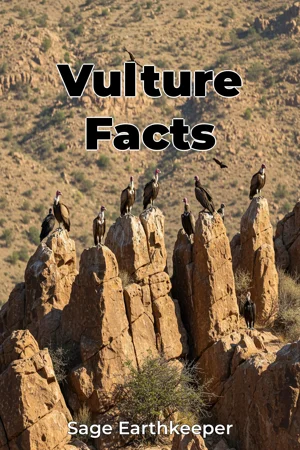
Have you ever stopped to consider the unsung heroes of the natural world, the creatures that tirelessly work to keep our ecosystems clean and healthy? "Vulture Facts" delves into the often-misunderstood world of vultures, exploring their critical role as nature's scavengers, their impact on environmental health, and the remarkable adaptations that make them masters of the sky. This book explores three key areas: the ecological importance of vultures, their biological adaptations for scavenging, and the threats they face in the modern world. These topics are important because vultures provide invaluable ecosystem services. Their efficient consumption of carrion prevents the spread of diseases, reduces populations of disease-carrying insects, and contributes to nutrient cycling. Without them, ecosystems would be significantly less healthy and resilient. Historically, vultures have been viewed with a mixture of fear and fascination. Ancient cultures sometimes revered them, associating them with death and rebirth, while modern perceptions are often colored by negative stereotypes. Scientifically, understanding vulture biology and behavior is a relatively recent endeavor, building upon decades of ornithological research and ecological studies. The central argument of "Vulture Facts" is that vultures are indispensable to the health of our ecosystems, and their conservation is crucial for maintaining environmental balance. We will demonstrate this through detailed analysis of their feeding habits, disease resistance, and population dynamics, highlighting the cascading effects of their decline on other species and human health. The book is structured to provide a comprehensive overview of vulture biology and ecology. **Part 1** introduces the diversity of vulture species worldwide, detailing their taxonomic classifications and geographic distributions. **Part 2** explores in-depth the unique physical and physiological adaptations that enable vultures to thrive as scavengers, including their powerful digestive systems, keen eyesight, and soaring flight capabilities. **Part 3** examines the threats facing vulture populations today, such as habitat loss, poisoning (both intentional and unintentional), and collisions with power lines. The book culminates with a discussion of conservation strategies and the importance of international collaboration to protect these vital birds. "Vulture Facts" draws upon a wide range of scientific literature, including peer-reviewed studies, government reports, and data from conservation organizations. We will present evidence from field research on vulture foraging behavior, analyses of poisoning incidents, and demographic data on population trends. Additionally, we incorporate data from satellite tracking studies to illustrate vulture migration patterns and habitat use. This book connects to several other fields of study. Public health, as vultures' scavenging prevents the spread of diseases like anthrax and botulism. Agricultural science, vultures indirectly benefit livestock management by removing carcasses that could contaminate pastures. Finally, with engineering through the study of vulture flight patterns, this can inspire the development of efficient aircraft designs. All these connections bolster the central argument by demonstrating the wide-ranging impacts of vultures on various aspects of human life and the environment. A unique aspect of this book is its focus on the practical applications of vulture research for conservation efforts. By providing detailed information on vulture ecology and behavior, we aim to empower conservationists, policymakers, and the general public to take informed action to protect these birds. We will also present case studies of successful vulture conservation projects from around the world. The writing style is accessible and engaging, aiming to convey complex scientific information in a way that is both informative and enjoyable for a broad audience. While based on scientific fact, the tone remains conversational to ensure readability. The target audience includes students, conservationists, bird enthusiasts, and anyone interested in learning more about the natural world. This book is valuable for anyone seeking a deeper understanding of the ecological roles of often-overlooked species. It is also a great source for anyone who wants to understand the impact of conservation efforts on the future of vultures. It aligns with the conventions of non-fiction nature writing, combining scientific rigor with engaging storytelling. The scope of the book is global, covering vulture species from around the world. However, we acknowledge that certain regions and species have been studied more extensively than others, reflecting limitations in available data. We address the controversies surrounding the use of diclofenac, a veterinary drug toxic to vultures, and the ongoing debates about the effectiveness of different conservation strategies. "Vulture Facts" offers insights into best practices for mitigating human-wildlife conflict.
Have you ever stopped to consider the unsung heroes of the natural world, the creatures that tirelessly work to keep our ecosystems clean and healthy? "Vulture Facts" delves into the often-misunderstood world of vultures, exploring their critical role as nature's scavengers, their impact on environmental health, and the remarkable adaptations that make them masters of the sky. This book explores three key areas: the ecological importance of vultures, their biological adaptations for scavenging, and the threats they face in the modern world. These topics are important because vultures provide invaluable ecosystem services. Their efficient consumption of carrion prevents the spread of diseases, reduces populations of disease-carrying insects, and contributes to nutrient cycling. Without them, ecosystems would be significantly less healthy and resilient. Historically, vultures have been viewed with a mixture of fear and fascination. Ancient cultures sometimes revered them, associating them with death and rebirth, while modern perceptions are often colored by negative stereotypes. Scientifically, understanding vulture biology and behavior is a relatively recent endeavor, building upon decades of ornithological research and ecological studies. The central argument of "Vulture Facts" is that vultures are indispensable to the health of our ecosystems, and their conservation is crucial for maintaining environmental balance. We will demonstrate this through detailed analysis of their feeding habits, disease resistance, and population dynamics, highlighting the cascading effects of their decline on other species and human health. The book is structured to provide a comprehensive overview of vulture biology and ecology. **Part 1** introduces the diversity of vulture species worldwide, detailing their taxonomic classifications and geographic distributions. **Part 2** explores in-depth the unique physical and physiological adaptations that enable vultures to thrive as scavengers, including their powerful digestive systems, keen eyesight, and soaring flight capabilities. **Part 3** examines the threats facing vulture populations today, such as habitat loss, poisoning (both intentional and unintentional), and collisions with power lines. The book culminates with a discussion of conservation strategies and the importance of international collaboration to protect these vital birds. "Vulture Facts" draws upon a wide range of scientific literature, including peer-reviewed studies, government reports, and data from conservation organizations. We will present evidence from field research on vulture foraging behavior, analyses of poisoning incidents, and demographic data on population trends. Additionally, we incorporate data from satellite tracking studies to illustrate vulture migration patterns and habitat use. This book connects to several other fields of study. Public health, as vultures' scavenging prevents the spread of diseases like anthrax and botulism. Agricultural science, vultures indirectly benefit livestock management by removing carcasses that could contaminate pastures. Finally, with engineering through the study of vulture flight patterns, this can inspire the development of efficient aircraft designs. All these connections bolster the central argument by demonstrating the wide-ranging impacts of vultures on various aspects of human life and the environment. A unique aspect of this book is its focus on the practical applications of vulture research for conservation efforts. By providing detailed information on vulture ecology and behavior, we aim to empower conservationists, policymakers, and the general public to take informed action to protect these birds. We will also present case studies of successful vulture conservation projects from around the world. The writing style is accessible and engaging, aiming to convey complex scientific information in a way that is both informative and enjoyable for a broad audience. While based on scientific fact, the tone remains conversational to ensure readability. The target audience includes students, conservationists, bird enthusiasts, and anyone interested in learning more about the natural world. This book is valuable for anyone seeking a deeper understanding of the ecological roles of often-overlooked species. It is also a great source for anyone who wants to understand the impact of conservation efforts on the future of vultures. It aligns with the conventions of non-fiction nature writing, combining scientific rigor with engaging storytelling. The scope of the book is global, covering vulture species from around the world. However, we acknowledge that certain regions and species have been studied more extensively than others, reflecting limitations in available data. We address the controversies surrounding the use of diclofenac, a veterinary drug toxic to vultures, and the ongoing debates about the effectiveness of different conservation strategies. "Vulture Facts" offers insights into best practices for mitigating human-wildlife conflict.
Vultures, often misunderstood, are vital to environmental health, serving as nature's scavengers. "Vulture Facts" explores their indispensable role in ecosystems, highlighting how these birds prevent the spread of diseases and contribute to nutrient cycling. Did you know vultures possess highly acidic stomach acid, enabling them to consume carcasses infected with pathogens deadly to other animals? Or that their soaring flight, aided by thermals, allows them to cover vast distances in search of food? The book progresses through the diversity of vulture species, their unique biological adaptations, and the threats they face, such as habitat loss and poisoning. By drawing upon scientific literature and field research, the book emphasizes the practical applications of vulture research for conservation and offers insights into mitigating human-wildlife conflict. From their ecological importance to their population dynamics, "Vulture Facts" demonstrates why vulture conservation is crucial for maintaining environmental balance, benefitting public health and agriculture alike.
Book Details
ISBN
9788233970291
Publisher
Publifye AS
Your Licenses
You don't own any licenses for this book
Purchase a license below to unlock this book and download the EPUB.
Purchase License
Select a tier to unlock this book
Need bulk licensing?
Contact us for enterprise agreements.