
About This Book
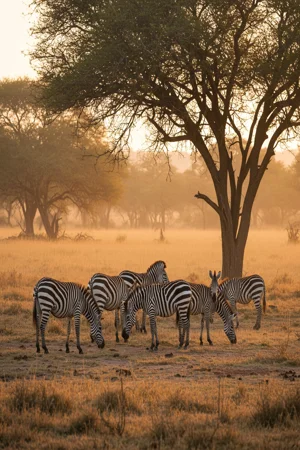
Have you ever gazed upon a zebra and wondered about the secrets hidden within its striking stripes? "Zebra Facts" unravels the mysteries surrounding these iconic African equids, exploring the evolutionary advantages of their distinctive patterns, the complexities of their social structures, and the mechanics of their impressive mass migrations. These topics are significant because they provide insights into adaptation, animal behavior, and the delicate balance of ecosystems. Understanding zebras offers a window into the broader world of wildlife conservation and the intricacies of the natural world. This book provides a scientific exploration into zebra biology, behavior, and ecology. It argues that the zebra's unique adaptations are a result of evolutionary pressures that have shaped its survival strategies in the African savanna. This argument is important because it challenges simplistic assumptions about animal coloration and provides a more nuanced understanding of how natural selection works. "Zebra Facts" begins by introducing the three species of zebras – the plains zebra, the mountain zebra, and the Grevy's zebra – highlighting their physical characteristics and geographic distribution. We then delve into the primary subject: the evolution and function of zebra stripes, examining various hypotheses, including camouflage, thermoregulation, and insect deterrence. Evidence from field studies, genetic analyses, and experimental research supports our conclusions. Next, the book explores the social lives of zebras, detailing their complex herd dynamics, kinship bonds, and communication methods. We analyze the factors that influence herd size, composition, and stability. Another key section of the book examines the migratory patterns of zebras, focusing on their seasonal movements in search of food and water. We investigate the environmental cues that trigger migrations and the challenges zebras face during these long journeys. Finally, we discuss the conservation status of zebras and the threats they face from habitat loss, poaching, and climate change, emphasizing the importance of conservation efforts to protect these remarkable animals. The evidence presented in this book comes from a wide range of sources, including peer-reviewed scientific publications, long-term field studies conducted by leading zoologists, and data from wildlife monitoring programs. We also incorporate insights from genetic research and experimental studies to support our arguments. The study of zebras connects to several other fields, including evolutionary biology, ecology, and conservation science. By understanding the evolutionary pressures that have shaped zebra adaptations, ecologists can better understand how ecosystems function. Furthermore, this book links to the field of animal behavior, providing insights into social structures, communication, and migration patterns. These interdisciplinary connections enhance the book's argument by placing zebra biology within a broader framework of scientific knowledge. "Zebra Facts" offers current, scientifically accurate information about zebras. The book adopts a formal, yet accessible tone, presenting complex scientific concepts in a way that is easy for non-experts to understand. The target audience includes students, wildlife enthusiasts, and anyone interested in learning more about zebras and the natural world. This book is valuable to them because it provides a comprehensive overview of zebra biology and behavior, drawing on the latest scientific research. As a work of non-fiction within the Nature, Science, Life Sciences, and Biology genres, "Zebra Facts" adheres to the conventions of accuracy, objectivity, and evidence-based reasoning. The book aims to educate and inform readers. The scope of this book is limited to the biology, behavior, and ecology of zebras. While we touch on conservation issues, we do not delve into the political or economic aspects of wildlife management. The information in this book can be applied practically by readers interested in wildlife conservation, animal behavior research, or simply gaining a deeper appreciation for the natural world. By understanding the challenges zebras face, readers can support conservation efforts and advocate for policies that protect these remarkable animals and their habitats. While most accept the fundamental reasons for Zebras stripes, some aspects of zebra behavior remain subject to ongoing research and debate. The precise mechanisms of their communication and the factors that influence their migratory patterns are areas of active investigation. "Zebra Facts" acknowledges these ongoing discussions, presenting different perspectives and highlighting areas where further research is needed.
Have you ever gazed upon a zebra and wondered about the secrets hidden within its striking stripes? "Zebra Facts" unravels the mysteries surrounding these iconic African equids, exploring the evolutionary advantages of their distinctive patterns, the complexities of their social structures, and the mechanics of their impressive mass migrations. These topics are significant because they provide insights into adaptation, animal behavior, and the delicate balance of ecosystems. Understanding zebras offers a window into the broader world of wildlife conservation and the intricacies of the natural world. This book provides a scientific exploration into zebra biology, behavior, and ecology. It argues that the zebra's unique adaptations are a result of evolutionary pressures that have shaped its survival strategies in the African savanna. This argument is important because it challenges simplistic assumptions about animal coloration and provides a more nuanced understanding of how natural selection works. "Zebra Facts" begins by introducing the three species of zebras – the plains zebra, the mountain zebra, and the Grevy's zebra – highlighting their physical characteristics and geographic distribution. We then delve into the primary subject: the evolution and function of zebra stripes, examining various hypotheses, including camouflage, thermoregulation, and insect deterrence. Evidence from field studies, genetic analyses, and experimental research supports our conclusions. Next, the book explores the social lives of zebras, detailing their complex herd dynamics, kinship bonds, and communication methods. We analyze the factors that influence herd size, composition, and stability. Another key section of the book examines the migratory patterns of zebras, focusing on their seasonal movements in search of food and water. We investigate the environmental cues that trigger migrations and the challenges zebras face during these long journeys. Finally, we discuss the conservation status of zebras and the threats they face from habitat loss, poaching, and climate change, emphasizing the importance of conservation efforts to protect these remarkable animals. The evidence presented in this book comes from a wide range of sources, including peer-reviewed scientific publications, long-term field studies conducted by leading zoologists, and data from wildlife monitoring programs. We also incorporate insights from genetic research and experimental studies to support our arguments. The study of zebras connects to several other fields, including evolutionary biology, ecology, and conservation science. By understanding the evolutionary pressures that have shaped zebra adaptations, ecologists can better understand how ecosystems function. Furthermore, this book links to the field of animal behavior, providing insights into social structures, communication, and migration patterns. These interdisciplinary connections enhance the book's argument by placing zebra biology within a broader framework of scientific knowledge. "Zebra Facts" offers current, scientifically accurate information about zebras. The book adopts a formal, yet accessible tone, presenting complex scientific concepts in a way that is easy for non-experts to understand. The target audience includes students, wildlife enthusiasts, and anyone interested in learning more about zebras and the natural world. This book is valuable to them because it provides a comprehensive overview of zebra biology and behavior, drawing on the latest scientific research. As a work of non-fiction within the Nature, Science, Life Sciences, and Biology genres, "Zebra Facts" adheres to the conventions of accuracy, objectivity, and evidence-based reasoning. The book aims to educate and inform readers. The scope of this book is limited to the biology, behavior, and ecology of zebras. While we touch on conservation issues, we do not delve into the political or economic aspects of wildlife management. The information in this book can be applied practically by readers interested in wildlife conservation, animal behavior research, or simply gaining a deeper appreciation for the natural world. By understanding the challenges zebras face, readers can support conservation efforts and advocate for policies that protect these remarkable animals and their habitats. While most accept the fundamental reasons for Zebras stripes, some aspects of zebra behavior remain subject to ongoing research and debate. The precise mechanisms of their communication and the factors that influence their migratory patterns are areas of active investigation. "Zebra Facts" acknowledges these ongoing discussions, presenting different perspectives and highlighting areas where further research is needed.
"Zebra Facts" explores the captivating world of zebras, delving into their evolution, behavior, and ecology. It examines the evolutionary advantages behind their iconic stripes, such as potential roles in camouflage, thermoregulation, and even insect deterrence. The book highlights the complexities of zebra society, detailing their herd dynamics, kinship bonds, and varied communication methods. This comprehensive study begins with an introduction to the different zebra species: plains, mountain, and Grevy's zebras. It then progresses to the evolution and function of their stripes, followed by an exploration into their social lives and migratory patterns. Finally, it addresses the conservation status of these African equids, emphasizing the threats they face and the importance of conservation efforts. Using evidence from field studies, genetic analyses, and experimental research, "Zebra Facts" offers a scientific yet accessible perspective on these remarkable animals. It connects zebra biology to broader fields like evolutionary biology, ecology, and conservation science. The book is designed for students, wildlife enthusiasts, and anyone keen to understand the intricacies of the natural world through the lens of these strikingly patterned creatures.
Book Details
ISBN
9788233970253
Publisher
Publifye AS
Your Licenses
You don't own any licenses for this book
Purchase a license below to unlock this book and download the EPUB.
Purchase License
Select a tier to unlock this book
Need bulk licensing?
Contact us for enterprise agreements.