
About This Book
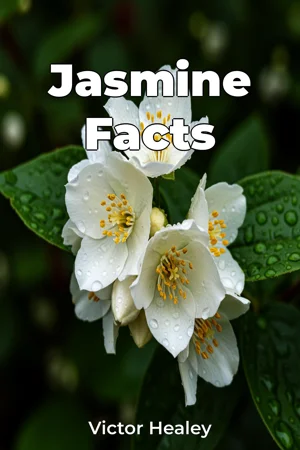
Have you ever stopped to consider the fascinating biology behind the intoxicating fragrance of jasmine? This book, "Jasmine Facts," delves into the multifaceted world of this celebrated flower, exploring its biological intricacies, its significant role in the perfume industry, and its often-overlooked medicinal applications. These aspects of jasmine intertwine to reveal a plant of considerable scientific and cultural importance, making its comprehensive study valuable to a broad readership. We will explore the botanical characteristics of jasmine, tracing its evolution and adaptation across diverse environments. This understanding is crucial as it lays the foundation for appreciating the plant's chemical composition, which is directly responsible for its distinctive scent. The history and techniques of jasmine extraction and processing will be covered, providing insights into how this delicate fragrance is captured for use in high-end perfumes. Finally, the book will examine the scientific evidence supporting jasmine's traditional medicinal uses, exploring its potential applications in modern healthcare. We will build upon existing botanical studies of jasmine, incorporating new research on its genetic makeup and its response to environmental stressors. Its chemical composition is analyzed through advanced analytical techniques, which can aid in identifying compounds with potential therapeutic value. Ethnobotanical data, gathered from diverse cultures will enrich our understanding of jasmine's traditional uses and its cultural significance. The central aim of this book is to present a balanced, evidence-based overview of jasmine, dispelling myths and highlighting its real scientific value. This is important because, despite its widespread use and cultural significance, much of the information surrounding jasmine remains anecdotal or superficial. The book is structured sequentially: first, detailed botanical information that defines the genus *Jasminum*. Second, the extraction methods for jasmine oil and its chemical analysis, which reveals its complex aromatic compounds, are described. Third, the book presents a critical review of existing research on jasmine's medicinal properties, evaluating its potential as an anti-inflammatory, antimicrobial, and anxiolytic agent. Finally, it discusses the sustainable cultivation and harvesting of jasmine. The facts presented are backed by peer-reviewed scientific literature, laboratory research, and field studies. Chemical analyses of jasmine essential oil, gene sequencing studies, and clinical trials, where available, provide a solid foundation for the book's claims. "Jasmine Facts" draws connections between several disciplines. Botany provides the foundational knowledge of the plant itself. Organic chemistry is used to understand the compounds that create its fragrance. Pharmacology is vital in assessing its medicinal properties, connecting this plant to the broader study of natural product-based drug discovery. The book distinguishes itself by providing a comprehensive, scientifically rigorous examination of jasmine, moving beyond the anecdotal and focusing on empirical evidence. It synthesizes information from diverse fields to present a holistic understanding of this important plant. The information is presented in a clear, accessible style, suitable for readers with a basic understanding of biology and chemistry. While grounded in scientific rigor, the writing avoids excessive jargon, making it comprehensible to a broad audience. The book is aimed at students of botany, pharmacology, aromatherapy, and anyone interested in the science behind natural products. It also appeals to professionals in the perfume and cosmetics industries who seek a deeper understanding of their raw materials. This book adheres to the conventions of scientific non-fiction, prioritizing accuracy, objectivity, and evidence-based reasoning. Claims are supported by citations to credible sources, and potential biases are acknowledged. While focusing on the biological, chemical, and medicinal aspects of jasmine, the book deliberately limits its exploration of the plant's cultural significance. The intent is to provide an in-depth scientific analysis rather than a broader cultural study. The knowledge within "Jasmine Facts" can be applied to the development of new fragrances, the exploration of novel medicinal compounds, and the promotion of sustainable agricultural practices. It contributes to a deeper appreciation of this fragrant bloom. The book also addresses, where applicable, the debate on the efficacy of traditional medicines and the importance of rigorous scientific validation.
Have you ever stopped to consider the fascinating biology behind the intoxicating fragrance of jasmine? This book, "Jasmine Facts," delves into the multifaceted world of this celebrated flower, exploring its biological intricacies, its significant role in the perfume industry, and its often-overlooked medicinal applications. These aspects of jasmine intertwine to reveal a plant of considerable scientific and cultural importance, making its comprehensive study valuable to a broad readership. We will explore the botanical characteristics of jasmine, tracing its evolution and adaptation across diverse environments. This understanding is crucial as it lays the foundation for appreciating the plant's chemical composition, which is directly responsible for its distinctive scent. The history and techniques of jasmine extraction and processing will be covered, providing insights into how this delicate fragrance is captured for use in high-end perfumes. Finally, the book will examine the scientific evidence supporting jasmine's traditional medicinal uses, exploring its potential applications in modern healthcare. We will build upon existing botanical studies of jasmine, incorporating new research on its genetic makeup and its response to environmental stressors. Its chemical composition is analyzed through advanced analytical techniques, which can aid in identifying compounds with potential therapeutic value. Ethnobotanical data, gathered from diverse cultures will enrich our understanding of jasmine's traditional uses and its cultural significance. The central aim of this book is to present a balanced, evidence-based overview of jasmine, dispelling myths and highlighting its real scientific value. This is important because, despite its widespread use and cultural significance, much of the information surrounding jasmine remains anecdotal or superficial. The book is structured sequentially: first, detailed botanical information that defines the genus *Jasminum*. Second, the extraction methods for jasmine oil and its chemical analysis, which reveals its complex aromatic compounds, are described. Third, the book presents a critical review of existing research on jasmine's medicinal properties, evaluating its potential as an anti-inflammatory, antimicrobial, and anxiolytic agent. Finally, it discusses the sustainable cultivation and harvesting of jasmine. The facts presented are backed by peer-reviewed scientific literature, laboratory research, and field studies. Chemical analyses of jasmine essential oil, gene sequencing studies, and clinical trials, where available, provide a solid foundation for the book's claims. "Jasmine Facts" draws connections between several disciplines. Botany provides the foundational knowledge of the plant itself. Organic chemistry is used to understand the compounds that create its fragrance. Pharmacology is vital in assessing its medicinal properties, connecting this plant to the broader study of natural product-based drug discovery. The book distinguishes itself by providing a comprehensive, scientifically rigorous examination of jasmine, moving beyond the anecdotal and focusing on empirical evidence. It synthesizes information from diverse fields to present a holistic understanding of this important plant. The information is presented in a clear, accessible style, suitable for readers with a basic understanding of biology and chemistry. While grounded in scientific rigor, the writing avoids excessive jargon, making it comprehensible to a broad audience. The book is aimed at students of botany, pharmacology, aromatherapy, and anyone interested in the science behind natural products. It also appeals to professionals in the perfume and cosmetics industries who seek a deeper understanding of their raw materials. This book adheres to the conventions of scientific non-fiction, prioritizing accuracy, objectivity, and evidence-based reasoning. Claims are supported by citations to credible sources, and potential biases are acknowledged. While focusing on the biological, chemical, and medicinal aspects of jasmine, the book deliberately limits its exploration of the plant's cultural significance. The intent is to provide an in-depth scientific analysis rather than a broader cultural study. The knowledge within "Jasmine Facts" can be applied to the development of new fragrances, the exploration of novel medicinal compounds, and the promotion of sustainable agricultural practices. It contributes to a deeper appreciation of this fragrant bloom. The book also addresses, where applicable, the debate on the efficacy of traditional medicines and the importance of rigorous scientific validation.
"Jasmine Facts" explores the science behind the celebrated jasmine flower, revealing its biological complexities, its role in the perfume industry, and its medicinal applications. The book delves into the botany of jasmine, tracing its evolution and adaptation, which is crucial for understanding its chemical makeup responsible for its distinctive scent. Interestingly, advanced chemical analysis helps identify compounds with potential therapeutic value, while ethnobotanical data enriches our understanding of its traditional uses. The book progresses sequentially, starting with botanical details, followed by extraction methods and chemical analysis of jasmine oil, revealing its aromatic compounds. It then presents a critical review of research on jasmine's medicinal properties, assessing its potential as an anti-inflammatory, antimicrobial, and anxiolytic agent. Through a clear and accessible style, "Jasmine Facts" distinguishes itself by providing a scientifically rigorous examination, moving beyond anecdotal information to focus on empirical evidence, making it valuable for students, professionals, and anyone interested in the science of natural products.
Book Details
ISBN
9788233970208
Publisher
Publifye AS
Your Licenses
You don't own any licenses for this book
Purchase a license below to unlock this book and download the EPUB.
Purchase License
Select a tier to unlock this book
Need bulk licensing?
Contact us for enterprise agreements.