
About This Book
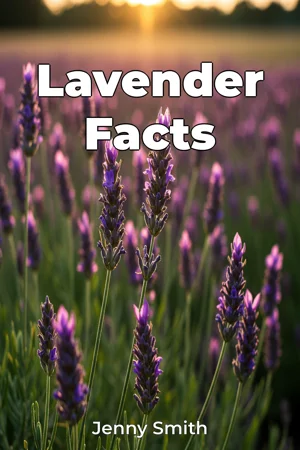
Did you know that the fragrant purple buds of lavender have been enhancing well-being for thousands of years? "Lavender Facts" delves into the multifaceted world of this remarkable plant, exploring its profound effects on relaxation, the chemistry behind its distinctive aroma, and its effectiveness as a natural insect repellent. This book aims to provide a comprehensive understanding of lavender, grounded in scientific research and historical context, revealing its diverse applications and benefits. We begin by examining lavender's role in promoting relaxation and stress reduction, a property lauded since ancient times. The book investigates the scientific basis for these effects, exploring how specific compounds in lavender interact with the nervous system to induce calmness and improve sleep quality. We will dissect numerous studies, providing readers with a clear understanding of the evidence supporting lavender's use in aromatherapy and other therapeutic applications. Understanding the chemical components and how they influence the human body is a pivotal element of this investigation. The book then transitions to an exploration of lavender's signature scent. We detail the complex composition of lavender essential oil, identifying the key aromatic compounds responsible for its distinctive fragrance. "Lavender Facts" explains how factors such as growing conditions, cultivation techniques, and extraction methods can influence the oil's chemical profile and, consequently, its aroma. This segment provides a nuanced understanding of what constitutes high-quality lavender essential oil. Finally, we will address the natural insect-repelling properties of lavender. The historical use of lavender to protect clothing and deter pests sets the stage for an examination of its effectiveness against various insects. We will explore the science behind these repellent qualities, pinpointing the specific compounds that insects find aversive. The book compares lavender's efficacy to that of conventional insecticides, offering readers an informed perspective on its potential as a natural alternative. "Lavender Facts" argues that lavender's diverse benefits are rooted in its complex chemical composition and its long history of practical applications. The book presents a synthesis of scientific research, historical accounts, and practical applications. It features a structured approach. First, it introduces fundamental concepts related to lavender's botany, chemistry, and history. The book then develops these ideas through chapters dedicated to relaxation, scent, and insect repellent qualities, each supported by scientific evidence and real-world examples. Finally, it addresses practical applications, offering guidance on incorporating lavender into daily life for improved well-being and pest management. The book draws upon a variety of data sources, including peer-reviewed scientific publications, historical texts, and analyses of lavender essential oil composition using gas chromatography-mass spectrometry (GC-MS). Our methodology emphasizes rigorous analysis and evidence-based conclusions. Beyond its primary focus, "Lavender Facts" connects to other disciplines, including aromatherapy, botany, and entomology. These interdisciplinary connections highlight the broad relevance of lavender and enrich our understanding of its properties. The book's unique approach lies in its comprehensive yet accessible presentation of scientific information, making it valuable for both enthusiasts and those seeking evidence-based information on natural remedies. Written in a clear, conversational style, "Lavender Facts" is intended for a broad audience, including those interested in natural health, aromatherapy, gardening, and sustainable pest control. The book does not require any specialized scientific knowledge, making it accessible to anyone seeking reliable information about lavender. While "Lavender Facts" covers a wide range of topics related to lavender, it intentionally limits its scope to the plant's proven benefits and applications. It does not delve into speculative claims or unsubstantiated uses. The information presented in this book can be applied practically in various ways, from using lavender essential oil for stress relief to incorporating lavender plants into gardens for natural pest control. "Lavender Facts" offers readers the knowledge and tools to harness the power of lavender in their daily lives. Furthermore, the book addresses the current debate surrounding the safety and efficacy of essential oils, including lavender oil. It acknowledges concerns about potential allergic reactions and improper use, providing readers with guidelines for safe and responsible application. In conclusion, "Lavender Facts" delivers a valuable and well-rounded exploration of this remarkable plant.
Did you know that the fragrant purple buds of lavender have been enhancing well-being for thousands of years? "Lavender Facts" delves into the multifaceted world of this remarkable plant, exploring its profound effects on relaxation, the chemistry behind its distinctive aroma, and its effectiveness as a natural insect repellent. This book aims to provide a comprehensive understanding of lavender, grounded in scientific research and historical context, revealing its diverse applications and benefits. We begin by examining lavender's role in promoting relaxation and stress reduction, a property lauded since ancient times. The book investigates the scientific basis for these effects, exploring how specific compounds in lavender interact with the nervous system to induce calmness and improve sleep quality. We will dissect numerous studies, providing readers with a clear understanding of the evidence supporting lavender's use in aromatherapy and other therapeutic applications. Understanding the chemical components and how they influence the human body is a pivotal element of this investigation. The book then transitions to an exploration of lavender's signature scent. We detail the complex composition of lavender essential oil, identifying the key aromatic compounds responsible for its distinctive fragrance. "Lavender Facts" explains how factors such as growing conditions, cultivation techniques, and extraction methods can influence the oil's chemical profile and, consequently, its aroma. This segment provides a nuanced understanding of what constitutes high-quality lavender essential oil. Finally, we will address the natural insect-repelling properties of lavender. The historical use of lavender to protect clothing and deter pests sets the stage for an examination of its effectiveness against various insects. We will explore the science behind these repellent qualities, pinpointing the specific compounds that insects find aversive. The book compares lavender's efficacy to that of conventional insecticides, offering readers an informed perspective on its potential as a natural alternative. "Lavender Facts" argues that lavender's diverse benefits are rooted in its complex chemical composition and its long history of practical applications. The book presents a synthesis of scientific research, historical accounts, and practical applications. It features a structured approach. First, it introduces fundamental concepts related to lavender's botany, chemistry, and history. The book then develops these ideas through chapters dedicated to relaxation, scent, and insect repellent qualities, each supported by scientific evidence and real-world examples. Finally, it addresses practical applications, offering guidance on incorporating lavender into daily life for improved well-being and pest management. The book draws upon a variety of data sources, including peer-reviewed scientific publications, historical texts, and analyses of lavender essential oil composition using gas chromatography-mass spectrometry (GC-MS). Our methodology emphasizes rigorous analysis and evidence-based conclusions. Beyond its primary focus, "Lavender Facts" connects to other disciplines, including aromatherapy, botany, and entomology. These interdisciplinary connections highlight the broad relevance of lavender and enrich our understanding of its properties. The book's unique approach lies in its comprehensive yet accessible presentation of scientific information, making it valuable for both enthusiasts and those seeking evidence-based information on natural remedies. Written in a clear, conversational style, "Lavender Facts" is intended for a broad audience, including those interested in natural health, aromatherapy, gardening, and sustainable pest control. The book does not require any specialized scientific knowledge, making it accessible to anyone seeking reliable information about lavender. While "Lavender Facts" covers a wide range of topics related to lavender, it intentionally limits its scope to the plant's proven benefits and applications. It does not delve into speculative claims or unsubstantiated uses. The information presented in this book can be applied practically in various ways, from using lavender essential oil for stress relief to incorporating lavender plants into gardens for natural pest control. "Lavender Facts" offers readers the knowledge and tools to harness the power of lavender in their daily lives. Furthermore, the book addresses the current debate surrounding the safety and efficacy of essential oils, including lavender oil. It acknowledges concerns about potential allergic reactions and improper use, providing readers with guidelines for safe and responsible application. In conclusion, "Lavender Facts" delivers a valuable and well-rounded exploration of this remarkable plant.
"Lavender Facts" explores the remarkable world of lavender, revealing its historical uses and scientifically-backed benefits. From ancient times, lavender has been valued for its relaxing properties, and the book investigates how specific compounds in lavender interact with the nervous system to induce calmness and improve sleep quality. The book also delves into lavender's effectiveness as a natural insect repellent, examining the specific compounds that insects find aversive and comparing its efficacy to conventional insecticides. The book takes a structured approach, beginning with lavender's botany, chemistry, and history, and progressing through dedicated chapters on relaxation, scent, and insect repellent qualities. The unique aroma of lavender is also investigated, detailing the complex composition of lavender essential oil and how growing conditions can influence its chemical profile. This comprehensive approach makes "Lavender Facts" valuable for those interested in natural health, aromatherapy, gardening, and sustainable pest control.
Book Details
ISBN
9788233970185
Publisher
Publifye AS
Your Licenses
You don't own any licenses for this book
Purchase a license below to unlock this book and download the EPUB.
Purchase License
Select a tier to unlock this book
Need bulk licensing?
Contact us for enterprise agreements.