
About This Book
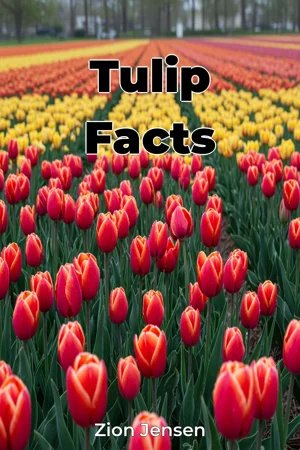
Did you know that a single tulip bulb was once worth more than a house? "Tulip Facts" delves into the multifaceted world of this iconic flower, exploring not only its biological characteristics but also its surprising economic history and seasonal blooming cycle. This book provides a comprehensive understanding of the tulip, weaving together insights from botany, economics, and horticultural science. The core of this book centers on three primary topics: the tulip's diverse biology, including its genetic variations and vibrant color spectrum; the fascinating history of "Tulip Mania" and its impact on economic thought; and the detailed science behind cultivating tulips, from bulb selection to bloom optimization. Understanding these areas is crucial for anyone interested in plant science, economic history, or simply appreciating the beauty and complexity of the natural world. We provide historical context by examining the tulip's origins in Central Asia and its subsequent spread throughout Europe, with a particular focus on the Dutch Golden Age. Readers will gain valuable prerequisite knowledge in basic botany and understand key economic concepts like supply and demand. The book argues that the tulip serves as a unique lens through which to examine the interconnectedness of science, economics, and culture. It demonstrates how a single species can simultaneously be a subject of scientific study, a driver of economic speculation, and a symbol of cultural significance. "Tulip Facts" is structured to guide the reader through a logical progression of knowledge. First, we introduce the botanical characteristics of the tulip, explaining its growth cycle, genetic diversity, and the science behind its various colors and forms. Next, we delve into the history of "Tulip Mania," analyzing the economic factors that led to the speculative bubble and its eventual burst. This section includes analysis of primary source documents from the period. Finally, the book explores modern tulip cultivation techniques, providing practical guidance for growers and enthusiasts. The culmination of the argument connects these seemingly disparate fields, illustrating how understanding the biology of the tulip informs our understanding of its economic and cultural significance, and vice versa. The evidence presented in "Tulip Facts" is drawn from a variety of sources, including botanical research papers, historical economic records, and horticultural studies. Unique data sources include digitized archival documents from the Dutch Golden Age and contemporary horticultural databases. This interdisciplinary approach allows us to connect the life sciences with economics and history, revealing the complex relationship between natural phenomena and human activity. For example, genetic research on tulip pigmentation connects directly to the historical demand for specific, rare colors during the tulip craze. This book adopts a fact-based tone, presenting information in a clear, concise, and accessible style. It is aimed at a broad audience, including students of biology and economics, gardening enthusiasts, and anyone interested in the history of science and finance. Readers will find value in the book's comprehensive coverage, interdisciplinary approach, and practical insights. While "Tulip Facts" aims to provide a thorough overview of the tulip, its scope is intentionally limited to the areas of biology, economics, and cultivation. The book does not delve deeply into the cultural symbolism of the tulip in art and literature, although these aspects are touched upon where relevant. The information presented throughout the book can be applied practically by gardeners seeking to optimize their tulip cultivation techniques. The book addresses some ongoing debates within the horticultural community regarding the best methods for preventing tulip diseases and maximizing bulb propagation. By presenting evidence-based recommendations, "Tulip Facts" aims to inform and contribute to these discussions.
Did you know that a single tulip bulb was once worth more than a house? "Tulip Facts" delves into the multifaceted world of this iconic flower, exploring not only its biological characteristics but also its surprising economic history and seasonal blooming cycle. This book provides a comprehensive understanding of the tulip, weaving together insights from botany, economics, and horticultural science. The core of this book centers on three primary topics: the tulip's diverse biology, including its genetic variations and vibrant color spectrum; the fascinating history of "Tulip Mania" and its impact on economic thought; and the detailed science behind cultivating tulips, from bulb selection to bloom optimization. Understanding these areas is crucial for anyone interested in plant science, economic history, or simply appreciating the beauty and complexity of the natural world. We provide historical context by examining the tulip's origins in Central Asia and its subsequent spread throughout Europe, with a particular focus on the Dutch Golden Age. Readers will gain valuable prerequisite knowledge in basic botany and understand key economic concepts like supply and demand. The book argues that the tulip serves as a unique lens through which to examine the interconnectedness of science, economics, and culture. It demonstrates how a single species can simultaneously be a subject of scientific study, a driver of economic speculation, and a symbol of cultural significance. "Tulip Facts" is structured to guide the reader through a logical progression of knowledge. First, we introduce the botanical characteristics of the tulip, explaining its growth cycle, genetic diversity, and the science behind its various colors and forms. Next, we delve into the history of "Tulip Mania," analyzing the economic factors that led to the speculative bubble and its eventual burst. This section includes analysis of primary source documents from the period. Finally, the book explores modern tulip cultivation techniques, providing practical guidance for growers and enthusiasts. The culmination of the argument connects these seemingly disparate fields, illustrating how understanding the biology of the tulip informs our understanding of its economic and cultural significance, and vice versa. The evidence presented in "Tulip Facts" is drawn from a variety of sources, including botanical research papers, historical economic records, and horticultural studies. Unique data sources include digitized archival documents from the Dutch Golden Age and contemporary horticultural databases. This interdisciplinary approach allows us to connect the life sciences with economics and history, revealing the complex relationship between natural phenomena and human activity. For example, genetic research on tulip pigmentation connects directly to the historical demand for specific, rare colors during the tulip craze. This book adopts a fact-based tone, presenting information in a clear, concise, and accessible style. It is aimed at a broad audience, including students of biology and economics, gardening enthusiasts, and anyone interested in the history of science and finance. Readers will find value in the book's comprehensive coverage, interdisciplinary approach, and practical insights. While "Tulip Facts" aims to provide a thorough overview of the tulip, its scope is intentionally limited to the areas of biology, economics, and cultivation. The book does not delve deeply into the cultural symbolism of the tulip in art and literature, although these aspects are touched upon where relevant. The information presented throughout the book can be applied practically by gardeners seeking to optimize their tulip cultivation techniques. The book addresses some ongoing debates within the horticultural community regarding the best methods for preventing tulip diseases and maximizing bulb propagation. By presenting evidence-based recommendations, "Tulip Facts" aims to inform and contribute to these discussions.
"Tulip Facts" explores the world of tulips, connecting biology, economics, and horticulture. It reveals how a single flower became a cultural icon and an object of intense economic speculation. Readers will discover that tulips boast surprising genetic diversity, leading to a wide array of colors and forms, and that during the Dutch Golden Age, single bulbs commanded prices exceeding those of houses. The book delves into the infamous "Tulip Mania," dissecting the economic factors that fueled this speculative bubble. It also details the science behind cultivating tulips, guiding readers from bulb selection to achieving optimal blooms. Each chapter builds upon the last, starting with the tulip's botanical characteristics, then moving into its historical economic impact, and culminating in modern cultivation techniques. This approach emphasizes the interconnectedness of science, economics and culture. The book's unique value lies in its interdisciplinary approach, drawing from botanical research, economic records, and horticultural studies to present a comprehensive understanding of the tulip. It illustrates how the study of plant science and life sciences can inform our understanding of economic history and cultural phenomena.
Book Details
ISBN
9788233970130
Publisher
Publifye AS
Your Licenses
You don't own any licenses for this book
Purchase a license below to unlock this book and download the EPUB.
Purchase License
Select a tier to unlock this book
Need bulk licensing?
Contact us for enterprise agreements.