
About This Book
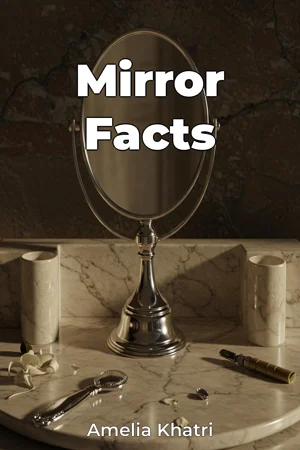
Have you ever stopped to consider the profound science and rich history behind something as commonplace as a mirror? "Mirror Facts" delves into the captivating world of mirrors, exploring not only the scientific principles governing their reflective properties but also their cultural and societal impact across millennia. This book aims to illuminate the multifaceted nature of mirrors, revealing them as far more than simple tools for self-reflection. The book is structured around three core themes: the physics of reflection, the evolution of mirror technology, and the cultural symbolism associated with mirrors throughout history. Understanding how mirrors reflect light is fundamental to comprehending their function and capabilities. We will examine the laws of reflection, the electromagnetic spectrum, and the properties of different reflective surfaces. The historical trajectory of mirrors, from rudimentary polished stones to modern chemically coated glass, illustrates human ingenuity and technological advancement. Finally, we will explore the diverse ways mirrors have been perceived and utilized in art, mythology, literature, and psychology, demonstrating their enduring influence on human thought and expression. The central argument of "Mirror Facts" is that mirrors, as both scientific instruments and cultural artifacts, offer a unique lens through which to understand the interplay between science, technology, and human perception. This argument is crucial because it highlights the interconnectedness of seemingly disparate fields, demonstrating how scientific principles can inform cultural practices and vice versa. The book unfolds in a logical progression, beginning with an accessible explanation of the physics of light and reflection. We then embark on a chronological journey through the history of mirrors, tracing their development from ancient civilizations to the present day. This historical overview encompasses technological innovations, such as the discovery of glassblowing and the development of silvering techniques. The book culminates in an exploration of the symbolic significance of mirrors in various cultural contexts, incorporating examples from art, literature, and folklore. The evidence presented in "Mirror Facts" draws from a diverse range of sources, including scientific studies, archaeological findings, historical records, and literary analyses. We examine the work of physicists, historians, and cultural theorists to provide a comprehensive and nuanced understanding of mirrors. The book benefits from analyses of ancient texts referencing early mirror usage as well as modern material science research. "Mirror Facts" also connects with other fields of study, such as optics, material science, psychology, and art history. The connection to optics is apparent, as mirrors are fundamentally optical devices. Material science informs our understanding of the materials used in mirror construction and their reflective properties. Psychology explores the psychological effects of mirrors on self-perception and identity. Art history provides insights into the use of mirrors in artistic expression. This book sets itself apart by adopting a holistic approach that integrates scientific, historical, and cultural perspectives. It is aimed toward a general audience with an interest in science, history, and culture. It offers valuable insights for anyone curious about the hidden stories behind everyday objects. As a non-fiction work, "Mirror Facts" adheres to the conventions of accuracy, clarity, and objectivity. While the book covers a broad range of topics, it intentionally limits its scope to the history and science directly related to physical mirrors, excluding more abstract concepts like "mirror neurons" or metaphorical uses of the term "mirror." The information presented in "Mirror Facts" has real-world applications in fields such as optical engineering, interior design, and even forensic science (e.g., the use of mirrors in surveillance). While the science of reflection is well-established, ongoing debates exist regarding the interpretation of mirror symbolism in different cultures. "Mirror Facts" acknowledges these debates and presents multiple perspectives, encouraging readers to critically evaluate the evidence and form their own conclusions.
Have you ever stopped to consider the profound science and rich history behind something as commonplace as a mirror? "Mirror Facts" delves into the captivating world of mirrors, exploring not only the scientific principles governing their reflective properties but also their cultural and societal impact across millennia. This book aims to illuminate the multifaceted nature of mirrors, revealing them as far more than simple tools for self-reflection. The book is structured around three core themes: the physics of reflection, the evolution of mirror technology, and the cultural symbolism associated with mirrors throughout history. Understanding how mirrors reflect light is fundamental to comprehending their function and capabilities. We will examine the laws of reflection, the electromagnetic spectrum, and the properties of different reflective surfaces. The historical trajectory of mirrors, from rudimentary polished stones to modern chemically coated glass, illustrates human ingenuity and technological advancement. Finally, we will explore the diverse ways mirrors have been perceived and utilized in art, mythology, literature, and psychology, demonstrating their enduring influence on human thought and expression. The central argument of "Mirror Facts" is that mirrors, as both scientific instruments and cultural artifacts, offer a unique lens through which to understand the interplay between science, technology, and human perception. This argument is crucial because it highlights the interconnectedness of seemingly disparate fields, demonstrating how scientific principles can inform cultural practices and vice versa. The book unfolds in a logical progression, beginning with an accessible explanation of the physics of light and reflection. We then embark on a chronological journey through the history of mirrors, tracing their development from ancient civilizations to the present day. This historical overview encompasses technological innovations, such as the discovery of glassblowing and the development of silvering techniques. The book culminates in an exploration of the symbolic significance of mirrors in various cultural contexts, incorporating examples from art, literature, and folklore. The evidence presented in "Mirror Facts" draws from a diverse range of sources, including scientific studies, archaeological findings, historical records, and literary analyses. We examine the work of physicists, historians, and cultural theorists to provide a comprehensive and nuanced understanding of mirrors. The book benefits from analyses of ancient texts referencing early mirror usage as well as modern material science research. "Mirror Facts" also connects with other fields of study, such as optics, material science, psychology, and art history. The connection to optics is apparent, as mirrors are fundamentally optical devices. Material science informs our understanding of the materials used in mirror construction and their reflective properties. Psychology explores the psychological effects of mirrors on self-perception and identity. Art history provides insights into the use of mirrors in artistic expression. This book sets itself apart by adopting a holistic approach that integrates scientific, historical, and cultural perspectives. It is aimed toward a general audience with an interest in science, history, and culture. It offers valuable insights for anyone curious about the hidden stories behind everyday objects. As a non-fiction work, "Mirror Facts" adheres to the conventions of accuracy, clarity, and objectivity. While the book covers a broad range of topics, it intentionally limits its scope to the history and science directly related to physical mirrors, excluding more abstract concepts like "mirror neurons" or metaphorical uses of the term "mirror." The information presented in "Mirror Facts" has real-world applications in fields such as optical engineering, interior design, and even forensic science (e.g., the use of mirrors in surveillance). While the science of reflection is well-established, ongoing debates exist regarding the interpretation of mirror symbolism in different cultures. "Mirror Facts" acknowledges these debates and presents multiple perspectives, encouraging readers to critically evaluate the evidence and form their own conclusions.
"Mirror Facts" explores the surprising intersection of science, history, and culture found in the everyday object of the mirror. It examines not only the physics of how mirrors reflect light, based on principles of optics and material science, but also how mirror technology has evolved from early polished stones found in archaeological findings to the high-tech reflective surfaces we use today. Did you know that the development of silvering techniques was a pivotal moment in creating clearer, more effective mirrors? The book traces a logical progression, starting with the fundamental laws of reflection and then moving through a chronological history of mirrors across civilizations. It shows how these reflective surfaces have been imbued with cultural symbolism, appearing in art, literature, and even mythology. Exploring this cultural symbolism highlights the fascinating ways different societies view mirrors, from tools for self-reflection to portals in folklore. "Mirror Facts" takes a unique approach by blending scientific accuracy with historical context and cultural insights. By connecting optics, material science, and art history, the book offers a comprehensive view that will appeal to anyone curious about the hidden stories behind common objects.
Book Details
ISBN
9788233969912
Publisher
Publifye AS
Your Licenses
You don't own any licenses for this book
Purchase a license below to unlock this book and download the EPUB.
Purchase License
Select a tier to unlock this book
Need bulk licensing?
Contact us for enterprise agreements.