
About This Book
Have you ever wondered what forces of nature create the spectacular, sky-high eruptions of geysers? "Geyser Facts" delves into the fascinating world of these geothermal wonders, exploring their formation, global distribution, and the intricate processes that power their intermittent displays of boiling water and steam. This book aims to provide a comprehensive understanding of geysers, bridging the gap between basic curiosity and scientific knowledge. We will explore the earth science behind geyser activity, highlighting the geological conditions necessary for their existence, including specific volcanic activity and groundwater systems. Understanding these conditions is crucial as it reveals the delicate balance that allows geysers to form. We will also examine the geographic distribution globally, from the well-known examples in Yellowstone National Park to the lesser-known geyser fields in Iceland, New Zealand, and Russia. Understanding their locations allows for a broader comprehension of geothermal activity across our planet. The central argument of "Geyser Facts" is that geysers are complex, dynamic systems that offer a unique window into Earth’s internal processes. By studying geysers, we gain valuable insights into geothermal energy, hydrology, and even the potential for life in extreme environments. This understanding is particularly relevant today as we seek sustainable energy solutions and explore the limits of habitability on Earth and beyond. The book is structured to guide the reader through a progressively detailed exploration of geysers. It begins with an introduction to basic geothermal principles, explaining how heat from the Earth's interior interacts with groundwater. The subsequent chapters then detail the specific geological formations required for geyser development, focusing on the roles of magma chambers, hydrothermal conduits, and silica deposits (geyserite). We explore the eruption dynamics, detailing the stages of a geyser cycle, from the initial heating to the climactic eruption and subsequent recharge. We present mathematical models for predicting eruption intervals and heights. The book culminates with a discussion of the environmental significance of geysers, covering topics such as geothermal energy production, tourism impacts, and the unique ecosystems that thrive in geyser environments. "Geyser Facts" supports its arguments with a variety of evidence, including geological surveys, thermal imaging data, and geochemical analyses of geyser water. We also draw upon historical records and eyewitness accounts of geyser eruptions to illustrate the dynamic nature of these systems. Many diagrams and charts are presented to make the content clear to a broad audience. The study of geysers has interdisciplinary connections. Firstly, links to volcanology are inevitable because geothermal activity and volcanic activity have some overlap. Secondly, environmental science plays a role in understanding the environmental impact of geothermal energy production. Thirdly, astrobiology contributes insights into extreme life and this discipline benefits from knowledge of geyser formations. This book takes a holistic approach, combining geological, hydrological, and biological perspectives to provide a complete picture of geyser systems. This approach allows us to move beyond simple descriptions of geyser phenomena and delve into the underlying mechanisms that drive their behavior. Written in an accessible style, "Geyser Facts" is targeted at individuals who are interested in Earth Sciences and want to learn more about geysers, including students, nature enthusiasts, and anyone curious about the natural world. The book avoids technical jargon, making complex concepts understandable to a broad audience. As a work of non-fiction, "Geyser Facts" adheres to the conventions of scientific accuracy and objectivity. All claims are supported by evidence, and sources are clearly cited. The scope of the book is limited to terrestrial geysers. While there may be discussion of cryogeysers, the primary focus remains on those driven by geothermal processes. Geysers can be applied to geothermal power generation, offering a potential source of clean, sustainable energy. Understanding geyser dynamics can improve the efficiency and sustainability of geothermal power plants. Currently, there are ongoing debates about the long-term impacts of geothermal energy extraction on geyser activity. The book addresses these controversies, presenting different viewpoints and discussing the need for responsible resource management to protect these natural wonders for future generations.
Have you ever wondered what forces of nature create the spectacular, sky-high eruptions of geysers? "Geyser Facts" delves into the fascinating world of these geothermal wonders, exploring their formation, global distribution, and the intricate processes that power their intermittent displays of boiling water and steam. This book aims to provide a comprehensive understanding of geysers, bridging the gap between basic curiosity and scientific knowledge. We will explore the earth science behind geyser activity, highlighting the geological conditions necessary for their existence, including specific volcanic activity and groundwater systems. Understanding these conditions is crucial as it reveals the delicate balance that allows geysers to form. We will also examine the geographic distribution globally, from the well-known examples in Yellowstone National Park to the lesser-known geyser fields in Iceland, New Zealand, and Russia. Understanding their locations allows for a broader comprehension of geothermal activity across our planet. The central argument of "Geyser Facts" is that geysers are complex, dynamic systems that offer a unique window into Earth’s internal processes. By studying geysers, we gain valuable insights into geothermal energy, hydrology, and even the potential for life in extreme environments. This understanding is particularly relevant today as we seek sustainable energy solutions and explore the limits of habitability on Earth and beyond. The book is structured to guide the reader through a progressively detailed exploration of geysers. It begins with an introduction to basic geothermal principles, explaining how heat from the Earth's interior interacts with groundwater. The subsequent chapters then detail the specific geological formations required for geyser development, focusing on the roles of magma chambers, hydrothermal conduits, and silica deposits (geyserite). We explore the eruption dynamics, detailing the stages of a geyser cycle, from the initial heating to the climactic eruption and subsequent recharge. We present mathematical models for predicting eruption intervals and heights. The book culminates with a discussion of the environmental significance of geysers, covering topics such as geothermal energy production, tourism impacts, and the unique ecosystems that thrive in geyser environments. "Geyser Facts" supports its arguments with a variety of evidence, including geological surveys, thermal imaging data, and geochemical analyses of geyser water. We also draw upon historical records and eyewitness accounts of geyser eruptions to illustrate the dynamic nature of these systems. Many diagrams and charts are presented to make the content clear to a broad audience. The study of geysers has interdisciplinary connections. Firstly, links to volcanology are inevitable because geothermal activity and volcanic activity have some overlap. Secondly, environmental science plays a role in understanding the environmental impact of geothermal energy production. Thirdly, astrobiology contributes insights into extreme life and this discipline benefits from knowledge of geyser formations. This book takes a holistic approach, combining geological, hydrological, and biological perspectives to provide a complete picture of geyser systems. This approach allows us to move beyond simple descriptions of geyser phenomena and delve into the underlying mechanisms that drive their behavior. Written in an accessible style, "Geyser Facts" is targeted at individuals who are interested in Earth Sciences and want to learn more about geysers, including students, nature enthusiasts, and anyone curious about the natural world. The book avoids technical jargon, making complex concepts understandable to a broad audience. As a work of non-fiction, "Geyser Facts" adheres to the conventions of scientific accuracy and objectivity. All claims are supported by evidence, and sources are clearly cited. The scope of the book is limited to terrestrial geysers. While there may be discussion of cryogeysers, the primary focus remains on those driven by geothermal processes. Geysers can be applied to geothermal power generation, offering a potential source of clean, sustainable energy. Understanding geyser dynamics can improve the efficiency and sustainability of geothermal power plants. Currently, there are ongoing debates about the long-term impacts of geothermal energy extraction on geyser activity. The book addresses these controversies, presenting different viewpoints and discussing the need for responsible resource management to protect these natural wonders for future generations.
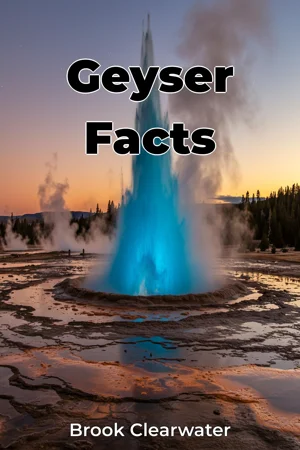
"Geyser Facts" explores the captivating world of geysers, offering insights into their formation, global distribution, and the science behind their eruptions. These geothermal wonders are more than just spectacles; they're dynamic systems providing a window into Earth's internal processes. The book uncovers the geological necessities for geyser formation, such as specific volcanic activity and groundwater systems, highlighting the delicate balance required for their existence. Readers will discover how geysers are distributed across the globe, from Yellowstone National Park to Iceland and New Zealand. The book progresses from basic geothermal principles to detailed explanations of geyser development, exploring the roles of magma chambers and silica deposits (geyserite). It then delves into eruption dynamics, presenting models for predicting eruption intervals. Through geological surveys, thermal data, and historical accounts, "Geyser Facts" connects geysers to geothermal energy, hydrology, and even astrobiology, making it valuable for anyone interested in Earth Sciences. The book adopts a holistic approach, blending geological, hydrological, and biological perspectives. It also addresses debates surrounding geothermal energy extraction and its impact on geyser activity, advocating for responsible resource management. This comprehensive exploration makes complex concepts accessible, appealing to students and nature enthusiasts alike.
Book Details
ISBN
9788233969899
Publisher
Publifye AS
Your Licenses
You don't own any licenses for this book
Purchase a license below to unlock this book and download the EPUB.
Purchase License
Select a tier to unlock this book
Need bulk licensing?
Contact us for enterprise agreements.