
About This Book
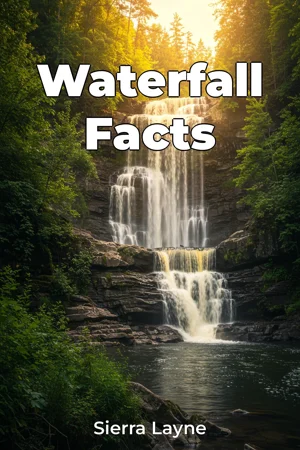
Have you ever felt dwarfed by the sheer force of nature embodied in a waterfall? "Waterfall Facts" explores these dynamic natural wonders, dissecting their formation, power, and role in shaping landscapes across the globe. This book delves into the science, geography, and enduring allure of waterfalls, offering a comprehensive understanding of these captivating features of our planet. Waterfalls are more than just scenic attractions; they are powerful agents of erosion and vital components of river systems. Understanding their mechanics illuminates broader geological processes and highlights the interconnectedness of Earth's ecosystems. The book's central argument is that waterfalls are complex systems that reflect the dynamic interplay between geological forces, climate, and the hydrological cycle. By examining specific examples, the reader will appreciate how waterfalls act as both destructive and creative forces, shaping the world around them. "Waterfall Facts" begins with an exploration of the geological processes that give rise to waterfalls, detailing the various rock formations, fault lines, and glacial activities that contribute to their creation. The book then moves into an examination of the hydraulic forces involved, explaining how water volume, velocity, and the angle of descent determine the erosive power of a waterfall. A significant portion of the book is dedicated to profiling some of the world's most iconic waterfalls, such as Niagara Falls, Victoria Falls, and Iguazu Falls, examining their unique geological settings and the impact they have on surrounding environments. Finally, it discusses human interaction with waterfalls, from hydroelectric power generation to tourism and conservation efforts. The evidence presented in "Waterfall Facts" is drawn from a wide array of sources, including geological surveys, hydrological studies, and climate data. The book incorporates data from governmental agencies, academic research institutions, and environmental organizations, offering a well-rounded and evidence-based analysis. The study of waterfalls naturally intersects with fields such as geology, hydrology, and ecology. The book also delves into engineering through analysis of dam construction and the effect of such activity on the natural waterfall condition. This book takes a scientific approach to the subject matter, presenting factual information. The information is written to be accessible, bridging the gap between technical jargon and general understanding. The target audience includes students of geography, earth sciences, and environmental studies, as well as nature enthusiasts, travelers, and anyone curious about the world around them. Those actively involved in conservation or working in national parks or other waterfall-adjacent locations may also benefit from this book. While "Waterfall Facts" provides a global overview of waterfalls, it focuses primarily on well-documented examples. The book acknowledges the limitations of available data for certain regions and refrains from making sweeping generalizations about all waterfalls. The knowledge gained from this book can be applied in various practical ways. For example, understanding the erosive power of waterfalls is crucial for managing erosion in river systems and protecting infrastructure near waterfalls. The book provides information relevant to environmental impact assessments, land use planning, and sustainable tourism development.
Have you ever felt dwarfed by the sheer force of nature embodied in a waterfall? "Waterfall Facts" explores these dynamic natural wonders, dissecting their formation, power, and role in shaping landscapes across the globe. This book delves into the science, geography, and enduring allure of waterfalls, offering a comprehensive understanding of these captivating features of our planet. Waterfalls are more than just scenic attractions; they are powerful agents of erosion and vital components of river systems. Understanding their mechanics illuminates broader geological processes and highlights the interconnectedness of Earth's ecosystems. The book's central argument is that waterfalls are complex systems that reflect the dynamic interplay between geological forces, climate, and the hydrological cycle. By examining specific examples, the reader will appreciate how waterfalls act as both destructive and creative forces, shaping the world around them. "Waterfall Facts" begins with an exploration of the geological processes that give rise to waterfalls, detailing the various rock formations, fault lines, and glacial activities that contribute to their creation. The book then moves into an examination of the hydraulic forces involved, explaining how water volume, velocity, and the angle of descent determine the erosive power of a waterfall. A significant portion of the book is dedicated to profiling some of the world's most iconic waterfalls, such as Niagara Falls, Victoria Falls, and Iguazu Falls, examining their unique geological settings and the impact they have on surrounding environments. Finally, it discusses human interaction with waterfalls, from hydroelectric power generation to tourism and conservation efforts. The evidence presented in "Waterfall Facts" is drawn from a wide array of sources, including geological surveys, hydrological studies, and climate data. The book incorporates data from governmental agencies, academic research institutions, and environmental organizations, offering a well-rounded and evidence-based analysis. The study of waterfalls naturally intersects with fields such as geology, hydrology, and ecology. The book also delves into engineering through analysis of dam construction and the effect of such activity on the natural waterfall condition. This book takes a scientific approach to the subject matter, presenting factual information. The information is written to be accessible, bridging the gap between technical jargon and general understanding. The target audience includes students of geography, earth sciences, and environmental studies, as well as nature enthusiasts, travelers, and anyone curious about the world around them. Those actively involved in conservation or working in national parks or other waterfall-adjacent locations may also benefit from this book. While "Waterfall Facts" provides a global overview of waterfalls, it focuses primarily on well-documented examples. The book acknowledges the limitations of available data for certain regions and refrains from making sweeping generalizations about all waterfalls. The knowledge gained from this book can be applied in various practical ways. For example, understanding the erosive power of waterfalls is crucial for managing erosion in river systems and protecting infrastructure near waterfalls. The book provides information relevant to environmental impact assessments, land use planning, and sustainable tourism development.
"Waterfall Facts" explores the captivating world of waterfalls, examining their formation, geological impact, and significance within Earth's broader river systems and environmental science. These natural wonders aren't just scenic; they are powerful agents of erosion, carving landscapes over millennia. For example, the book details how the immense power of waterfalls like Niagara Falls shapes the surrounding geography through constant erosion and hydrological processes. The book progresses from examining the geological processes that birth waterfalls, such as fault lines and glacial activity, to analyzing the hydraulic forces that dictate their erosive power. It also dives into specific examples, including Victoria Falls and Iguazu Falls, highlighting their unique geological settings. This approach helps readers understand how waterfalls reflect the dynamic interplay between geological forces, climate, and the hydrological cycle, emphasizing their role as both destructive and creative forces in nature.
Book Details
ISBN
9788233969882
Publisher
Publifye AS
Your Licenses
You don't own any licenses for this book
Purchase a license below to unlock this book and download the EPUB.
Purchase License
Select a tier to unlock this book
Need bulk licensing?
Contact us for enterprise agreements.