
About This Book
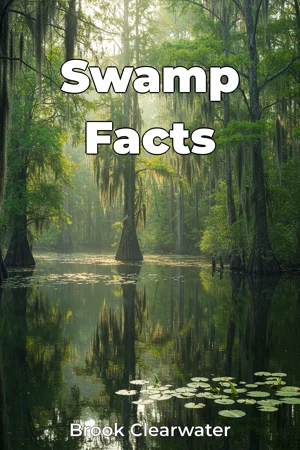
Have you ever considered the vital role seemingly desolate swamps play in the health of our planet? "Swamp Facts" delves into the often-misunderstood world of swamps, revealing their ecological significance, the diversity of life they harbor, and the crucial services they provide to both local ecosystems and the global environment. This book is essential reading for anyone seeking a deeper understanding of these critical habitats and their importance in an era of increasing environmental awareness. This book primarily focuses on three key aspects of swamps. First, we explore the complex ecological functions of swamps, examining how they act as natural filters, flood regulators, and carbon sinks. Second, we investigate the diverse array of flora and fauna that have uniquely adapted to thrive in these challenging environments. This includes detailed descriptions of various plant species, insects, amphibians, reptiles, birds, and mammals, highlighting their interdependencies and specific roles within the swamp ecosystem. Finally, we analyze the threats facing swamps today due to human activities, such as drainage for agriculture and development, pollution, and climate change, and what steps can be taken to protect and restore these valuable ecosystems. Understanding swamps requires a basic understanding of ecological principles, such as nutrient cycling, food webs, and the concept of biodiversity. We provide the necessary background information in the initial chapters, ensuring that readers of all levels can grasp the complex dynamics at play. At its core, "Swamp Facts" argues that swamps are not wastelands, but rather crucial components of a healthy planet that merit our understanding and protection. This argument is vital because the continued destruction and degradation of swamps have far-reaching consequences, impacting water quality, biodiversity, and climate stability. The book begins by introducing general concepts of swamp ecology, formation, and global distribution. It then moves into specific case studies of different swamp types, such as mangrove swamps, freshwater marshes, and peat bogs. These case studies illustrate the unique characteristics of each swamp type and the specific challenges they face. We will explore topics like: a) The hydrological processes that define swamp environments. b) The adaptations of plant and animal life to waterlogged soils and fluctuating water levels. c) The role of swamps in mitigating climate change through carbon sequestration. The book culminates with a discussion of conservation strategies and policy recommendations for protecting swamps, emphasizing the need for sustainable management and community involvement. The evidence presented in "Swamp Facts" is drawn from a wide range of scientific sources, including peer-reviewed research articles, government reports, and field studies. We incorporate data from long-term ecological monitoring programs, as well as the findings of individual researchers working in swamp ecosystems around the world. The study of swamps naturally connects to several other fields. Hydrology is essential for understanding the water dynamics. Climatology is important for grasping the role of swamps in carbon cycling and their response to climate change. Environmental policy is crucial for implementing effective conservation strategies. These connections underscore the interdisciplinary nature of swamp ecology and the need for a holistic approach to their management. "Swamp Facts" stands out by integrating scientific rigor with an accessible writing style, making complex ecological concepts understandable to a broad audience. We combine detailed scientific information with captivating real-world examples and compelling storytelling, creating a book that is both informative and engaging. The target audience includes students, environmental professionals, policymakers, and anyone interested in learning more about the natural world. This book is valuable because it provides a comprehensive and up-to-date overview of swamp ecology, conservation, and management. As a fact-based, non-fiction book within the 'Nature, Science Life Sciences, Biology' genres, "Swamp Facts" adheres to the conventions of scientific accuracy, objectivity, and evidence-based reasoning. We provide clear citations for all sources and present information in an unbiased and balanced manner. The scope of "Swamp Facts" encompasses a global perspective, examining swamps from various regions and climates. However, the book acknowledges that certain aspects of swamp ecology, such as the specific species compositions of different swamp types, may vary regionally. The book does not delve into the cultural or historical significance of swamps in different societies. The information presented in "Swamp Facts" has numerous real-world applications. It can inform conservation planning, guide restoration efforts, and improve our understanding of the impacts of human activities on wetland ecosystems. Additionally, it can be used to educate the public about the importance of swamps and to promote responsible environmental stewardship. While the ecological importance of swamps is widely recognized, there are ongoing debates about the best ways to manage and restore these ecosystems. For example, there is considerable discussion about the role of prescribed burns in maintaining swamp health. The book addresses these controversies, presenting different perspectives and highlighting the uncertainties that remain.
Have you ever considered the vital role seemingly desolate swamps play in the health of our planet? "Swamp Facts" delves into the often-misunderstood world of swamps, revealing their ecological significance, the diversity of life they harbor, and the crucial services they provide to both local ecosystems and the global environment. This book is essential reading for anyone seeking a deeper understanding of these critical habitats and their importance in an era of increasing environmental awareness. This book primarily focuses on three key aspects of swamps. First, we explore the complex ecological functions of swamps, examining how they act as natural filters, flood regulators, and carbon sinks. Second, we investigate the diverse array of flora and fauna that have uniquely adapted to thrive in these challenging environments. This includes detailed descriptions of various plant species, insects, amphibians, reptiles, birds, and mammals, highlighting their interdependencies and specific roles within the swamp ecosystem. Finally, we analyze the threats facing swamps today due to human activities, such as drainage for agriculture and development, pollution, and climate change, and what steps can be taken to protect and restore these valuable ecosystems. Understanding swamps requires a basic understanding of ecological principles, such as nutrient cycling, food webs, and the concept of biodiversity. We provide the necessary background information in the initial chapters, ensuring that readers of all levels can grasp the complex dynamics at play. At its core, "Swamp Facts" argues that swamps are not wastelands, but rather crucial components of a healthy planet that merit our understanding and protection. This argument is vital because the continued destruction and degradation of swamps have far-reaching consequences, impacting water quality, biodiversity, and climate stability. The book begins by introducing general concepts of swamp ecology, formation, and global distribution. It then moves into specific case studies of different swamp types, such as mangrove swamps, freshwater marshes, and peat bogs. These case studies illustrate the unique characteristics of each swamp type and the specific challenges they face. We will explore topics like: a) The hydrological processes that define swamp environments. b) The adaptations of plant and animal life to waterlogged soils and fluctuating water levels. c) The role of swamps in mitigating climate change through carbon sequestration. The book culminates with a discussion of conservation strategies and policy recommendations for protecting swamps, emphasizing the need for sustainable management and community involvement. The evidence presented in "Swamp Facts" is drawn from a wide range of scientific sources, including peer-reviewed research articles, government reports, and field studies. We incorporate data from long-term ecological monitoring programs, as well as the findings of individual researchers working in swamp ecosystems around the world. The study of swamps naturally connects to several other fields. Hydrology is essential for understanding the water dynamics. Climatology is important for grasping the role of swamps in carbon cycling and their response to climate change. Environmental policy is crucial for implementing effective conservation strategies. These connections underscore the interdisciplinary nature of swamp ecology and the need for a holistic approach to their management. "Swamp Facts" stands out by integrating scientific rigor with an accessible writing style, making complex ecological concepts understandable to a broad audience. We combine detailed scientific information with captivating real-world examples and compelling storytelling, creating a book that is both informative and engaging. The target audience includes students, environmental professionals, policymakers, and anyone interested in learning more about the natural world. This book is valuable because it provides a comprehensive and up-to-date overview of swamp ecology, conservation, and management. As a fact-based, non-fiction book within the 'Nature, Science Life Sciences, Biology' genres, "Swamp Facts" adheres to the conventions of scientific accuracy, objectivity, and evidence-based reasoning. We provide clear citations for all sources and present information in an unbiased and balanced manner. The scope of "Swamp Facts" encompasses a global perspective, examining swamps from various regions and climates. However, the book acknowledges that certain aspects of swamp ecology, such as the specific species compositions of different swamp types, may vary regionally. The book does not delve into the cultural or historical significance of swamps in different societies. The information presented in "Swamp Facts" has numerous real-world applications. It can inform conservation planning, guide restoration efforts, and improve our understanding of the impacts of human activities on wetland ecosystems. Additionally, it can be used to educate the public about the importance of swamps and to promote responsible environmental stewardship. While the ecological importance of swamps is widely recognized, there are ongoing debates about the best ways to manage and restore these ecosystems. For example, there is considerable discussion about the role of prescribed burns in maintaining swamp health. The book addresses these controversies, presenting different perspectives and highlighting the uncertainties that remain.
"Swamp Facts" illuminates the crucial, yet often undervalued, role of swamps in our planet's health. This book explores swamp ecology, revealing how these wetland ecosystems function as natural filters, removing pollutants and improving water quality, and as vital flood regulators, absorbing excess water to protect surrounding areas. Swamps also excel at carbon sequestration, storing vast amounts of carbon and helping to mitigate climate change. The book showcases the astounding biodiversity found within swamps, from specialized plant species adapted to waterlogged soils to a diverse range of animals, including insects, amphibians, reptiles, birds, and mammals. It highlights how these species are interconnected and play specific roles in maintaining the delicate balance of the swamp ecosystem. By introducing foundational ecological principles and then delving into specific case studies, the book progresses from general concepts to detailed examples of different swamp types, such as mangrove swamps and freshwater marshes, emphasizing conservation strategies for these invaluable habitats.
Book Details
ISBN
9788233969868
Publisher
Publifye AS
Your Licenses
You don't own any licenses for this book
Purchase a license below to unlock this book and download the EPUB.
Purchase License
Select a tier to unlock this book
Need bulk licensing?
Contact us for enterprise agreements.