
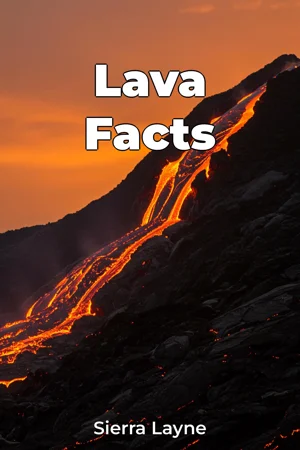
About This Book
Have you ever wondered what powers the Earth's most dramatic displays of natural force: volcanoes? "Lava Facts" delves into the heart of volcanology, offering a comprehensive exploration of lava's diverse forms, the mechanics of volcanic eruptions, and their transformative effects on our planet's surface. These topics are crucial for understanding not only the geological processes shaping our world but also the hazards and opportunities associated with volcanic activity. This book provides essential context by examining the historical record of volcanic events and their profound impacts on human societies. Readers will gain a basic understanding of plate tectonics and magma formation, which serve as the foundation for comprehending volcanic phenomena. The central argument of "Lava Facts" is that a thorough understanding of lava and volcanic processes is essential for effective hazard mitigation, resource management, and a broader appreciation of Earth's dynamic nature. This argument is vital because volcanic eruptions pose significant risks to human lives and infrastructure, while also creating fertile lands and valuable mineral deposits. The book is structured to systematically build the reader's knowledge. It begins with an introduction to the fundamental properties of lava, including variations in composition, viscosity, and temperature. Subsequent sections explore the different types of volcanic eruptions, from effusive lava flows to explosive pyroclastic events. The book then examines the diverse landforms created by volcanic activity, such as shield volcanoes, stratovolcanoes, and calderas. It culminates with a discussion of the practical implications of volcanology, including volcanic hazard assessment, geothermal energy production, and the formation of economically important mineral resources. To support its arguments, "Lava Facts" draws upon a wide range of evidence, including geological surveys, remote sensing data, laboratory analyses of volcanic rocks, and case studies of historical eruptions. The book also incorporates data from volcano observatories worldwide, providing readers with access to the latest research and monitoring techniques. "Lava Facts" bridges the gap between geology, geography, and environmental science. It also establishes connections with fields like materials science and engineering, particularly in the context of utilizing volcanic materials and mitigating volcanic hazards. Furthermore, the book touches upon the societal impact of volcanic events, linking to historical studies of volcanic activity. This book takes a comprehensive approach by integrating observations, data analysis, and modeling to provide a holistic understanding of volcanic processes. It emphasizes the interplay between internal Earth processes and surface phenomena. Written in a clear and accessible style, "Lava Facts" is designed for a broad audience. It will appeal to students, educators, science enthusiasts, and anyone interested in learning more about volcanoes and their impact on our planet. The book provides a valuable resource for introductory geology courses and is also suitable for self-study. As a work of non-fiction, "Lava Facts" upholds the genre's commitment to accuracy, objectivity, and evidence-based reasoning. It aims to provide a reliable and informative resource, grounded in current scientific understanding. The book's scope is intentionally broad, covering a wide range of volcanic phenomena and their associated impacts. However, it focuses primarily on lava and eruptions and does not delve extensively into the deep Earth processes that drive volcanism. Readers will discover practical applications for the knowledge presented, such as understanding volcanic hazard maps, assessing the potential for geothermal energy development, and appreciating the role of volcanoes in shaping landscapes. "Lava Facts" also addresses ongoing debates within the field of volcanology, such as the relative importance of different eruption triggers and the long-term impacts of volcanic activity on climate and ecosystems. By presenting diverse perspectives, the book encourages readers to think critically about the complexities of volcanic phenomena.
Have you ever wondered what powers the Earth's most dramatic displays of natural force: volcanoes? "Lava Facts" delves into the heart of volcanology, offering a comprehensive exploration of lava's diverse forms, the mechanics of volcanic eruptions, and their transformative effects on our planet's surface. These topics are crucial for understanding not only the geological processes shaping our world but also the hazards and opportunities associated with volcanic activity. This book provides essential context by examining the historical record of volcanic events and their profound impacts on human societies. Readers will gain a basic understanding of plate tectonics and magma formation, which serve as the foundation for comprehending volcanic phenomena. The central argument of "Lava Facts" is that a thorough understanding of lava and volcanic processes is essential for effective hazard mitigation, resource management, and a broader appreciation of Earth's dynamic nature. This argument is vital because volcanic eruptions pose significant risks to human lives and infrastructure, while also creating fertile lands and valuable mineral deposits. The book is structured to systematically build the reader's knowledge. It begins with an introduction to the fundamental properties of lava, including variations in composition, viscosity, and temperature. Subsequent sections explore the different types of volcanic eruptions, from effusive lava flows to explosive pyroclastic events. The book then examines the diverse landforms created by volcanic activity, such as shield volcanoes, stratovolcanoes, and calderas. It culminates with a discussion of the practical implications of volcanology, including volcanic hazard assessment, geothermal energy production, and the formation of economically important mineral resources. To support its arguments, "Lava Facts" draws upon a wide range of evidence, including geological surveys, remote sensing data, laboratory analyses of volcanic rocks, and case studies of historical eruptions. The book also incorporates data from volcano observatories worldwide, providing readers with access to the latest research and monitoring techniques. "Lava Facts" bridges the gap between geology, geography, and environmental science. It also establishes connections with fields like materials science and engineering, particularly in the context of utilizing volcanic materials and mitigating volcanic hazards. Furthermore, the book touches upon the societal impact of volcanic events, linking to historical studies of volcanic activity. This book takes a comprehensive approach by integrating observations, data analysis, and modeling to provide a holistic understanding of volcanic processes. It emphasizes the interplay between internal Earth processes and surface phenomena. Written in a clear and accessible style, "Lava Facts" is designed for a broad audience. It will appeal to students, educators, science enthusiasts, and anyone interested in learning more about volcanoes and their impact on our planet. The book provides a valuable resource for introductory geology courses and is also suitable for self-study. As a work of non-fiction, "Lava Facts" upholds the genre's commitment to accuracy, objectivity, and evidence-based reasoning. It aims to provide a reliable and informative resource, grounded in current scientific understanding. The book's scope is intentionally broad, covering a wide range of volcanic phenomena and their associated impacts. However, it focuses primarily on lava and eruptions and does not delve extensively into the deep Earth processes that drive volcanism. Readers will discover practical applications for the knowledge presented, such as understanding volcanic hazard maps, assessing the potential for geothermal energy development, and appreciating the role of volcanoes in shaping landscapes. "Lava Facts" also addresses ongoing debates within the field of volcanology, such as the relative importance of different eruption triggers and the long-term impacts of volcanic activity on climate and ecosystems. By presenting diverse perspectives, the book encourages readers to think critically about the complexities of volcanic phenomena.
"Lava Facts" explores the fascinating world of volcanoes, offering insights into lava's diverse forms and the mechanics of volcanic eruptions. From understanding how plate tectonics and magma formation contribute to volcanic activity, to assessing the risks and opportunities presented by these geological forces, this book provides a comprehensive overview. Did you know that volcanic eruptions not only pose significant hazards but also create fertile lands and valuable mineral deposits? The book examines the historical impact of volcanic events on societies and how understanding them is crucial for effective hazard mitigation. This book systematically builds your knowledge, starting with the properties of lava and progressing to the different types of volcanic eruptions and landforms they create, such as shield volcanoes and calderas. By integrating observations, data analysis, and case studies of historical eruptions, "Lava Facts" bridges geology, geography, and environmental science. It also touches upon the societal impact of volcanic events and ongoing debates within volcanology, such as eruption triggers and the long-term effects on climate. Discover how volcanoes contribute to geothermal energy and shape our planet's landscapes, making this book a valuable resource for anyone interested in Earth science and natural disasters.
Book Details
ISBN
9788233969820
Publisher
Publifye AS
Your Licenses
You don't own any licenses for this book
Purchase a license below to unlock this book and download the EPUB.
Purchase License
Select a tier to unlock this book
Need bulk licensing?
Contact us for enterprise agreements.