
About This Book
Imagine a world beneath the waves, a realm of silent hunters and technological marvels. This is the world of submarines, deep-sea exploration, and military underwater technology, a world this book, *Submarine Facts*, aims to illuminate. The history of submarines, deep-sea exploration tools, and the development of military underwater technology are critical because they represent significant achievements in engineering, strategic military advancements, and our ongoing quest to understand and conquer the ocean depths. This exploration demonstrates human ingenuity, ambition, and the ever-present drive to push the boundaries of what's possible. *Submarine Facts* explores the evolution of underwater vessels from early, often-fantastical concepts, to the sophisticated nuclear-powered submarines of today. It details how submarines shifted from being experimental curiosities to essential components of naval power, impacting global military strategies and international relations. The book delves into the technological innovations that have made deep-sea exploration feasible, enhancing our understanding of marine ecosystems, geology, and the potential resources hidden beneath the ocean floor. The central argument of this book is that the development of submarines and underwater technology has been a continuous cycle of innovation driven by both military necessity and scientific curiosity. These advancements, initially sparked by warfare, have transitioned into tools for exploration, research, and resource management, profoundly shaping our understanding of the planet. *Submarine Facts* opens with the earliest concepts and prototypes of submersibles before moving into the major advancements throughout the 19th and 20th centuries, driven by naval conflict and competition. It dedicates specific sections to the evolution of submarine technologies and their impact on naval strategy, the exploration of the deep sea, and the evolution of military technologies. The book features a study of specific submarines, like the USS Nautilus and the H. L. Hunley, and significant missions. The ideas culminate in a discussion of current trends in submarine design, autonomous underwater vehicles, and the ethical considerations surrounding underwater technology. The final section considers the future of ocean exploration, the potential for resource extraction, and the ongoing arms race beneath the sea. Evidence presented in *Submarine Facts* will include historical documents, technical specifications, battle reports, and firsthand accounts from submariners and engineers. The book draws on declassified military records, historical archives, and published scientific research related to oceanography and marine technology. To ensure accuracy and technical depth, it analyzes engineering plans, patent filings, and academic studies on materials science, propulsion systems, and underwater communication. In addition, the book features photographs and diagrams of submarines and underwater technologies. The content intersects with several other fields. The history of submarines is inextricably linked to military history and geopolitical strategy. The engineering and design aspects connect to materials science, mechanical engineering, and naval architecture. Deep-sea exploration ties into oceanography, marine biology, and environmental science. This book employs a fact-based, analytical approach, presenting information in a clear and accessible manner. The writing style avoids jargon whenever possible, prioritizing clarity and accuracy. The target audience includes military history enthusiasts, technology buffs, naval professionals, and anyone interested in the history and science behind the ocean's silent realm. Readers will find value in the book's detailed historical accounts, technical explanations, and insights into the strategic implications of submarine warfare. As a work of military and technological history, *Submarine Facts* adheres to standards of accuracy, objectivity, and thorough research. It presents diverse perspectives on controversial events and technologies. The scope of this book focuses on the evolution of submarine technology, its military applications, and its role in deep-sea exploration. While touching on related fields, the book does not delve deeply into specific scientific theories or naval doctrines. The information provides insight into potential career paths in naval engineering, oceanography, or marine technology. Furthermore, it offers a historical understanding of the technologies that shape modern maritime security and environmental monitoring. While *Submarine Facts* endeavors to present a comprehensive overview, it acknowledges that certain aspects of submarine technology and military operations remain classified or subject to ongoing debate. The book strives to present a balanced perspective on these potentially controversial topics, acknowledging the diverse viewpoints and ethical considerations involved.
Imagine a world beneath the waves, a realm of silent hunters and technological marvels. This is the world of submarines, deep-sea exploration, and military underwater technology, a world this book, *Submarine Facts*, aims to illuminate. The history of submarines, deep-sea exploration tools, and the development of military underwater technology are critical because they represent significant achievements in engineering, strategic military advancements, and our ongoing quest to understand and conquer the ocean depths. This exploration demonstrates human ingenuity, ambition, and the ever-present drive to push the boundaries of what's possible. *Submarine Facts* explores the evolution of underwater vessels from early, often-fantastical concepts, to the sophisticated nuclear-powered submarines of today. It details how submarines shifted from being experimental curiosities to essential components of naval power, impacting global military strategies and international relations. The book delves into the technological innovations that have made deep-sea exploration feasible, enhancing our understanding of marine ecosystems, geology, and the potential resources hidden beneath the ocean floor. The central argument of this book is that the development of submarines and underwater technology has been a continuous cycle of innovation driven by both military necessity and scientific curiosity. These advancements, initially sparked by warfare, have transitioned into tools for exploration, research, and resource management, profoundly shaping our understanding of the planet. *Submarine Facts* opens with the earliest concepts and prototypes of submersibles before moving into the major advancements throughout the 19th and 20th centuries, driven by naval conflict and competition. It dedicates specific sections to the evolution of submarine technologies and their impact on naval strategy, the exploration of the deep sea, and the evolution of military technologies. The book features a study of specific submarines, like the USS Nautilus and the H. L. Hunley, and significant missions. The ideas culminate in a discussion of current trends in submarine design, autonomous underwater vehicles, and the ethical considerations surrounding underwater technology. The final section considers the future of ocean exploration, the potential for resource extraction, and the ongoing arms race beneath the sea. Evidence presented in *Submarine Facts* will include historical documents, technical specifications, battle reports, and firsthand accounts from submariners and engineers. The book draws on declassified military records, historical archives, and published scientific research related to oceanography and marine technology. To ensure accuracy and technical depth, it analyzes engineering plans, patent filings, and academic studies on materials science, propulsion systems, and underwater communication. In addition, the book features photographs and diagrams of submarines and underwater technologies. The content intersects with several other fields. The history of submarines is inextricably linked to military history and geopolitical strategy. The engineering and design aspects connect to materials science, mechanical engineering, and naval architecture. Deep-sea exploration ties into oceanography, marine biology, and environmental science. This book employs a fact-based, analytical approach, presenting information in a clear and accessible manner. The writing style avoids jargon whenever possible, prioritizing clarity and accuracy. The target audience includes military history enthusiasts, technology buffs, naval professionals, and anyone interested in the history and science behind the ocean's silent realm. Readers will find value in the book's detailed historical accounts, technical explanations, and insights into the strategic implications of submarine warfare. As a work of military and technological history, *Submarine Facts* adheres to standards of accuracy, objectivity, and thorough research. It presents diverse perspectives on controversial events and technologies. The scope of this book focuses on the evolution of submarine technology, its military applications, and its role in deep-sea exploration. While touching on related fields, the book does not delve deeply into specific scientific theories or naval doctrines. The information provides insight into potential career paths in naval engineering, oceanography, or marine technology. Furthermore, it offers a historical understanding of the technologies that shape modern maritime security and environmental monitoring. While *Submarine Facts* endeavors to present a comprehensive overview, it acknowledges that certain aspects of submarine technology and military operations remain classified or subject to ongoing debate. The book strives to present a balanced perspective on these potentially controversial topics, acknowledging the diverse viewpoints and ethical considerations involved.
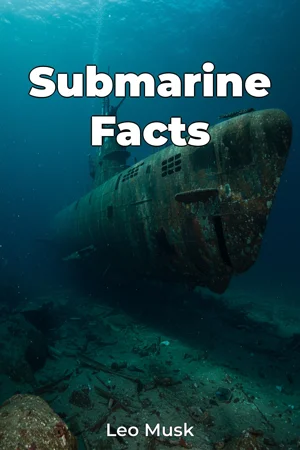
*Submarine Facts* delves into the captivating world of submarines, exploring their evolution from early prototypes to today's advanced vessels. This book highlights how submarines have transformed from mere curiosities to essential components of naval power, significantly impacting military strategies, and enabling deep-sea exploration. Submarines have allowed us to understand marine ecosystems and geology, pushing the boundaries of what is possible beneath the waves. The book traces the fascinating history of submarines, detailing the technological innovations driven by military necessity and scientific curiosity. For example, the development of nuclear-powered submarines, like the USS Nautilus, revolutionized underwater endurance and operational capabilities. The book also examines the impact of submarines on naval warfare, including their use in strategic missions. Beginning with early submersible concepts, the book progresses through major advancements in the 19th and 20th centuries, driven by naval conflict. It concludes with a discussion of current trends, such as autonomous underwater vehicles, while also addressing the ethical considerations surrounding underwater technology and the future of ocean exploration.
Book Details
ISBN
9788233969745
Publisher
Publifye AS
Your Licenses
You don't own any licenses for this book
Purchase a license below to unlock this book and download the EPUB.
Purchase License
Select a tier to unlock this book
Need bulk licensing?
Contact us for enterprise agreements.